
MP soybean price above MSP: farmers sell to traders, skip Bhavantar
 By Rohit SharmaMarkets Analyst, Peepals Business
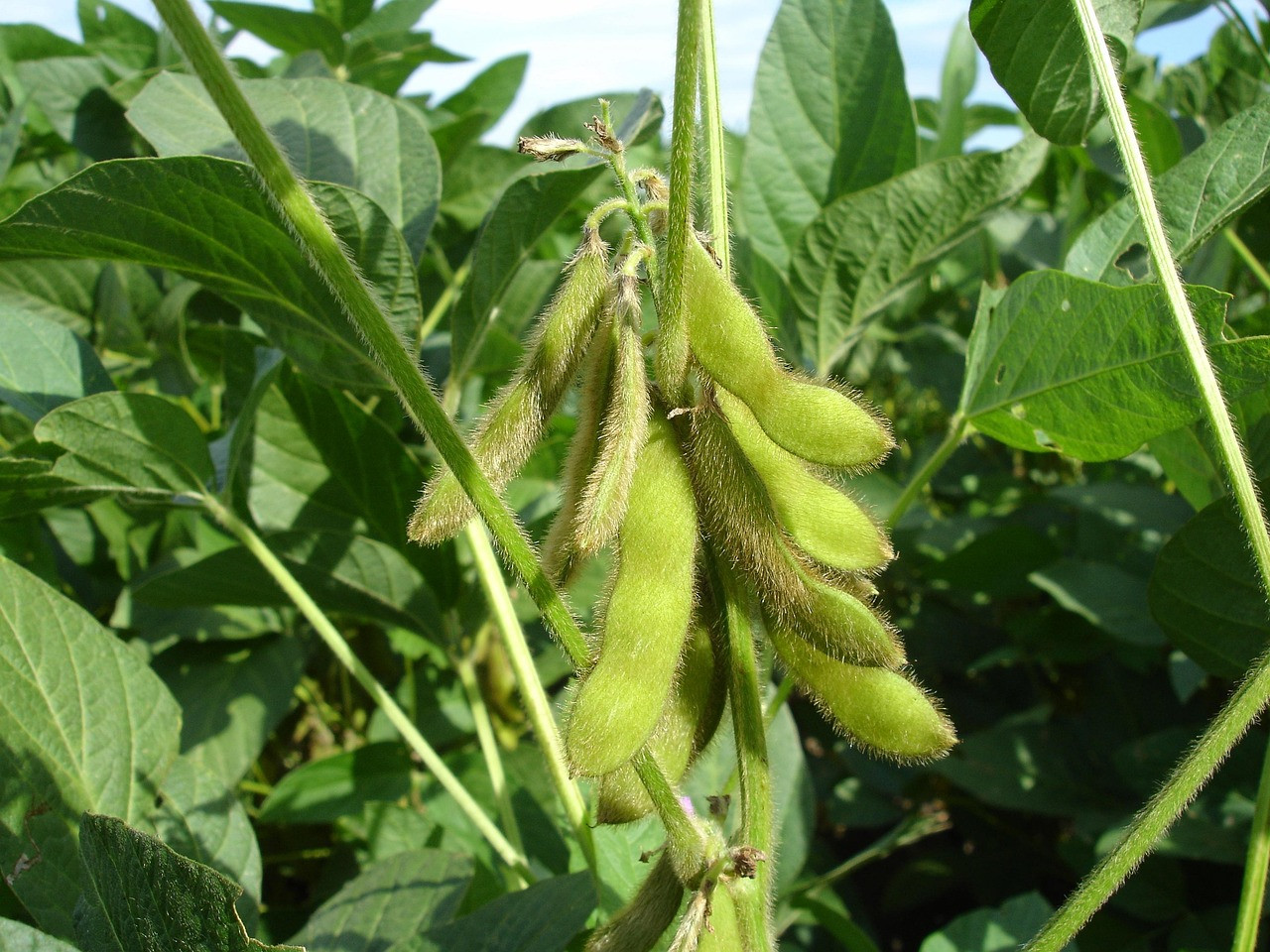
Representative image: jcesar2015 / Pixabay
Soybean fetched Rs 6,700 to Rs 7,300 a quintal in MP mandis in early November 2026, above the Rs 5,708 MSP, so farmers are skipping the Bhavantar scheme.
What Happened
Soybean prices in Madhya Pradesh's mandis have risen above the minimum support price (MSP) for the 2026-27 season, and many farmers are selling directly to private traders instead of relying on the state's Bhavantar price-difference scheme, according to reports from the state in the first week of November 2026. Modal prices on Wednesday, 4 November 2026, were about Rs 6,700 to Rs 6,955 a quintal in the Bhopal, Indore, Sehore and Dewas mandis, against an MSP of Rs 5,708. At Biaora mandi, the mandi secretary put open-market prices at about Rs 7,300 a quintal.
Key Facts
- MSP for yellow soybean for 2026-27: Rs 5,708 a quintal, according to reports.
- Modal mandi prices on 4 November 2026: about Rs 6,700 to Rs 6,955 a quintal in Bhopal, Indore, Sehore and Dewas, according to mandi data cited in reports.
- Biaora mandi: open-market price of about Rs 7,300 a quintal, according to the mandi secretary.
- The Bhavantar scheme pays farmers the gap between a model rate and the MSP only when they sell below the MSP, so with prices above it there is little to claim.
- Registration for Bhavantar for 2026-27 ran from 3 October to 24 October 2026, and reports say far fewer farmers signed up than before.
- Reports link the price rise to a smaller crop elsewhere: the processors' association estimates national output will fall by about 2%, with Maharashtra's crop down by nearly a third, while Madhya Pradesh's crop is projected to grow by about 32%.
- In the 2025-26 season, the MSP was Rs 5,328 a quintal, and the state's model rate under Bhavantar was around Rs 4,000 to Rs 4,300.
Why It Matters
Madhya Pradesh is one of India's largest soybean-growing states, and soybean is the main kharif cash crop for many of its farmers. Last year the picture was very different: mandi prices sat well below the MSP, and the state used the Bhavantar scheme to pay farmers part of the difference. This year, mandi prices are above the MSP, which means farmers can earn more by selling in the open market straight away.
The Bhavantar Bhugtan Yojana, a price deficiency payment scheme, was designed for years when market prices fall below the support price. Instead of the government buying the crop, the farmer sells to traders and the state pays the gap between the MSP and an average market rate. When prices are high, the scheme becomes almost unnecessary, which explains why fewer farmers registered for it this season.
For farmers, higher prices mean better returns and quicker payment, since private traders pay at the time of sale while government payments can take weeks. For soybean processors and oil mills, higher raw material costs can squeeze margins and may push up the price of soybean meal and edible oil. The national picture matters too: a weaker crop in Maharashtra has tightened supply, lifting prices across markets.
There are still risks. Prices can fall if more crop arrives in mandis than traders expect, and farmers who did not register for Bhavantar will have no price support if that happens before they sell.
Peepals calculation: The Biaora price of about Rs 7,300 a quintal is about 28% above the 2026-27 MSP of Rs 5,708 (7,300 ÷ 5,708 ≈ 1.28). The 4 November modal prices of Rs 6,700 to Rs 6,955 are about 17% to 22% above the MSP. The MSP itself is Rs 380, or about 7.1%, higher than last season's Rs 5,328. Our calculation from the reported figures.
| Item | Price per quintal |
|---|---|
| MSP, 2026-27 | Rs 5,708 |
| MSP, 2025-26 | Rs 5,328 |
| Modal mandi price, Bhopal, Indore, Sehore, Dewas (4 November 2026) | About Rs 6,700 to Rs 6,955 |
| Open-market price at Biaora mandi | About Rs 7,300 |
Impact
Short-term: Farmers in Madhya Pradesh are getting prices above the MSP and are selling to private traders, so state spending under Bhavantar this season is likely to be much lower than last year.
Long-term: If national output does fall as estimated, prices may stay firm through the season, but a large arrival of crop in Madhya Pradesh could soften them. The experience may shape how the state designs and promotes price support in future seasons.
Who is affected: Soybean farmers in Madhya Pradesh, mandi traders, soybean processors and oil mills, buyers of soybean meal and edible oil, and the state government's agriculture budget.
Key Takeaway
Madhya Pradesh soybean prices of about Rs 6,700 to Rs 7,300 a quintal in early November 2026 are well above the Rs 5,708 MSP, so farmers are selling to private traders and largely skipping the Bhavantar scheme.
Questions and Answers
What is the soybean MSP for 2026-27?
According to reports, the minimum support price for yellow soybean for the 2026-27 season is Rs 5,708 a quintal, up from Rs 5,328 in 2025-26.
What are soybean mandi prices in Madhya Pradesh now?
On 4 November 2026, modal prices were about Rs 6,700 to Rs 6,955 a quintal in Bhopal, Indore, Sehore and Dewas, and the Biaora mandi secretary put open-market prices at about Rs 7,300.
Why are farmers skipping the Bhavantar scheme?
Bhavantar pays the difference only when a farmer sells below the MSP. With market prices above the MSP, there is little to claim, so farmers prefer to sell to private traders at higher prices and get paid immediately.
Why have soybean prices risen this season?
Reports link the rise to a smaller national crop, with the processors' association estimating output down about 2% and Maharashtra's crop down by nearly a third.
Disclaimer: Prepared by the Peepals newsroom from publicly available sources with AI assistance. Information is accurate to the best of our knowledge at the time of publication and may change. Images may be representative. Not professional advice. Report an error via our contact page.
By Rohit Sharma, Markets AnalystCovers Markets Watch and more for Peepals Business. All stories by Rohit Sharma
MakeMyTrip India IPO: SEBI clears MMT India's offer for sale
IAG share price: British Airways owner cuts 2026 capacity as fuel bites
Get the day's stories in your inbox
Peepals Weekly: the week decoded, free. One email a week, unsubscribe in one click.
Rohit Sharma is a pen name of the Peepals Global Editorial Team, which researches, fact-checks and publishes every story. The portrait is an illustration.