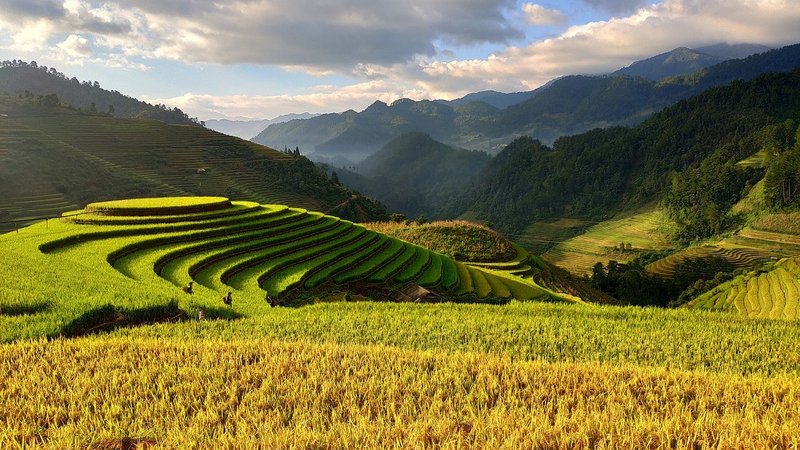

Tripura spends Rs 461.83 crore to upgrade 204 farm markets; 117 projects still on
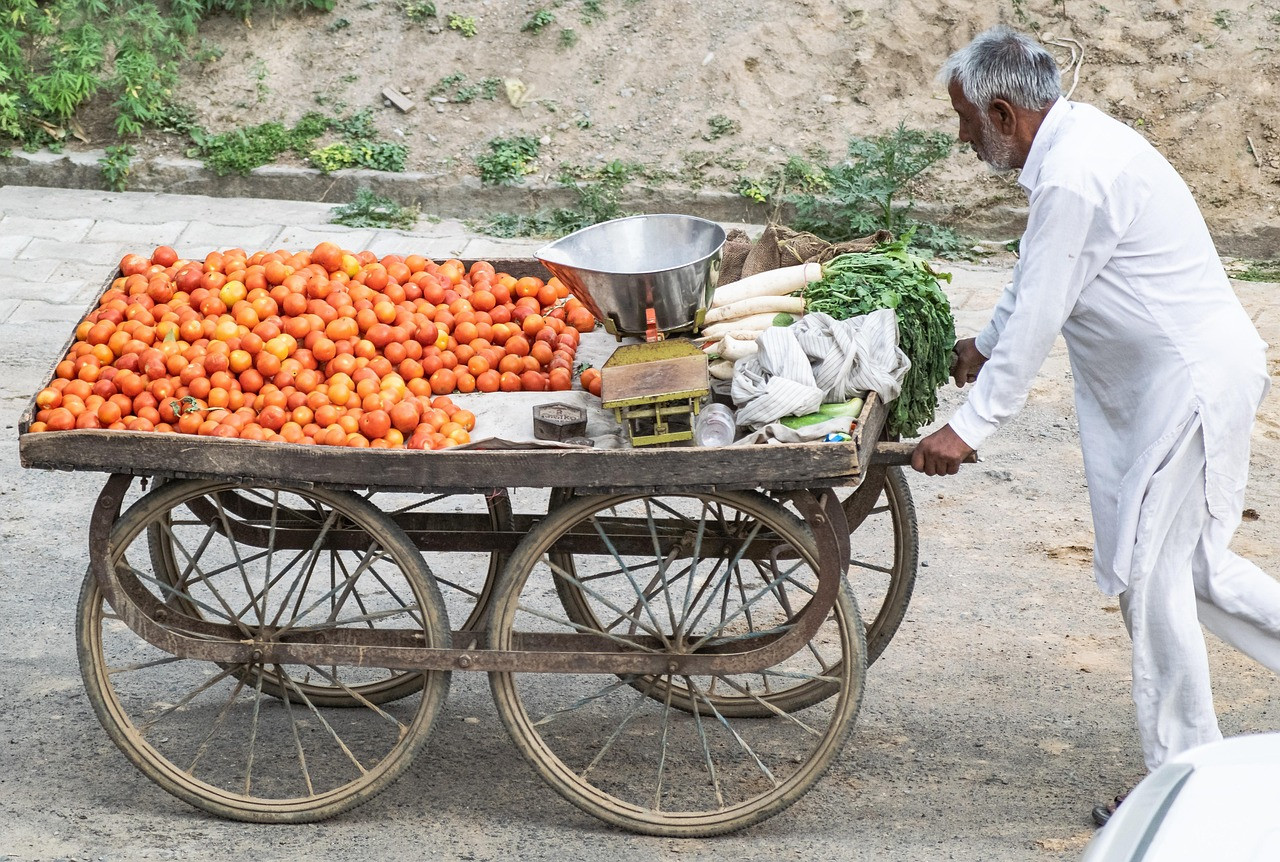
Representative image: balouriarajesh / Pixabay
Tripura has spent Rs 461.83 crore since 2018-19 upgrading 204 of its 554 farm markets, Agriculture Minister Ratan Lal Nath said; 87 projects are complete.
What Happened
Tripura has spent Rs 461.83 crore since 2018-19 on improving infrastructure at 204 agricultural markets, the state's Agriculture and Farmers' Welfare Minister Ratan Lal Nath said in remarks reported on 11 October 2026. The work, carried out between 2018-19 and 2025-26, aims to give farmers better access to markets and help them get better prices for their produce. Of the 204 projects, 87 have been completed and work on the remaining 117 is under way, the minister said. The state has 554 agricultural markets in all.
Key Facts
- Spending: Rs 461.83 crore on market infrastructure between 2018-19 and 2025-26.
- Markets covered: 204 of Tripura's 554 agricultural markets.
- Progress: 87 projects completed, 117 under way.
- Facilities: market sheds and stalls, toilets, drinking water and drainage.
- Earlier period: the minister said 71 market development projects were taken up between 2013 and 2017 with an allocation of Rs 20.26 crore; another report gives Rs 20.60 crore over 2011 to 2018.
- Stated aim: better market access and fairer prices for farmers.
Why It Matters
For small farmers, the local market is where a season's work turns into income. Where a market has no shelter, clean water or drainage, produce can spoil faster and buyers may stay away, leaving farmers under pressure to sell quickly. Covered sheds, proper stalls and basic sanitation change that by making markets usable in all weather and more attractive to buyers.
Tripura's numbers show a sharp increase in spending on this basic infrastructure. Even allowing for the differences in how the earlier figures are reported, the amount invested since 2018-19 is many times higher than in the previous period, and covers nearly three times as many projects. If the remaining 117 projects are completed, more than a third of the state's 554 markets will have received upgrades.
The impact will depend on how well the new facilities are maintained and used. Markets need regular cleaning, working water supply and fair management to keep farmers and traders coming. Better infrastructure also works best alongside other support, such as storage, transport links and price information, so that farmers can choose when and where to sell.
For rural households that depend on farming, improvements at village and block-level markets can make a practical difference to incomes.
| Measure | Figure |
|---|---|
| Investment, 2018-19 to 2025-26 | Rs 461.83 crore |
| Markets covered | 204 |
| Projects completed | 87 |
| Projects under way | 117 |
| Total markets in Tripura | 554 |
Impact
Short-term: Farmers and traders at the 87 completed markets already have better facilities, while those at the other 117 sites wait for work to finish.
Long-term: Upgraded markets could help farmers sell more of their produce locally at better prices, reduce waste and support rural livelihoods across the state.
Who is affected: Farmers and horticulture growers in Tripura, local traders and buyers, market committees, and rural consumers.
Key Takeaway
Tripura says it has invested Rs 461.83 crore since 2018-19 to upgrade 204 of its 554 farm markets, with 87 projects done and 117 in progress.
Questions and Answers
How much has Tripura spent on agricultural markets?
Rs 461.83 crore between 2018-19 and 2025-26, covering 204 markets, according to Agriculture Minister Ratan Lal Nath.
How many of these projects are finished?
87 projects have been completed and 117 are still under way.
What facilities are being built?
Market sheds and stalls, toilets, drinking water and drainage systems.
How does this compare with earlier spending?
The minister said 71 projects worth about Rs 20 crore were taken up in the earlier period, though reports differ slightly on the exact amount and years.
Disclaimer: Prepared by the Peepals newsroom from publicly available sources with AI assistance. Information is accurate to the best of our knowledge at the time of publication and may change. Images may be representative. Not professional advice. Report an error via our contact page.
Sourced and fact-checked by the Peepals Global Editorial Team
Reported, fact-checked and published by the Peepals Global Editorial Team.