
Inflation for farm and rural workers rises above 6%, outpacing headline CPI
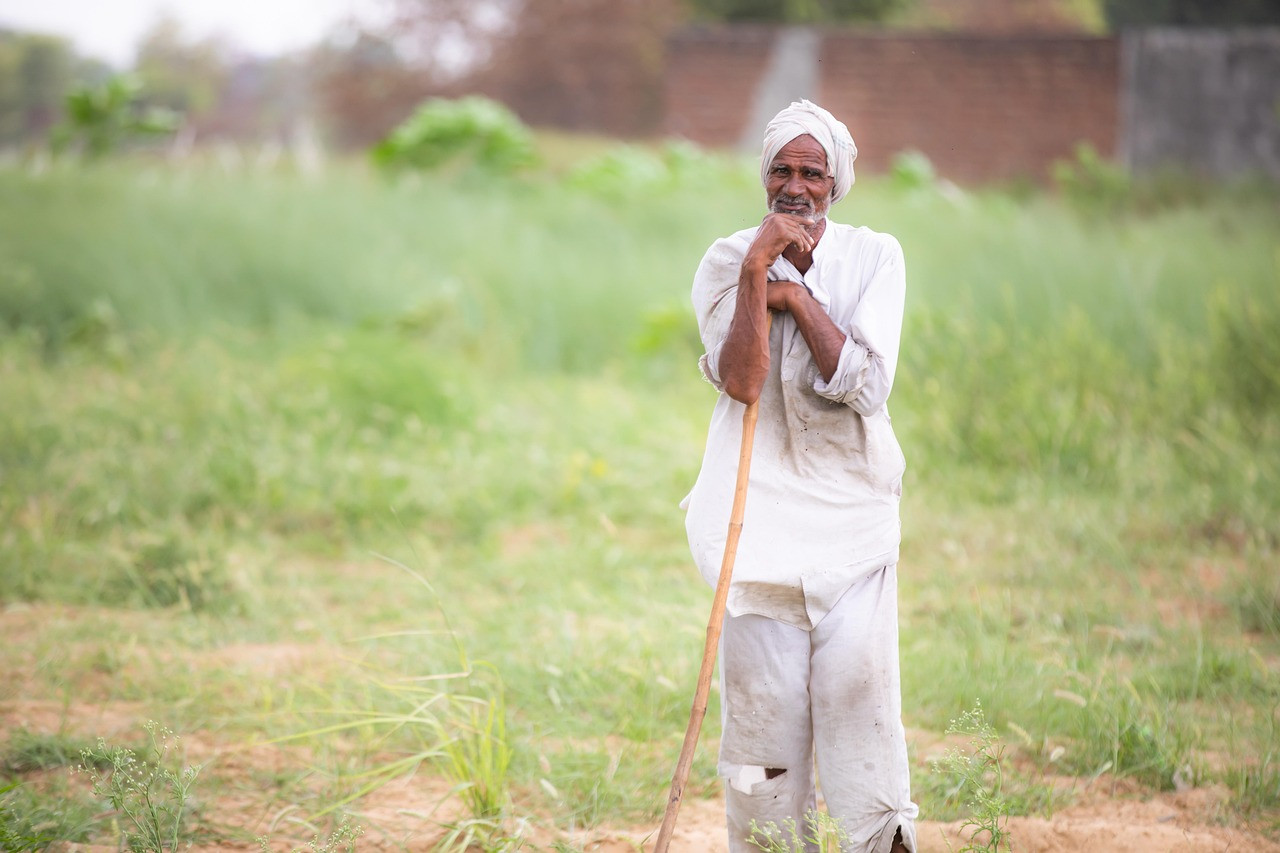
Representative image: Anilsharma26 / Pixabay
Inflation for agricultural labourers rose to 6.30% in September 2026 from 5.18% in August, above headline CPI of 5.54%, as food prices climbed.
What Happened
Prices faced by India's farm workers and rural labourers rose faster than the national average in September 2026. Consumer Price Index data from the Labour Bureau, under the Ministry of Labour and Employment, published in the week of October 19, 2026, show inflation for agricultural labourers (CPI-AL) at 6.30% in September, up from 5.18% in August, and for rural labourers (CPI-RL) at 5.98%, up from 4.83%. Both are above the headline consumer inflation rate of 5.54% for September reported by the Ministry of Statistics and Programme Implementation (MoSPI).
Key Facts
- The all-India CPI-AL index rose to 144.82 in September 2026 from 143.40 in August; CPI-RL rose to 144.58 from 143.20 (base year 2019 = 100), according to the Labour Bureau.
- That is a month-on-month rise of about 1% for both indices.
- Year on year, CPI-AL inflation was 6.30% and CPI-RL 5.98% in September, compared with 5.18% and 4.83% in August.
- Food inflation for agricultural labourers rose to 8.24% from 6.41%, and for rural labourers to 7.84% from 5.97%, according to the report of the Labour Bureau data.
- Headline CPI inflation for September 2026 was 5.54% (provisional), with rural inflation at 6.08% and urban at 4.88%, MoSPI said.
- September was the first month this calendar year in which CPI-RL inflation was above the headline rate, the report said.
Why It Matters
The two indices measure the cost of living for some of India's poorest working households: people who earn mainly from wage work on farms or in villages. Their spending is weighted far more heavily towards food than the average urban household's, so when food prices rise, their cost of living rises faster. That is what the September numbers show. Food inflation for agricultural labourers, at 8.24%, ran above the general food inflation rate of 7.74% reported by MoSPI.
The indices also have a direct use. CPI-AL is used to revise minimum wages for agricultural workers in many states and to adjust wage rates under rural employment programmes. A sustained rise in this index feeds, with a lag, into what these workers are paid. Until that happens, a faster rise in prices means a real cut in what their wages buy.
For businesses, the gap between rural and urban inflation is a signal about demand. Rural inflation of 6.08% against urban inflation of 4.88% means village households are seeing their budgets squeezed harder. Companies selling everyday goods such as soap, packaged food, two-wheelers and mobile recharges in rural markets watch these figures for signs that buyers will cut back or trade down, especially in the festival months when sales usually peak.
The report of the data links the food pressure to a deficient and uneven monsoon and the El Niño weather pattern, and expects food inflation to remain high in the near term. Wholesale inflation, which tracks prices at the factory and wholesale level, had already jumped to 11.39% in September on fuel, food and metals, which suggests further pressure in the pipeline.
| September 2026 inflation | Rate |
|---|---|
| CPI for agricultural labourers | 6.30% |
| CPI for rural labourers | 5.98% |
| Headline CPI (all India) | 5.54% |
| Rural CPI | 6.08% |
| Urban CPI | 4.88% |
Impact
Short-term: Rural households that rely on daily wages face a sharper squeeze on food budgets during the festival season. Companies with large rural sales may see slower volumes or a shift to smaller packs and cheaper brands.
Long-term: If the trend holds, it will push up revisions to state minimum wages and rural scheme wage rates that are linked to CPI-AL and CPI-RL. Persistent food-led inflation also weighs on the Reserve Bank of India's interest-rate decisions.
Who is affected: Agricultural and rural labourers and their families, state governments that set minimum wages, makers and sellers of everyday consumer goods in rural markets, and policymakers tracking inflation.
Key Takeaway
In September 2026, food-driven inflation hit India's farm and rural workers harder than the average consumer, with CPI-AL at 6.30% against headline inflation of 5.54%.
Questions and Answers
What was CPI-AL inflation in September 2026?
Inflation for agricultural labourers was 6.30% year on year in September 2026, up from 5.18% in August, according to Labour Bureau data. The CPI-AL index rose to 144.82 from 143.40.
What is the difference between CPI-AL, CPI-RL and headline CPI?
CPI-AL and CPI-RL measure prices of the goods and services bought by agricultural and rural labour households, and are compiled by the Labour Bureau. Headline CPI, compiled by MoSPI, covers all households across rural and urban India.
Why is rural labourers' inflation higher than headline inflation?
Food makes up a larger share of these households' spending, and food inflation was high in September: 8.24% for agricultural labourers against 7.74% for all households. The data report links this to a weak monsoon and El Niño.
Does CPI-AL affect wages?
Yes. CPI-AL is used to revise minimum wages for agricultural workers in many states and wage rates in rural employment programmes, so a rise in the index can lead to higher wage rates later.
Disclaimer: Prepared by the Peepals newsroom from publicly available sources with AI assistance. Information is accurate to the best of our knowledge at the time of publication and may change. Images may be representative. Not professional advice. Report an error via our contact page.
Sourced and fact-checked by the Peepals Global Editorial Team
Rabakavi milk union: FIR alleges Rs 16.5 crore farmer insurance money diverted
Jio IPO fully subscribed within hours on day one as institutions pile in
Reported, fact-checked and published by the Peepals Global Editorial Team.