
SoftBank credit risk hits four-year high as shares sink 10.8%
 By Rohit SharmaMarkets Analyst, Peepals Business
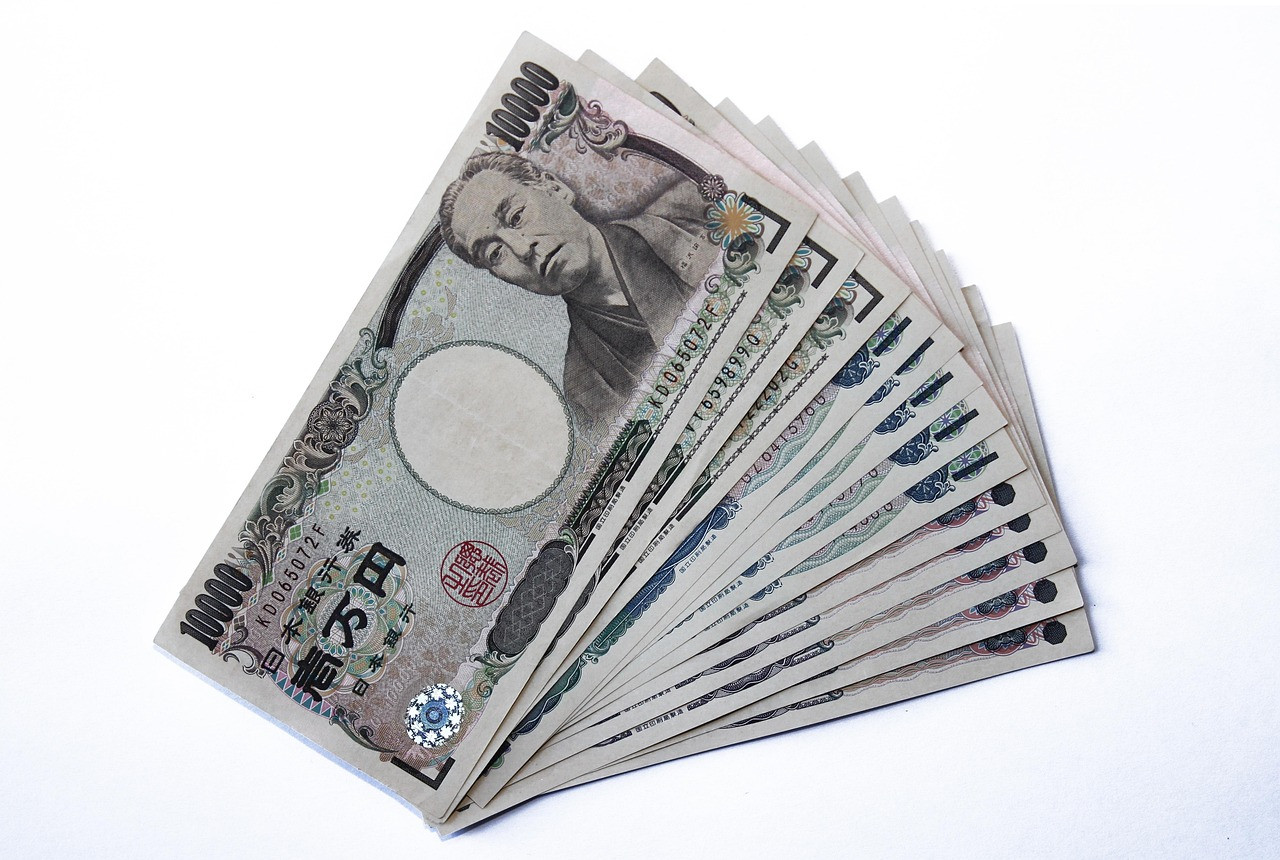
Representative image: Jasmin777 / Pixabay
SoftBank Group shares fell 10.83% to 3,549 yen on 6 November 2026 as its five-year CDS spread widened to 466 basis points, the widest since October 2022.
What Happened
SoftBank Group shares fell 10.83% in Tokyo on Friday, 6 November 2026, closing at 3,549 yen, as the cost of insuring the Japanese investor's debt against default rose to its highest level in four years. Market data cited in reports showed SoftBank's five-year credit default swap spread widening by 22 basis points to 466 basis points, the widest since October 2022. The sell-off came as investors questioned whether the heavy borrowing behind SoftBank's artificial intelligence bets, led by its stake in OpenAI, will pay off. The group reports its quarterly results on Tuesday, 10 November 2026.
Key Facts
- SoftBank Group shares closed at 3,549 yen on 6 November 2026, down 10.83% on the day, after trading between 3,350 and 3,634 yen.
- The five-year credit default swap (CDS) spread widened 22 basis points to 466 basis points, its widest level since October 2022, according to market data cited in reports.
- On 20 October 2026 the same measure stood at 432 basis points, then the highest since November 2022, and was the highest among major Japanese companies, more than 130 basis points above second-placed Nissan Motor.
- Reports said SoftBank's shares have lost nearly half their value since early September.
- The fall followed the Democratic Party's gains in the US midterm elections, which raised fears among investors of a slower build-out of AI infrastructure such as data centres.
- The group is scheduled to report results for its July to September quarter on 10 November 2026.
Why It Matters
SoftBank has become one of the most closely watched gauges of investor mood about artificial intelligence. Unlike the large US technology companies, which pay for much of their AI spending from their own cash flow, SoftBank relies more on borrowing and on selling or pledging assets to fund its commitments. When investors start to doubt how quickly AI will earn money, a company built this way feels it twice: in the value of the assets it holds, and in the price lenders charge it.
A credit default swap is a kind of insurance contract on a company's debt. The buyer pays a yearly fee, and if the company fails to pay its lenders, the seller covers the loss. The fee is quoted in basis points, where 100 basis points equal one percentage point. A wider spread means the market sees a higher chance of trouble, or simply wants more to carry the risk. It does not mean a default is expected; SoftBank has not missed any payment. But it does mean new borrowing is likely to cost more, which matters for a group that needs to keep raising money.
The timing links the stock to US politics. Reports tied the latest sell-off to the midterm election results, which some investors read as a sign that data-centre projects could face more local resistance and slower approvals.
Peepals calculation: A fall of 10.83% to 3,549 yen means the shares had closed at about 3,980 yen the day before (3,549 ÷ 0.8917 ≈ 3,980), so each share lost about 431 yen in one session. The CDS spread of 466 basis points was 34 basis points wider than the 432 recorded on 20 October (466 − 432 = 34). At 466 basis points, protecting 10 million dollars of SoftBank debt for one year would cost about 466,000 dollars (10,000,000 × 0.0466). Our calculation from the reported figures.
Impact
Short-term: The quarterly results on 10 November will be read closely for how SoftBank plans to fund its remaining AI commitments, the value it puts on its OpenAI holding, and any change in its debt levels. A wider CDS spread usually feeds through to the price of new bonds and loans.
Long-term: If doubts about AI returns persist, SoftBank may face higher borrowing costs for years, which could slow new investments or push it to sell assets. If AI businesses such as OpenAI grow into their valuations, the same bets could lift its asset values again. Neither outcome is certain, and the market moves describe investor sentiment, not a verdict on the companies.
Who is affected: SoftBank's shareholders and bondholders; companies that depend on SoftBank funding, such as AI and data-centre businesses; and Indian start-ups and listed companies in which SoftBank holds stakes, since pressure on the parent can shape how it manages its holdings.
What to watch next: SoftBank Group's results for the July to September quarter, scheduled for Tuesday, 10 November 2026.
Key Takeaway
SoftBank's shares fell 10.83% to 3,549 yen on 6 November 2026 as its five-year credit default swap spread hit 466 basis points, the widest since October 2022, on doubts over its debt-funded AI bets.
Questions and Answers
Why did SoftBank shares fall on 6 November 2026?
SoftBank Group shares fell 10.83% to close at 3,549 yen in Tokyo as investors worried about the debt it has taken on to fund AI investments, led by OpenAI, and after US midterm results raised fears of a slower AI data-centre build-out.
What does SoftBank's credit risk at a four-year high mean?
The cost of insuring SoftBank's debt against default, measured by its five-year credit default swap spread, rose to 466 basis points, the widest since October 2022. It shows lenders want more to carry SoftBank risk; it does not mean SoftBank has missed a payment.
What is a basis point?
A basis point is one hundredth of a percentage point. A spread of 466 basis points means a yearly cost of about 4.66% of the amount of debt being insured.
When does SoftBank report its next results?
SoftBank Group is scheduled to report results for the July to September 2026 quarter on Tuesday, 10 November 2026.
Disclaimer: Prepared by the Peepals newsroom from publicly available sources with AI assistance. Information is accurate to the best of our knowledge at the time of publication and may change. Images may be representative. Not professional advice. Report an error via our contact page.
By Rohit Sharma, Markets AnalystCovers Markets Watch and more for Peepals Business. All stories by Rohit Sharma
Punjab paddy procurement tops 150 LMT as mandis protest buying halt
Groww bulk deals: Peak XV, Y Combinator sell 1.84% for Rs 2,457 crore
Get the day's stories in your inbox
Peepals Weekly: the week decoded, free. One email a week, unsubscribe in one click.
Rohit Sharma is a pen name of the Peepals Global Editorial Team, which researches, fact-checks and publishes every story. The portrait is an illustration.