
IAG share price: British Airways owner cuts 2026 capacity as fuel bites
 By Rohit SharmaMarkets Analyst, Peepals Business
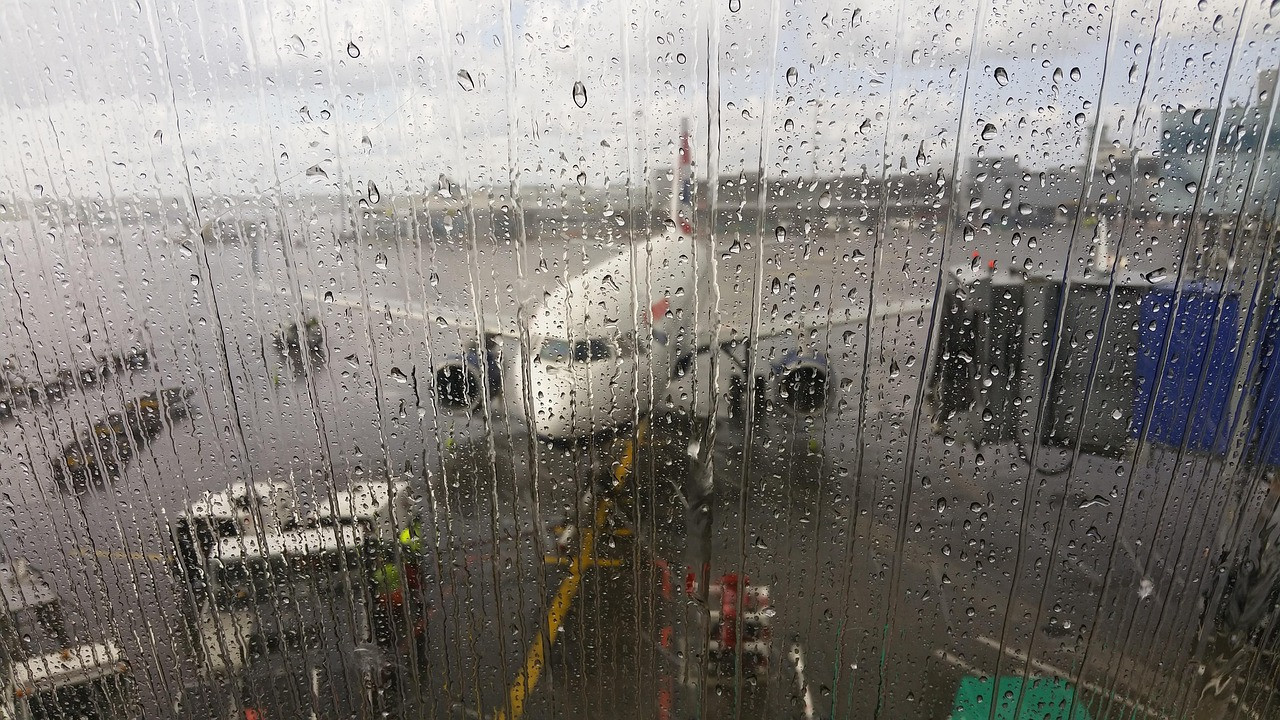
Representative image: ionutscripcaru / Pixabay
IAG said on 6 November 2026 it expects slightly lower 2026 capacity as fuel costs rose 30% in Q3; operating profit of 1.73 billion euros missed forecasts.
What Happened
International Airlines Group (IAG), the owner of British Airways, Iberia and Vueling, said on Friday, 6 November 2026, that it now expects its flying capacity for 2026 to be slightly lower than last year, as higher fuel costs and disruption linked to the conflict involving Iran weigh on the business. Its third-quarter operating profit before exceptional items came in at 1.73 billion euros, below the 1.81 billion euros analysts had expected. IAG kept its target of an operating margin of at least 12% for 2026, and its shares moved up and down by around 1% in early trading after the results.
Key Facts
- IAG reported third-quarter 2026 operating profit before exceptional items of 1.73 billion euros, against an analysts' consensus of 1.81 billion euros.
- The group expects 2026 capacity, the number of seats it flies over distance, to be slightly lower than in 2025, its first decline since 2022, according to reports of the results.
- IAG trimmed European capacity, mainly at Iberia and Vueling, to protect profitability, according to one report.
- Total fuel costs rose about 30% year on year in the quarter, after hedging.
- IAG said it is about 71% hedged on fuel for the rest of 2026 and about 45% hedged for 2027.
- The company kept its 2026 operating margin target of at least 12%.
- Its shares see-sawed by around 1% in early trade on 6 November.
Why It Matters
Fuel is one of an airline's two biggest costs, alongside staff. When jet fuel prices rise sharply, airlines either raise fares, cut flights that no longer make money, or accept lower profits. IAG is doing some of each: it is flying slightly less, focusing on routes that pay, and holding its margin target. The decision to cut capacity rather than chase growth is a signal of how much the fuel shock is changing airline plans in Europe.
Hedging explains part of the picture. A hedge is a contract that fixes the price of some future fuel purchases in advance. Being 71% hedged for the rest of 2026 protects IAG from part of the price rise this year, but with only 45% covered for 2027, more of next year's fuel will be bought at whatever the market price is then.
For investors, the results were mixed. The profit miss was modest, and the company stood by its margin target, which explains why the shares did not fall sharply. Markets are weighing strong travel demand against higher costs, and IAG's caution on capacity suggests management expects costs to stay high for some time.
For Indian travellers and investors, the story is a reminder of how global fuel prices filter through to air fares. Airlines flying between India and Europe face the same global fuel bill. Indian airlines also buy jet fuel at prices linked to global oil markets, so the same pressures shape their costs and fares.
Peepals calculation: IAG's third-quarter operating profit of 1.73 billion euros was about 4.4% below the 1.81 billion euro consensus (1.73 ÷ 1.81 ≈ 0.956). With 71% of its fuel for the rest of 2026 hedged and 45% for 2027, the share of fuel exposed to market prices rises from 29% to 55%, nearly double (55 ÷ 29 ≈ 1.9). Our calculation from the reported figures.
| Measure | Reported figure |
|---|---|
| Q3 2026 operating profit before exceptional items | 1.73 billion euros |
| Analysts' consensus | 1.81 billion euros |
| Fuel cost change in Q3, year on year (after hedging) | Up about 30% |
| Fuel hedged, rest of 2026 / 2027 | About 71% / about 45% |
| 2026 operating margin target | At least 12% |
Impact
Short-term: Slightly fewer seats on some IAG routes, especially short-haul European flights at Iberia and Vueling, and continued pressure on fares as fuel costs stay high.
Long-term: If fuel prices stay elevated into 2027, when less of IAG's fuel is hedged, the group may face bigger cost increases and further choices on capacity and fares.
Who is affected: Passengers of IAG airlines such as British Airways, Iberia and Vueling, IAG shareholders, airline staff, airports that depend on IAG traffic, and rival carriers competing for the same routes.
Key Takeaway
IAG expects to fly slightly less in 2026 as fuel costs rose about 30% in the third quarter, and its 1.73 billion euro operating profit missed forecasts by about 4%, though it kept its 12% margin target.
Questions and Answers
Why did IAG cut its 2026 capacity?
IAG said higher fuel costs and disruption linked to the conflict involving Iran led it to expect slightly lower capacity in 2026, its first decline since 2022, with cuts focused on European routes at Iberia and Vueling.
How did IAG's third-quarter 2026 results compare with forecasts?
Operating profit before exceptional items was 1.73 billion euros, below the analysts' consensus of 1.81 billion euros, a miss of about 4%.
How did IAG's share price react to the results?
The shares moved up and down by around 1% in early trading on 6 November 2026, as investors weighed the profit miss against the unchanged 12% margin target.
How much of its fuel has IAG hedged?
IAG said it is about 71% hedged for the rest of 2026 and about 45% hedged for 2027.
Disclaimer: Prepared by the Peepals newsroom from publicly available sources with AI assistance. Information is accurate to the best of our knowledge at the time of publication and may change. Images may be representative. Not professional advice. Report an error via our contact page.
By Rohit Sharma, Markets AnalystCovers Markets Watch and more for Peepals Business. All stories by Rohit Sharma
MP soybean price above MSP: farmers sell to traders, skip Bhavantar
Palo Alto Networks in talks to buy Clutch Security for $500 million
Get the day's stories in your inbox
Peepals Weekly: the week decoded, free. One email a week, unsubscribe in one click.
Rohit Sharma is a pen name of the Peepals Global Editorial Team, which researches, fact-checks and publishes every story. The portrait is an illustration.