
Black Sea: Erdogan tells Russia, Ukraine to stop attacking civilian ships
 By Rohan SalujaGeopolitics Editor, Peepals Global
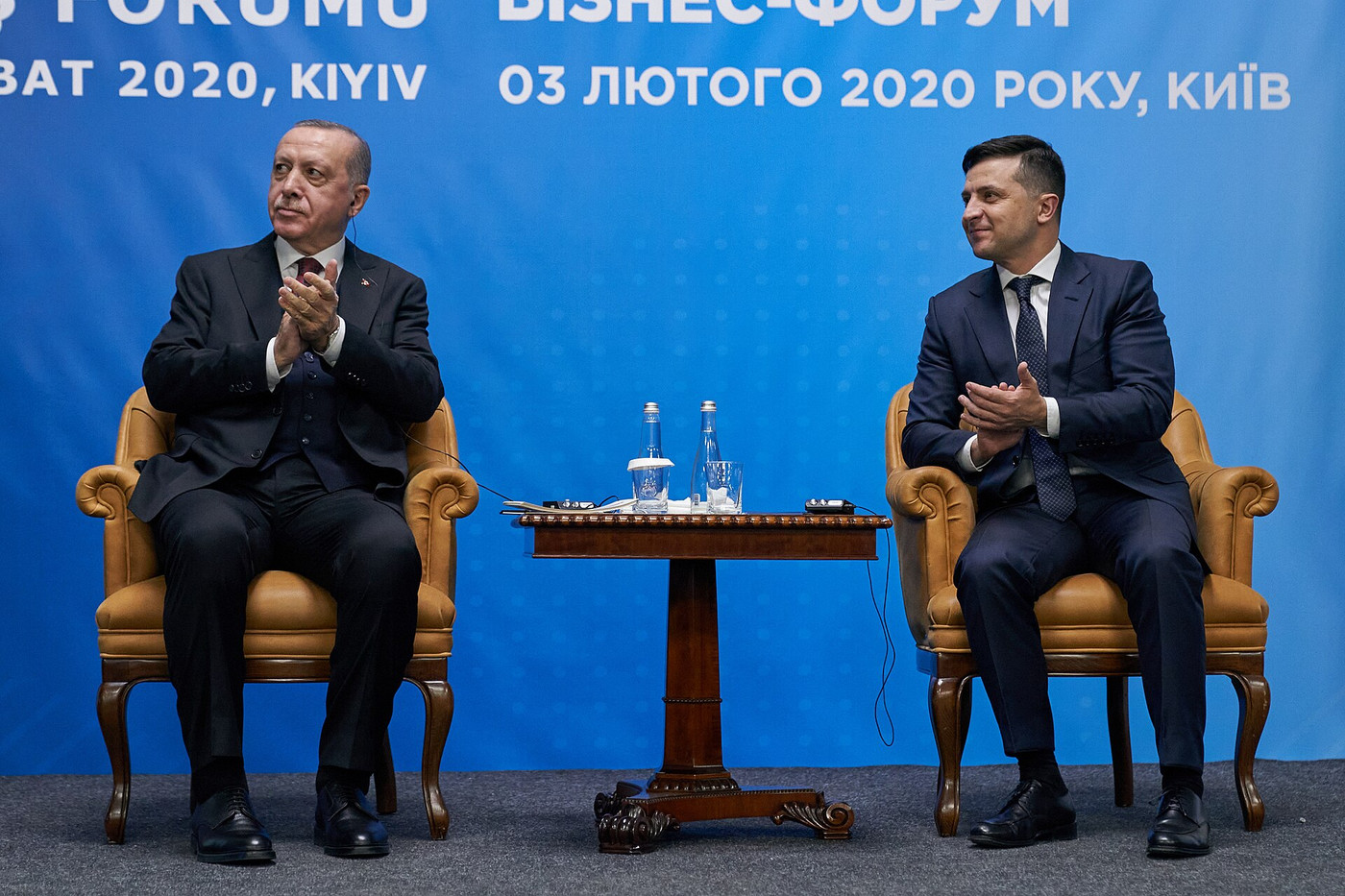
File photo: President.ua (CC BY 4.0), via Wikimedia Commons
Meeting Zelensky in Istanbul on October 31, 2026, Erdogan called Black Sea attacks on civilian ships unacceptable; the two agreed to work on a grain corridor.
What Happened
Turkish President Recep Tayyip Erdogan on Saturday, October 31, 2026, urged Russia and Ukraine to stop attacking civilian ships in the Black Sea, calling such attacks unacceptable whoever carries them out and whatever justification is given. He spoke at a joint news conference with Ukrainian President Volodymyr Zelensky in Istanbul. Erdogan said Turkey had proposed that both countries halt strikes on civilian vessels, but that neither had acted on the proposal, and he called on both sides to act responsibly. Zelensky, who accused Russia of undermining security in the Black Sea, said the two leaders had agreed to work on a Black Sea grain corridor, and Erdogan said talks on restoring safe navigation would continue.
Key Facts
- When and where: October 31, 2026, at a joint news conference in Istanbul.
- Erdogan's message: attacks on civilian ships in the Black Sea are unacceptable, regardless of who carries them out or why.
- Turkey's proposal: Russia and Ukraine should halt strikes on civilian vessels; Erdogan said neither side had acted on it.
- Zelensky's statement: "Today, I reached an agreement with President Erdogan to work on the Black Sea grain corridor."
- Zelensky accused Russia of undermining Black Sea security and raised the possibility of a meeting being hosted in Turkey.
- Same day: US Secretary of State Marco Rubio said there was growing international interest in a limited ceasefire in the Black Sea.
- Cost to Turkey: one estimate, cited by the business news service bne IntelliNews, puts the cost of disruption to Black Sea trade to the Turkish economy at $20 billion.
Why It Matters
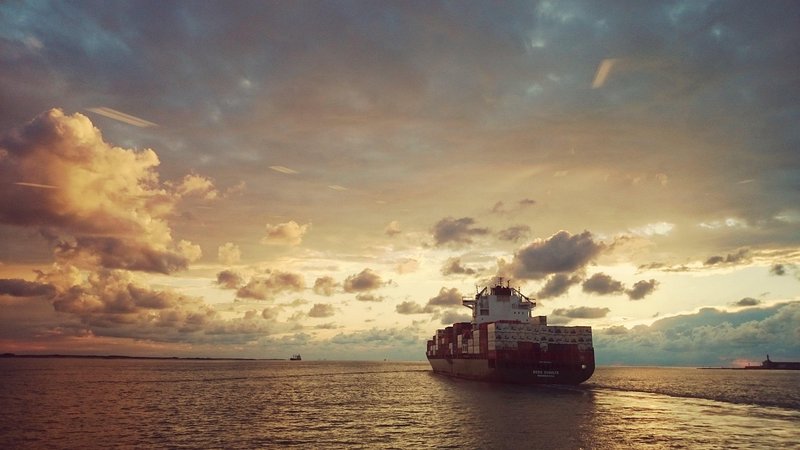
The Black Sea is one of the world's key trade routes for grain, fertiliser and energy. When merchant ships are attacked, insurance costs rise, shipping slows and prices for food and fuel can move far beyond the region.
Turkey sits at the centre of this. It sits on the straits that link the Black Sea to the Mediterranean, and it has hosted both Ukrainian and Russian officials for talks. Erdogan's choice of words was notable: by saying the attacks are unacceptable no matter who carries them out, he put pressure on both sides at once rather than taking one side. It also signals that Turkey wants to keep its role as a host for talks, a point underlined by Zelensky's suggestion of a meeting in Turkey.
The grain corridor agreement is the most practical part of the meeting. A working corridor would give ships a recognised route and some assurance of safety, helping Ukrainian exports move and calming markets. But a corridor depends on Russia not attacking it, and Erdogan's admission that neither side had taken up Turkey's call to stop hitting civilian ships shows how hard that will be.
Rubio's remark on the same day, that there is growing international interest in a limited ceasefire in the Black Sea, suggests that the sea route could become the first area where both sides agree to hold fire, even while fighting continues elsewhere.
| Item | Detail |
|---|---|
| Meeting | Erdogan and Zelensky, Istanbul, October 31, 2026 |
| Turkey's ask | Halt attacks on civilian ships |
| Agreed | Work on a Black Sea grain corridor |
| Next | Talks on navigation safety to continue |
| Turkish cost estimate | About $20 billion (bne IntelliNews) |
Impact
Short-term: Diplomatic work will focus on turning the grain corridor understanding into practical arrangements and on whether Russia responds to Turkey's call. Shipping companies and insurers will watch for any drop in attacks.
Long-term: A working corridor or a limited Black Sea ceasefire could ease pressure on world food and energy prices and become a building block for wider talks to end the war. If attacks continue, trade risks and costs in the region will remain high.
Who is affected: Ukraine and Russia, Turkey and its economy, shipping companies and their crews, grain and fertiliser importers around the world, and consumers who pay for food and fuel.
Key Takeaway
At an Istanbul meeting with Zelensky on October 31, 2026, Erdogan called attacks on civilian ships in the Black Sea unacceptable from either side, and the two leaders agreed to work on a grain corridor.
Questions and Answers
What did Erdogan say about the Black Sea?
On October 31, 2026, Erdogan said attacks on civilian ships in the Black Sea are unacceptable whoever carries them out, urged Russia and Ukraine to act responsibly, and said neither had acted on Turkey's proposal to stop such strikes.
What did Zelensky and Erdogan agree in Istanbul?
Zelensky said they agreed to work on a Black Sea grain corridor, and Erdogan said talks on restoring safe navigation would continue.
Is there a Black Sea ceasefire?
No. US Secretary of State Marco Rubio said on the same day that international interest in a limited ceasefire in the Black Sea was growing, but none has been agreed.
Why does the Black Sea matter to the world?
It is a major route for grain, fertiliser and energy exports from the region. Attacks on ships raise shipping costs and can push up food and fuel prices globally.
Disclaimer: Prepared by the Peepals newsroom from publicly available sources with AI assistance. Information is accurate to the best of our knowledge at the time of publication and may change. Images may be representative. Not professional advice. Report an error via our contact page.
By Rohan Saluja, Geopolitics EditorCovers Geopolitics and more for Peepals Global. All stories by Rohan Saluja
Star Trek's Captain Picard, Sir Patrick Stewart, dies at 86
The Voice UK 2026: Cate McHugh beats Frank Raven to win for Sir Tom Jones
Get the day's stories in your inbox
Peepals Weekly: the week decoded, free. One email a week, unsubscribe in one click.
Rohan Saluja is a pen name of the Peepals Global Editorial Team, which researches, fact-checks and publishes every story. The portrait is an illustration.