
German protests turn violent: shops looted in Frankfurt, 120 held in Hamburg
 By Rohan SalujaGeopolitics Editor, Peepals Global
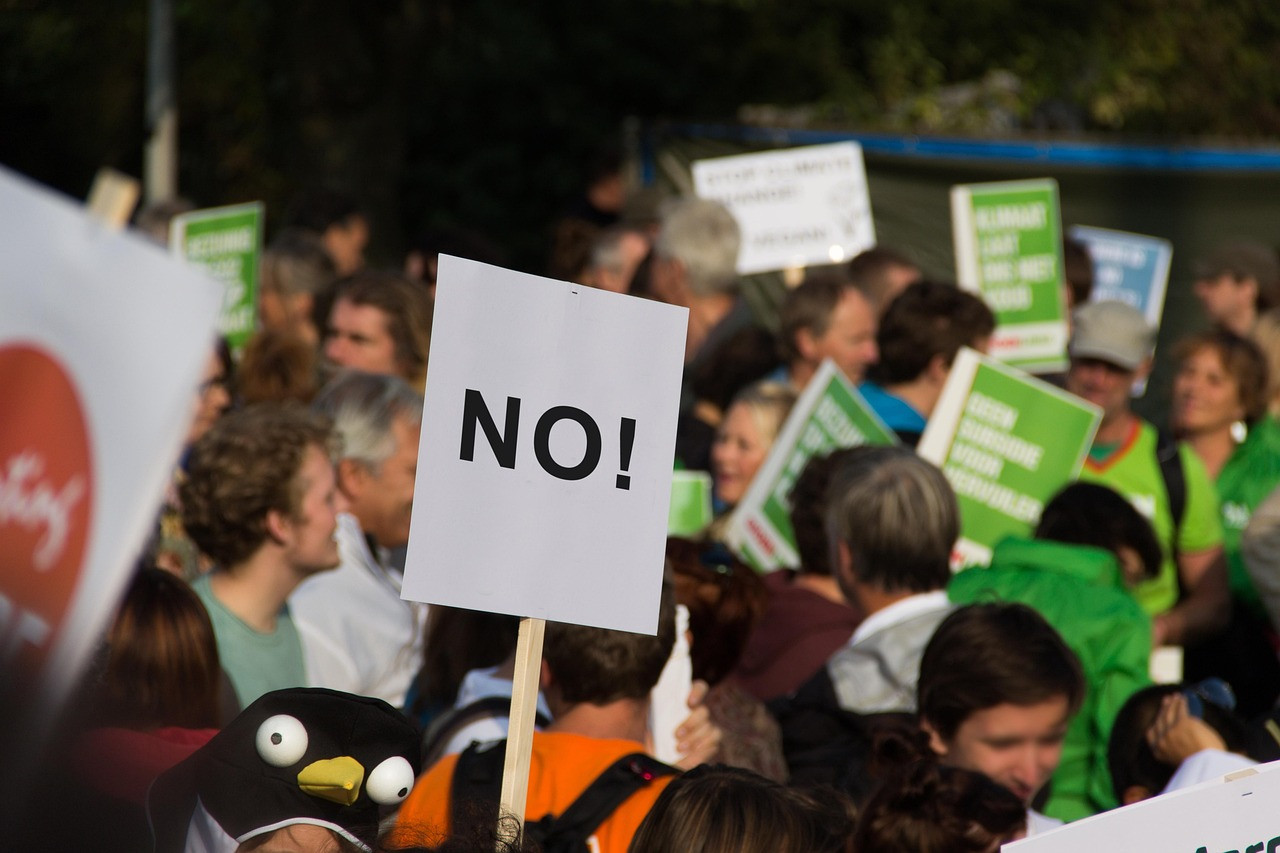
Representative image: niekverlaan / Pixabay
Youth-led German protests on October 31, 2026, over living costs, schools and military service turned violent, with looting in Frankfurt and arrests in Hamburg.
What Happened
German protests over the cost of living, school funding and military service turned violent on the night of Saturday, October 31, 2026, after a largely peaceful day of youth-led rallies in 34 cities. In Frankfurt, rioters looted shops in the city centre, and police said windows were smashed and molotov cocktails were thrown at emergency services, describing the scenes as violent riots. In Berlin, 27 police officers were injured during an evening demonstration and up to 56 people were briefly detained, while in Hamburg public broadcaster NDR reported 120 arrests. The rallies were organised by a youth campaign called Gen Z regelt ("Gen Z takes charge"), and similar youth protests took place in France on the same day.
Key Facts
- Date: Saturday, October 31, 2026; violence broke out late in the evening.
- Organiser: the youth campaign Gen Z regelt; rallies were planned in 34 German cities, including Berlin, Frankfurt and Munich.
- Frankfurt: shops looted, at least two according to Reuters-based reports, with several other businesses damaged; police reported molotov cocktails thrown at emergency services.
- Berlin: 27 police officers injured and up to 56 people temporarily detained, according to police figures reported by the media.
- Hamburg: 120 arrests, as reported by NDR; barricades were set on fire.
- Turnout: organisers had expected as many as 182,000 people; reported numbers in the main cities were considerably lower, though German media said tens of thousands marched.
- Demands: no compulsory military service, more investment in schools and education, and relief on living costs.
- France: more than 320,000 people demonstrated across the country on the same Saturday.
Why It Matters
Germany is Europe's largest economy and has long been seen as one of its most stable democracies. Street violence on this scale, spread across several big cities on one night, is unusual and will be read in Berlin and other European capitals as a warning sign about the mood of young people.
The anger has several roots. Organisers argue that Chancellor Friedrich Merz's government is placing extra financial and social burdens on the young while not investing enough in schools, universities and healthcare. One spokesperson for the campaign put it simply: "We are against compulsory military service and we are in favour of a fairer distribution of the burden." Military service in Germany is currently voluntary, but 18-year-old men must now answer a questionnaire on their suitability, a step many young people see as a move towards conscription, which Germany suspended in 2011. Lawmakers have, for now, decided against bringing back mandatory service.
The protests also show a split inside the youth movement itself. Germany's national school students' umbrella body, BSK, has distanced itself from Gen Z regelt and plans its own day of protest on November 20. That matters because the violence in Frankfurt, Berlin and Hamburg could shape how the public and politicians see all youth protest, including the peaceful majority who marched during the day.
| City | What was reported |
|---|---|
| Frankfurt | Shops looted, windows smashed, molotov cocktails thrown at emergency services |
| Berlin | 27 police officers injured, up to 56 people detained |
| Hamburg | 120 arrests (NDR), barricades set on fire |
| Nationwide | Rallies in 34 cities; tens of thousands took part |
For India, the direct effects are limited, but the story is part of a wider pattern. Youth-led protests over jobs, costs and public services have shaken several countries in recent years, and governments everywhere are watching how Europe's richest economies handle a generation that feels it is paying more and getting less.
Impact
Short-term: Police investigations into the looting and attacks on emergency workers are expected, and political pressure on the Merz government to respond to the protesters' concerns, or to the violence, will rise. Further rallies are planned, including the school students' protest on November 20.
Long-term: The debate over military service, school funding and how Germany shares the cost of higher defence spending is likely to intensify. How the government answers young voters could shape the next stage of German politics.
Who is affected: Young people in Germany, shop owners and residents in the affected city centres, police and emergency workers, and the federal government.
Key Takeaway
Germany's youth-led protests of October 31, 2026, over living costs, school funding and military service ended in looting in Frankfurt and clashes in Berlin and Hamburg, raising pressure on the Merz government.
Questions and Answers
Why were there protests in Germany on October 31, 2026?
The youth campaign Gen Z regelt organised rallies in 34 cities against compulsory military service and for more investment in education and relief on living costs.
What happened in Frankfurt during the German protests?
Late on Saturday, rioters looted shops in the city centre. Police said windows were smashed and molotov cocktails were thrown at emergency services.
How many people were arrested or hurt?
In Berlin, 27 police officers were injured and up to 56 people were briefly detained. In Hamburg, NDR reported 120 arrests.
Does Germany have compulsory military service now?
No. Service is voluntary, but 18-year-old men must fill in a suitability questionnaire. Conscription was suspended in 2011, and lawmakers have so far decided against bringing it back.
Disclaimer: Prepared by the Peepals newsroom from publicly available sources with AI assistance. Information is accurate to the best of our knowledge at the time of publication and may change. Images may be representative. Not professional advice. Report an error via our contact page.
By Rohan Saluja, Geopolitics EditorCovers Geopolitics and more for Peepals Global. All stories by Rohan Saluja
Ciara Mageean, European 1500m champion and two-time Olympian, dies at 34
Star Trek's Captain Picard, Sir Patrick Stewart, dies at 86
Get the day's stories in your inbox
Peepals Weekly: the week decoded, free. One email a week, unsubscribe in one click.
Rohan Saluja is a pen name of the Peepals Global Editorial Team, which researches, fact-checks and publishes every story. The portrait is an illustration.