
US warns Gulf states of possible short, intense Iran strikes after midterms
 By Rohan SalujaGeopolitics Editor, Peepals Global
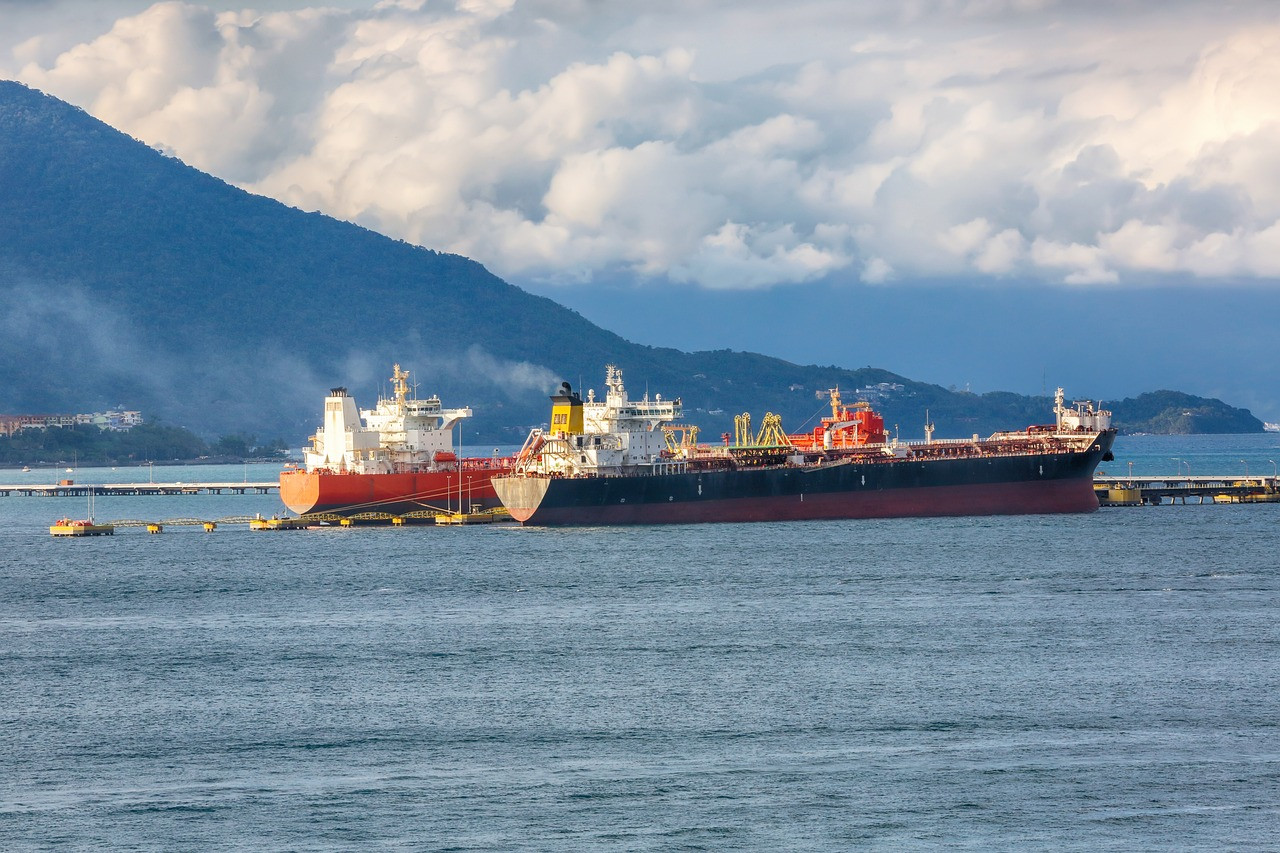
Representative image: Marcos-Photographer / Pixabay
The US has told Gulf states to prepare for possible short, intense strikes on Iran after the November 3 midterms, a US press report said; Iran warns of energy fallout.
What Happened
The United States has privately told several Gulf Arab states to prepare for a possible short but intense military campaign against Iran after the US midterm elections on November 3, according to a US newspaper report published on Wednesday, October 28, 2026, that cited people briefed on the matter. The warnings were reportedly passed through diplomatic and military channels as Washington and Israel prepare options for another round of strikes aimed at weakening Iran's military and pressing Tehran to make concessions. Iran's Foreign Minister Abbas Araghchi responded that any new attack in the Gulf would have a "devastating" effect on international energy markets. The White House declined to discuss plans, saying President Donald Trump keeps all options on the table to ensure Iran never has a nuclear weapon.
Key Facts
- Source of the report: a US newspaper report of October 28, 2026, citing people briefed on the discussions; the warnings went to several Gulf Arab governments.
- What was conveyed: that a renewed US campaign against Iran could come after the November 3 midterms and could be short and intense, lasting several days, according to reports.
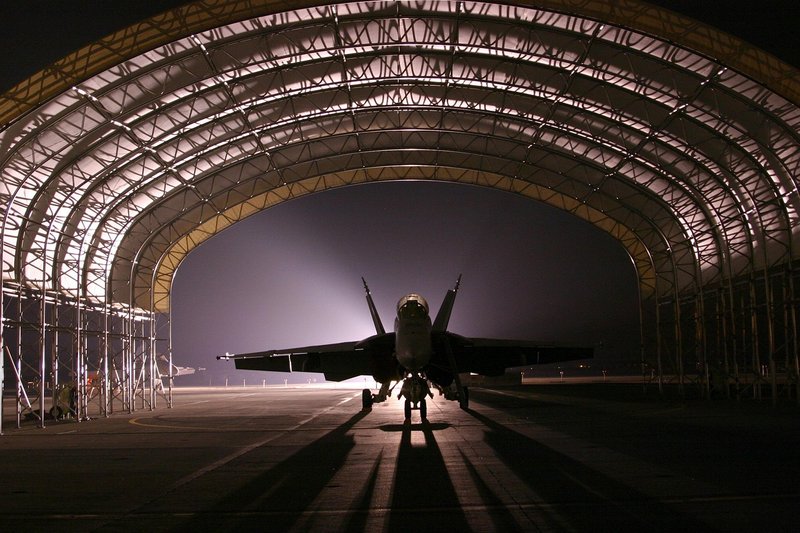
- US preparations: officials quoted in reports said munitions were being restocked and bombers and fighters prepared.
- White House: declined to discuss the plans; said the President keeps all options open to stop Iran getting a nuclear weapon. President Trump has said he would not attack Iran before the midterms.
- Iran's response: Foreign Minister Araghchi warned of a devastating impact on energy markets and said Iran remains in contact with Qatari intermediaries on diplomatic options.
- Diplomacy: Iran was reported to have rejected a Qatari draft agreement, though a senior Iranian official disputed that a formal proposal had been made.
Why It Matters
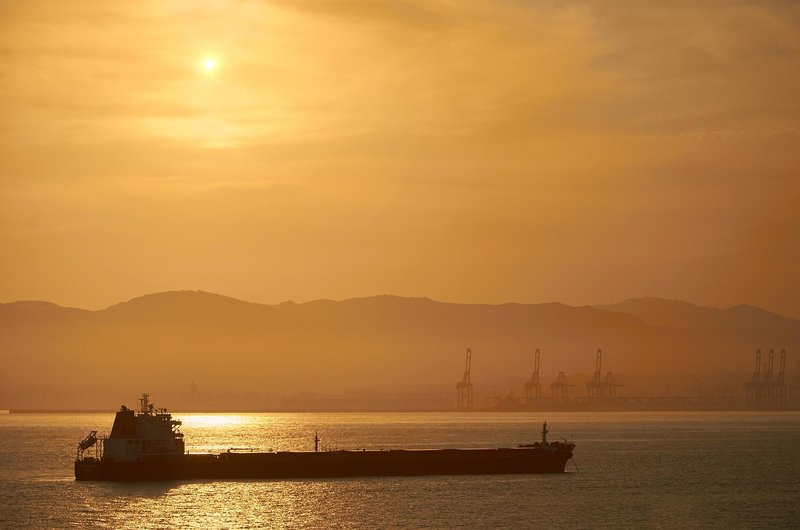
The region has already been through a war this year. The United States has kept up a naval blockade affecting Iranian oil exports, and the Strait of Hormuz, the narrow sea lane between Iran and Oman through which a large share of the world's oil and gas exports pass, has been at the centre of the confrontation. A warning to Gulf capitals that fighting could resume within days of a US election is therefore a signal that the pause may not hold.
The Gulf states are caught in the middle. They host US bases and are close security partners of Washington, but they also sit within easy range of Iranian missiles and drones. Reports say Gulf governments fear that renewed fighting would put their oil and gas facilities and other critical infrastructure at risk, and Iran has said it would answer any attack by striking economic and civilian targets across the region. At least one senior Gulf official was reported to have suggested that some countries might object to US strikes being launched from bases on their territory. That puts the region's governments in a difficult position between their main security partner and a neighbour that has threatened retaliation.
For India, the stakes are practical. India relies on Gulf oil and gas and has a very large community of citizens working in the Gulf states. Any disruption in the Strait of Hormuz, or attacks on Gulf energy facilities, would show up quickly in fuel prices, shipping costs and the safety of Indian workers. A renewed conflict would test New Delhi's ability to protect both its energy supplies and its citizens.
| What to watch | Why it matters |
|---|---|
| November 3 US midterms | Reports say the window for renewed strikes opens after the vote |
| Qatar's mediation | Iran says it is still in contact with Qatari intermediaries |
| Gulf host-nation stance | Some states may object to strikes from bases on their soil |
| Oil and shipping markets | Iran warns any attack would hit energy markets hard |
Impact
Short-term: Gulf governments face pressure to prepare defences for their energy and civilian infrastructure and to decide how far they will allow US operations from their territory. Oil and shipping markets are likely to watch every signal around the midterm vote. Diplomacy through Qatar remains the main alternative to renewed fighting.
Long-term: A second round of strikes would make the region's security even more dependent on military deterrence, with the risk that Iranian retaliation widens the conflict to the Gulf states. A negotiated deal, if reached, could ease the blockade and restore more normal energy flows through the Strait of Hormuz.
Who is affected: Iran and its population; Gulf states such as Saudi Arabia, the UAE and Qatar that host US forces or mediate; the United States and Israel; global energy importers, including India; and the millions of foreign workers, many of them Indian, who live and work in the Gulf.
Key Takeaway
Washington has reportedly warned Gulf allies to prepare for short, intense strikes on Iran after the November 3 midterms, while Tehran warns that any attack would hit global energy markets hard and Qatar's mediation remains the main off-ramp.
Questions and Answers
What did the US reportedly tell Gulf states about Iran?
According to a US newspaper report of October 28, 2026, the US told several Gulf Arab governments to prepare for a possible short, intense military campaign against Iran after the November 3 US midterm elections.
Has the US confirmed it will strike Iran?
No. The White House declined to discuss plans and said the President keeps all options on the table to ensure Iran never has a nuclear weapon. President Trump has said he would not attack before the midterms.
How has Iran responded?
Foreign Minister Abbas Araghchi said any new attack in the Gulf would have a devastating effect on international energy markets, and said Iran remains in contact with Qatari intermediaries on diplomatic options.
Why does this matter for India?
India depends heavily on Gulf energy supplies and has a large workforce in the Gulf states. Renewed fighting, especially around the Strait of Hormuz, could raise fuel and shipping costs and put Indian workers in the region at risk.
Disclaimer: Prepared by the Peepals newsroom from publicly available sources with AI assistance. Information is accurate to the best of our knowledge at the time of publication and may change. Images may be representative. Not professional advice. Report an error via our contact page.
By Rohan Saluja, Geopolitics EditorCovers Geopolitics and more for Peepals Global. All stories by Rohan Saluja
Blackstone now expects Anthropic to get junk credit rating after IPO
Zverev to become world No. 1 for first time despite Vienna loss
Get the day's stories in your inbox
Peepals Weekly: the week decoded, free. One email a week, unsubscribe in one click.
Rohan Saluja is a pen name of the Peepals Global Editorial Team, which researches, fact-checks and publishes every story. The portrait is an illustration.