
Canada-United States border: remote crossing permits end November 30
 By Rohan SalujaGeopolitics Editor, Peepals Global
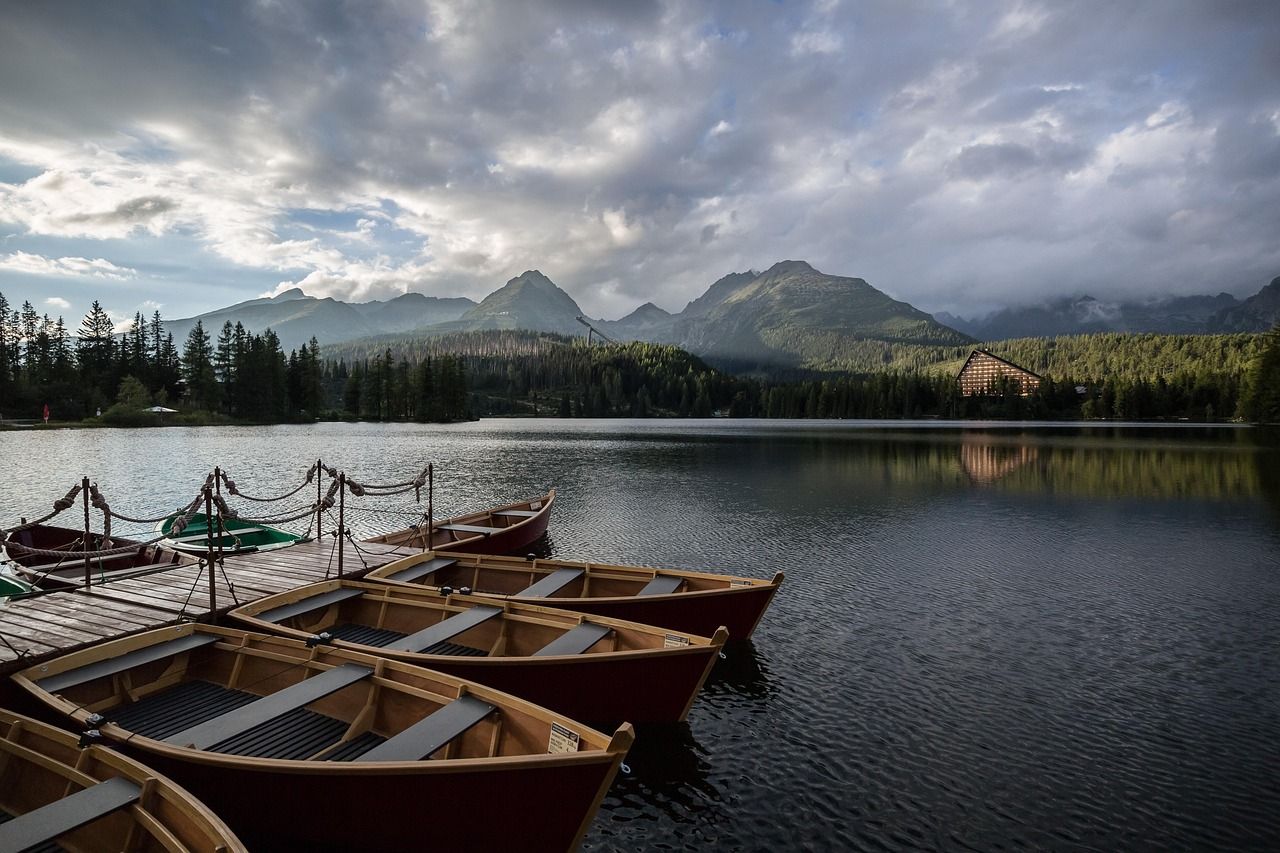
Representative image: RobertFrw / Pixabay
Canada closes its Remote Area Border Crossing permit program at 11:59 pm on 30 November 2026; remote travellers must phone in every entry.
Canada-United States border: what happened
Canada will close its Remote Area Border Crossing (RABC) program at 11:59 pm on Monday, 30 November 2026, changing the entry rules on the Canada-United States border for travellers who cross at remote lakes, rivers and trails where no border officer is posted. In a reminder issued this month, the Canada Border Services Agency (CBSA) said that from then on, people entering Canada through these areas must report to the agency through designated telephone reporting sites, instead of relying on an annual permit. Staffed ports of entry are not affected.
Canada-United States border: key facts
- The RABC permit let pre-screened travellers enter Canada in certain remote areas without reporting each crossing. All existing permits stop being valid when the program closes on 30 November.
- From Tuesday, 1 December, every entry must be reported to the CBSA at a staffed port of entry or a designated telephone reporting site, with everyone in the party and all goods declared.
- The CBSA first announced the closure in December 2025 with an end date of 14 September 2026; that date was later pushed back to 30 November.
- The areas covered include the Northwest Angle, the Pigeon River through to Lake of the Woods, the Canadian shore of Lake Superior, the upper lock system at Sault Ste. Marie and Cockburn Island.
- The CBSA says the change will strengthen border integrity, set consistent reporting rules and bring Canada's practice in line with that of U.S. Customs and Border Protection in remote areas.
- Failing to report can lead to monetary penalties, seizure of goods or vehicles and possible criminal charges under Canada's Customs Act, the agency has said.
Canada-United States border: why it matters
Long stretches of the Canada-United States border run through lakes and forest where building and staffing a border post would make little sense. For decades, the RABC permit offered a simple answer: travellers were screened once, received a permit and could then cross freely in the designated areas, for example by boat or snowmobile, as long as they followed the permit's conditions.
Closing the program replaces that one-time screening with a report for every crossing. That is a real change for the people who use these routes most. The affected travellers are concentrated in northern Ontario and southern Manitoba: anglers, boaters, canoeists, snowmobilers, guests of fishing resorts and owners of seasonal homes on the Canadian side. A large share of them are Americans heading north for recreation.
The decision also fits a wider pattern of tighter border management on both sides. By aligning its remote-area rules with those of U.S. Customs and Border Protection, Canada is signalling that it wants a consistent reporting standard across the whole frontier rather than special arrangements for a few regions. For two neighbours whose trade and travel ties are among the closest in the world, small administrative changes like this one are part of a broader effort to show that the border is controlled at every point.
For businesses that depend on cross-border visitors, such as lodges and outfitters in the lake country west of Lake Superior, the change adds a step for their customers. Telephone reporting sites are meant to keep that step manageable, but travellers now have to plan their route around a point where they can call in.
Peepals calculation: The program has been described as serving about 11,000 travellers a year, roughly 90% of them Americans. That works out to about 9,900 American users a year (11,000 × 0.9 = 9,900), which matches the round figure of about 10,000 Americans also cited for the program. Our calculation from the reported figures.
| Before 1 December | From 1 December |
|---|---|
| One-time screening, then an annual RABC permit | No permit; every entry must be reported |
| Crossing allowed in designated remote areas under permit conditions | Report at a staffed port of entry or a designated telephone reporting site |
| Permit holders did not call in each trip | Everyone in the party and all goods must be declared each time |
Canada-United States border: impact
Short-term: Permit holders planning trips in early December, including ice fishers and snowmobilers, must find the nearest designated telephone reporting site on their route and report before or on entering Canada.
Long-term: Resorts and outfitters in the affected areas may need to help guests with the new reporting step, and the CBSA's network of telephone reporting sites will determine how smoothly remote travel works in future seasons.
Who is affected: Travellers who enter Canada through remote areas of northern Ontario and southern Manitoba, most of them American recreational visitors and seasonal property owners, and the tourism businesses that serve them.
What to watch next: The program closes at 11:59 pm on 30 November 2026, and the new telephone reporting rules apply from 1 December.
Canada-United States border: key takeaway
Anyone who used an RABC permit should check the CBSA's list of designated telephone reporting sites before their next remote crossing, because from 1 December every entry must be reported.
Canada-United States border: questions and answers
What is changing on the Canada-United States border on 1 December 2026?
Canada's Remote Area Border Crossing permit program ends at 11:59 pm on 30 November 2026. After that, travellers entering Canada in remote areas must report each entry to the CBSA, mainly through designated telephone reporting sites.
Does this affect normal border crossings at staffed ports of entry?
No. The change applies only to remote areas where travellers could previously cross under an RABC permit without reporting each trip.
What happens if a traveller does not report?
The CBSA has said failing to report can bring monetary penalties, seizure of goods or vehicles and possible criminal charges under the Customs Act.
Why is Canada ending the program?
The CBSA says it wants to strengthen border integrity, apply the same reporting rules to everyone entering through remote areas and match the approach used by U.S. Customs and Border Protection.
Disclaimer: Prepared by the Peepals newsroom from publicly available sources with AI assistance. Information is accurate to the best of our knowledge at the time of publication and may change. Images may be representative. Not professional advice. Report an error via our contact page.
By Rohan Saluja, Geopolitics EditorCovers Geopolitics and more for Peepals Global. All stories by Rohan Saluja
IAI NeuSPHERE Cohort 2: four Indian deep-tech start-ups demo, Cohort 3 opens
Jamie Miller's Babydoll holds UK No. 1 for sixth week, a Welsh record
Your week ahead, every Sunday. Free.
Exam and result dates, IPOs opening, scheme deadlines, government holidays and the RBI decision for the next 7 days, plus the week's top stories. One email a week, unsubscribe in one click.
Rohan Saluja is a pen name of the Peepals Global Editorial Team, which researches, fact-checks and publishes every story. The portrait is an illustration.
Responsible for this story: the Peepals Global Editorial Team. How we report