
Israel elections: Netanyahu denies army chief clash over Iran action
 By Rohan SalujaGeopolitics Editor, Peepals Global
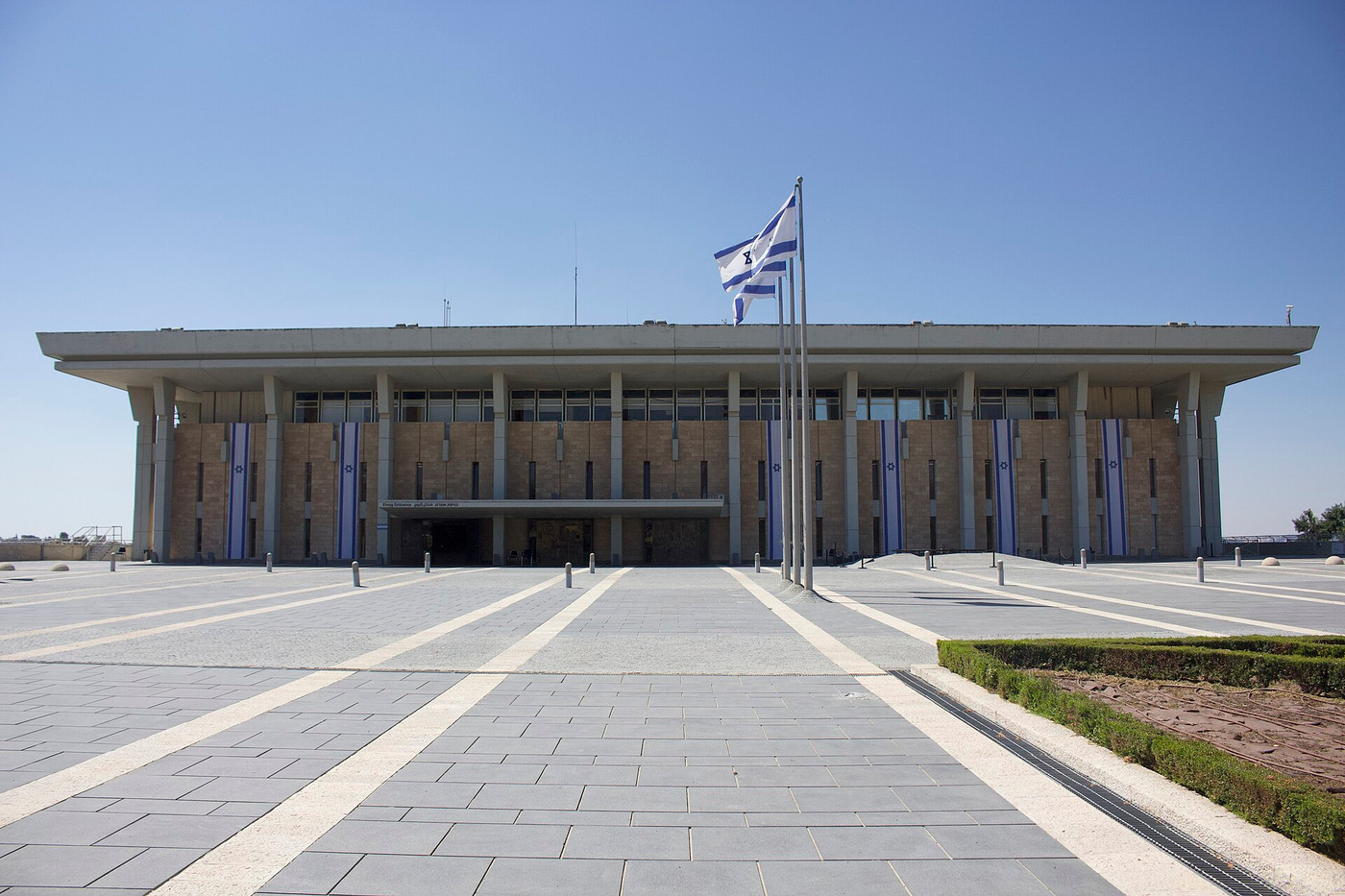
File photo: Clema12 (CC BY-SA 4.0), via Wikimedia Commons
On the eve of Israel's October 27 vote, Netanyahu called a report that army chief Eyal Zamir resisted an Iran-linked order 'nonsense'; polls show no majority.
What Happened
Israel goes to the polls on Tuesday, October 27, 2026, and the final day of the campaign was dominated by a report of a rift between Prime Minister Benjamin Netanyahu and the chief of staff of the Israel Defense Forces (IDF), Lieutenant General Eyal Zamir. An Israeli television channel, Channel 12, reported on Sunday, October 25, that Zamir was resisting an unspecified military action linked to Iran that the political leadership wanted carried out shortly before the vote, and that he had asked for more deliberation and for signed legal authorisation. Netanyahu called the report "nonsense" and said "There was no battle between us."
Key Facts
- Election day: Tuesday, October 27, 2026, for the 120-seat Knesset, Israel's parliament; 61 seats are needed for a majority.
- The report: Channel 12 described an "unprecedented confrontation" in which the army chief resisted a planned Iran-related action and sought written legal cover; the channel did not reveal what the mission was.
- An earlier report on Channel 13 said Zamir saw no operational need for a strike on Iran before the election, though the army would act if required.
- Netanyahu's reply: in an interview with Channel 14, he denied any clash and said the army chief, the head of Military Intelligence and the head of the Mossad had all told him Iran is trying to harm the election.
- Final polls: three main television polls put Gadi Eisenkot's Yashar party first with 22 to 23 seats and Netanyahu's Likud second with 19 to 21; all three gave Netanyahu's bloc 50 seats.
- The opposition bloc stood at 52 to 56 seats and Arab-majority parties at 14 to 16, leaving neither side with 61 in those polls.
- One outlier poll, by Direct Polls for i24NEWS, put Likud first with 26 seats and Netanyahu's bloc at 59.
Why It Matters
The report goes to the heart of how a democracy handles war decisions during an election. A request for signed legal authorisation, if the report is accurate, would signal that the army's top officer wanted the political responsibility for any action to be clearly on record. Defence officials reportedly feared it could quickly lead to a direct confrontation with Iran. None of this has been confirmed officially, and the prime minister denies it.
The timing matters because Iran has been central to Netanyahu's campaign. Israel and Iran fought a 12-day war in June 2025, and tension in the Gulf has stayed high through 2026, including pressure on shipping in the Strait of Hormuz. Netanyahu's statement that he has instructed the army and the Mossad, Israel's foreign intelligence agency, to work towards toppling Iran's government is itself a sharp escalation in language on the eve of a vote. Critics accuse him of seeking renewed conflict for political gain, which he denies.
The election itself looks close. Eisenkot, a former army chief of staff who now leads the Yashar party, has edged ahead of Likud in most final surveys, but neither camp reaches a governing majority in them. That means the result could depend on whether small parties cross the electoral threshold, the minimum share of votes a party needs to win any seats, and on how the Arab-majority parties perform, since neither bloc counts them as partners. Former prime minister Naftali Bennett's party, polling at about 14 to 15 seats, could also be a kingmaker.
For India, the outcome and any move against Iran are not distant matters. India buys much of its crude oil from the Gulf, and a large share of it passes through the Strait of Hormuz; any new Israel-Iran fighting would hit oil prices, shipping costs and the safety of millions of Indians who work in West Asia. India also has close defence ties with Israel and working relations with Iran.
| Final pre-election poll | Yashar | Likud | Netanyahu bloc |
|---|---|---|---|
| Kan | 22 | 20 | 50 |
| Channel 12 | 23 | 21 | 50 |
| Channel 13 | 22 | 19 | 50 |
| Direct Polls for i24NEWS | not reported | 26 | 59 |
Impact
Short-term: Voters go to the polls with an open question about whether the government planned military action against Iran during the campaign. Results follow after polls close on Tuesday.
Long-term: If no bloc reaches 61 seats, Israel could face long coalition talks or even another election. The next government will set Israel's course on Iran, Gaza and the Gulf states.
Who is affected: Israeli voters and soldiers; Iran and the Gulf states; oil and shipping markets; and Indian workers and energy importers who depend on calm in West Asia.
Key Takeaway
A disputed report that Israel's army chief resisted an Iran-linked order, denied by Netanyahu, has added uncertainty to an October 27 election that final polls show no bloc winning outright.
Questions and Answers
When are the Israel elections in 2026?
Israel votes on Tuesday, October 27, 2026, to elect the 120 members of the Knesset. A party or coalition needs 61 seats to govern.
What is the reported clash between Netanyahu and the army chief?
Israel's Channel 12 reported on October 25 that IDF chief of staff Eyal Zamir resisted an unspecified Iran-related military action that political leaders wanted before the vote, and asked for signed legal authorisation. Netanyahu called the report nonsense and said there was no battle between them.
Who is leading in the final Israeli election polls?
Three main television polls put Gadi Eisenkot's Yashar party narrowly ahead of Netanyahu's Likud, with Netanyahu's bloc at 50 seats and neither side reaching 61. One poll by Direct Polls gave Likud 26 seats and its bloc 59.
Why does the Israeli election matter for India?
The next Israeli government will decide its stance on Iran, and any new fighting would affect oil supplies through the Strait of Hormuz, prices in India and the safety of Indians working in West Asia. India also has strong defence and trade ties with Israel.
Disclaimer: Prepared by the Peepals newsroom from publicly available sources with AI assistance. Information is accurate to the best of our knowledge at the time of publication and may change. Images may be representative. Not professional advice. Report an error via our contact page.
By Rohan Saluja, Geopolitics EditorCovers Geopolitics and more for Peepals Global. All stories by Rohan Saluja
Eric Bauza, voice of Bugs Bunny and Daffy Duck, dies at 46
Singapore's Ailytics raises $7.4 million to turn CCTV into safety AI
Get the day's stories in your inbox
Peepals Weekly: the week decoded, free. One email a week, unsubscribe in one click.
Rohan Saluja is a pen name of the Peepals Global Editorial Team, which researches, fact-checks and publishes every story. The portrait is an illustration.