

Russia cyber attack: hacked alert apps send fake nuclear warnings
 By Rohan SalujaGeopolitics Editor, Peepals Global
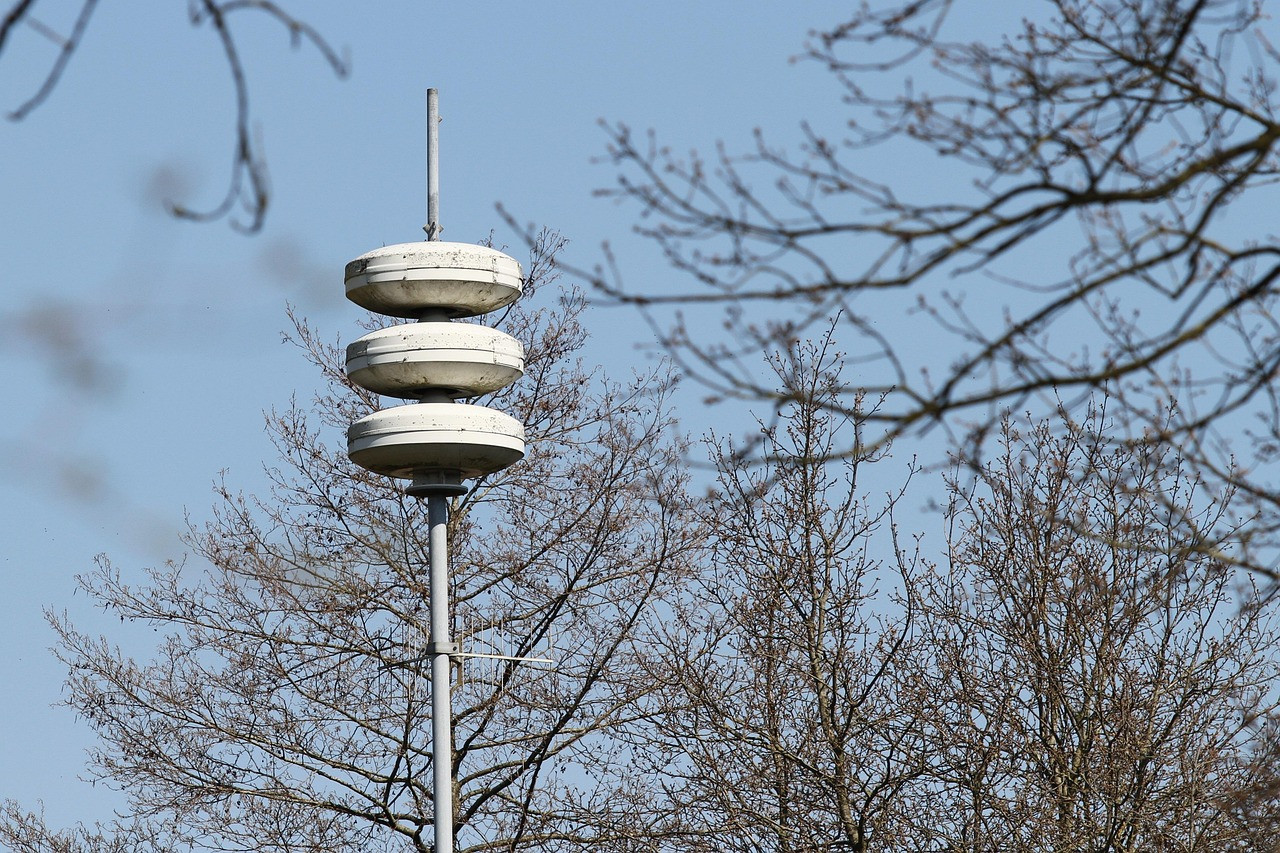
Representative image: Adadriaans / Pixabay
Hackers hit emergency alert apps in both Ukraine and Russia on the night of November 1, 2026, sending false nuclear, radiation and chemical warnings.
What Happened
Emergency alert apps in both Ukraine and Russia were hit by cyber-attacks on the night of Sunday, November 1, 2026, and sent people false warnings of nuclear, radiation and chemical attacks. In Ukraine, the Air Alert app run with the country's Air Force told users to take shelter from a "radiation threat" and a "chemical attack" and warned of street fighting in Kyiv before the service was suspended. The Air Force said on Telegram that the app appeared to have been subjected to "enemy influence" and stressed that there was no radiation threat. Hours later, Russia's Emergencies Ministry said hackers had gained access to its own mobile app and spread "false information", including messages claiming that nuclear warheads carried by Ukrainian drones had been launched.
Key Facts
- Both incidents took place late on November 1 and early on November 2, 2026.
- Ukraine's false alerts warned of radiation, a chemical attack and street battles in Kyiv; one message mentioned Russia's Oreshnik missile, according to screenshots shared by Ukrainian media.
- Ukraine's Centre for Strategic Communications blamed Russia in a post on X; Moscow did not accept responsibility.
- Ukraine's Digital Transformation Ministry temporarily disabled the app; sirens and other warning channels kept working, and a separate app for Kyiv worked normally.
- Russia's ministry said the attack did not affect its public alert system; a false alert went out in 33 of Russia's 89 regions, according to one wire report.
- One of the fake messages referred to a hacking group called Hitcore; no group has been officially confirmed as responsible.
- The attacks followed the end of a week-long truce in part of the Russian-occupied Kherson region.
Why It Matters
Alert apps have become a lifeline in the war. Ukrainians rely on them, alongside sirens, to know when to go to shelters during missile and drone attacks, and Russia's Emergencies Ministry uses its app to reach its own citizens. A false nuclear or chemical alert is among the most dangerous messages a hacker can send: it can cause panic, push people onto roads or into shelters for no reason, and, if repeated, teach people to ignore the next warning, which could be real.
The incidents show how the conflict is fought in software as well as on the battlefield. Ukraine's Air Force spokesman said the hacked app is separate from military command systems, so the attack did not affect the armed forces' operations. But the target appears to have been public trust rather than military capability. The fact that both sides' apps were hit within hours also raises questions that neither government has answered: whether one group was behind both attacks, whether the Russian incident was a response to the Ukrainian one, or whether both were hit through a shared weakness in commercial software.
The timing added to the alarm. The attacks came just as a rare week-long ceasefire in part of the Kherson region ended and Russia resumed attacks there, according to reports, at a moment when any sign of escalation is watched closely in Europe and beyond. For countries such as India that use mobile phone alerts for cyclones, floods and other disasters, the episode is a reminder that public warning systems need strong protection, because a single false message can reach millions of phones within seconds.
Peepals calculation: if the false Russian alert reached 33 of 89 regions, as one wire report said, it touched about 37% of the country's regions (33 ÷ 89 ≈ 0.37). The fake text itself claimed launches "across all regions", so the message's claim was nearly three times wider than its reported reach (89 ÷ 33 ≈ 2.7). Our calculation from the reported figures.
| Country | App hit | False warnings | Official response |
|---|---|---|---|
| Ukraine | Air Alert app | Radiation, chemical attack, street fighting in Kyiv | App suspended; Air Force says no radiation threat; Russia blamed |
| Russia | Emergencies Ministry app | Nuclear warheads launched by Ukrainian drones | Ministry says public alert system unaffected; no culprit named |
Impact
Short-term: Both governments have restored or are restoring their apps and urging citizens to rely on official channels. Investigators on each side will try to find how the hackers got in and whether any user data was taken.
Long-term: The attacks are likely to push both countries, and others watching, to harden public warning systems, add checks before mass alerts go out, and keep backup channels such as sirens and broadcast messages. They also add to the list of civilian systems being targeted as the war continues.
Who is affected: Millions of app users in Ukraine and Russia who received or could have received false alerts, emergency and civil defence services, and app developers responsible for public warning systems.
Key Takeaway
Cyber-attacks on November 1, 2026 made emergency apps in both Ukraine and Russia send fake nuclear and radiation alerts, with Kyiv blaming Moscow and no group yet confirmed as responsible.
Questions and Answers
What happened in the Russia cyber attack on alert apps?
On the night of November 1, 2026, hackers took control of emergency alert apps in both Ukraine and Russia and sent false warnings of nuclear, radiation and chemical attacks. Both governments said the alerts were fake.
Who was behind the hack of Ukraine's Air Alert app?
Ukraine's Centre for Strategic Communications blamed Russia. Russia did not accept responsibility and reported its own app had been attacked. One fake message mentioned a group called Hitcore, but no group has been officially confirmed.
Was there any real nuclear or radiation threat?
No. Ukraine's Air Force said there was no radiation threat, and Russia's Emergencies Ministry said the messages on its app were false information.
Did the hack affect military systems?
Ukraine's Air Force spokesman said the Air Alert app is separate from military command systems, so they were not affected; Russia said its public alert system was not affected either.
Disclaimer: Prepared by the Peepals newsroom from publicly available sources with AI assistance. Information is accurate to the best of our knowledge at the time of publication and may change. Images may be representative. Not professional advice. Report an error via our contact page.
By Rohan Saluja, Geopolitics EditorCovers Geopolitics and more for Peepals Global. All stories by Rohan Saluja
The Lives of Others: Keira Knightley's West End return wins strong reviews
Agility Robotics nears Nasdaq debut as AGLT after SPAC shareholder vote
Get the day's stories in your inbox
Peepals Weekly: the week decoded, free. One email a week, unsubscribe in one click.
Rohan Saluja is a pen name of the Peepals Global Editorial Team, which researches, fact-checks and publishes every story. The portrait is an illustration.