
TG SAFE suspends nine Warangal food units' licences, seizes 5,555 kg
 By Ishita SenCulture & Heritage Editor, Peepals Sanskriti
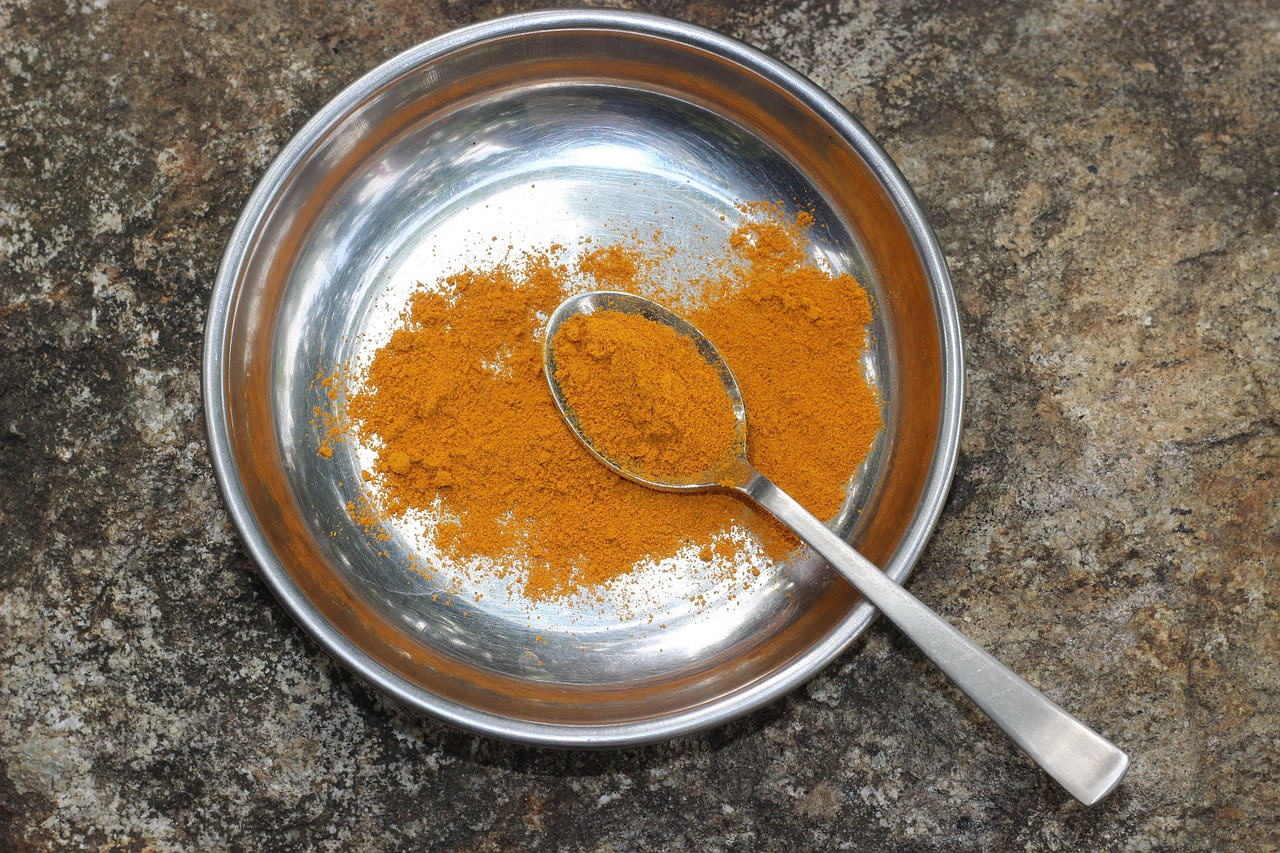
Representative image: Nikin / Pixabay
Telangana's TG SAFE suspended nine food makers' FSSAI licences after 29 October 2026 raids in the Warangal region found spoiled raw material and expired stock.
What Happened
Telangana's food safety wing, TG SAFE, suspended the Food Safety and Standards Authority of India (FSSAI) licences of nine food manufacturing units in the Warangal region after surprise inspections on Thursday, 29 October 2026. Ten special teams of food safety officers and police checked 20 units that make sweets, spices, edible oils, ginger-garlic paste, fennel seeds and ice cream, and seized about 5,555 kg of food articles worth about Rs 5.89 lakh. The nine units were told to stop production at once.
Key Facts
- Date of the drive: Thursday, 29 October 2026, as part of special inspections by TG SAFE, the Telangana food safety authority.
- Ten special teams, made up of food safety officers and police personnel, inspected 20 food manufacturing units.
- Nine units had their FSSAI licences suspended; one of them is Ramesh Industries, a fennel-seed unit where about 5,045 kg of suspect material was seized.
- About 5,555 kg of food articles, valued at about Rs 5,89,550, were seized or discarded.
- Officials collected 21 food samples on suspicion of adulteration for laboratory testing.
- Reported lapses included rotten potatoes kept for making chips, mouldy ginger, expired and mislabelled stock, pests, rodent droppings and rusted, unclean machinery.
- Other units received show-cause and improvement notices, and officials said they will reinspect the units before deciding further action.
Why It Matters
The products in this drive are everyday kitchen staples across Telangana and much of south India. Ginger-garlic paste is a base for many curries, fennel seeds are chewed after meals and used in masala blends, and sweets, chips and ice cream are bought by families for daily snacking and for festivals. When such items are made in unhygienic conditions, the risk does not stay inside one factory: it travels through wholesalers, small shops and restaurants to thousands of homes that have no way of checking how the food was made.
The findings described by officials are basic failures, not technical ones. Food businesses with an FSSAI licence are expected to keep records on pest control, staff health, water testing and food safety, and to store raw material and finished goods properly. According to the inspection reports, several units lacked these records, kept expired goods on their premises and used spoiled raw material. A suspension means the unit cannot legally make or sell food until the authority is satisfied that the problems have been fixed.
The drive also fits a pattern seen through the festive season. Food safety departments in several states, Telangana among them, have run repeated checks on sweet shops, dairy units and spice makers in October, when demand and the temptation to cut corners both rise. This Warangal action moved the focus from retail sweet shops in Hyderabad to small manufacturing units in a tier-2 region, which supply many of the shops and eateries further down the chain.
For readers who follow traditional food habits, the case is a reminder that homemade-style labels and familiar local brands are not a guarantee of safety. Spices, ghee and sweets carry deep cultural value in Indian kitchens, which is exactly why their purity matters. Simple checks help: buy packaged food that shows a valid FSSAI licence number, a clear manufacturer address, a batch number and a use-by date, and avoid loose products that look or smell unusual.
| Warangal drive at a glance | Figure |
|---|---|
| Units inspected | 20 |
| Licences suspended | 9 |
| Food seized or discarded | about 5,555 kg |
| Value of seized food | about Rs 5.89 lakh |
| Samples sent for testing | 21 |
Impact
Short-term: The nine suspended units must stay shut until officials reinspect them and accept that they meet food safety rules. Shops and eateries that bought from them may face shortages of some items, and traders in the region are likely to face closer questions about where their stock comes from.
Long-term: The results of the 21 laboratory tests will decide whether any unit faces further action for adulteration, beyond the hygiene lapses already found. Regular inspections of small manufacturers outside Hyderabad could push more units to keep proper records and improve storage, which is the main defence against contamination.
Who is affected: Families in Warangal and nearby districts who buy local sweets, spices, oils and pastes; retailers and restaurants supplied by the suspended units; workers at those units during the shutdown; and food business operators across Telangana, who can expect similar checks.
Key Takeaway
TG SAFE suspended nine food makers' licences in the Warangal region on 29 October 2026 after finding spoiled raw material, expired stock and poor hygiene, and sent 21 samples for adulteration tests.
Questions and Answers
Why did TG SAFE suspend the licences of nine food units in Warangal?
During surprise inspections on 29 October 2026, officials found lapses such as rotten potatoes for chips, mouldy ginger, expired and mislabelled food, pests, rodent droppings, rusted machinery and missing records on pest control, staff health and water testing. The nine units' FSSAI licences were suspended and they were told to stop production.
How much food was seized in the Telangana inspections?
Officials seized or discarded about 5,555 kg of food articles worth about Rs 5.89 lakh. Of this, about 5,045 kg of suspect material was found at one fennel-seed unit, Ramesh Industries.
What happens next for the suspended food units?
The units cannot make or sell food until the suspension is lifted. Officials said they will reinspect them to check whether the problems have been fixed, and further action will depend on those visits and on the results of 21 samples sent for adulteration tests.
How can consumers check if packaged food is from a licensed maker?
Look for a valid FSSAI licence or registration number on the pack, along with the manufacturer's name and address, a batch number and a use-by date. Avoid loose or unlabelled products, and report concerns to the state food safety department.
Disclaimer: Prepared by the Peepals newsroom from publicly available sources with AI assistance. Information is accurate to the best of our knowledge at the time of publication and may change. Images may be representative. Not professional advice. Report an error via our contact page.
By Ishita Sen, Culture & Heritage EditorCovers Culture & Heritage and more for Peepals Sanskriti. All stories by Ishita Sen
Get the day's stories in your inbox
Peepals Weekly: the week decoded, free. One email a week, unsubscribe in one click.
Ishita Sen is a pen name of the Peepals Global Editorial Team, which researches, fact-checks and publishes every story. The portrait is an illustration.