
Navratri vrat food goes online: Swiggy logs 1,794 sabudana dishes an hour
 By Devansh TiwariKnowledge Systems Writer, Peepals Sanskriti
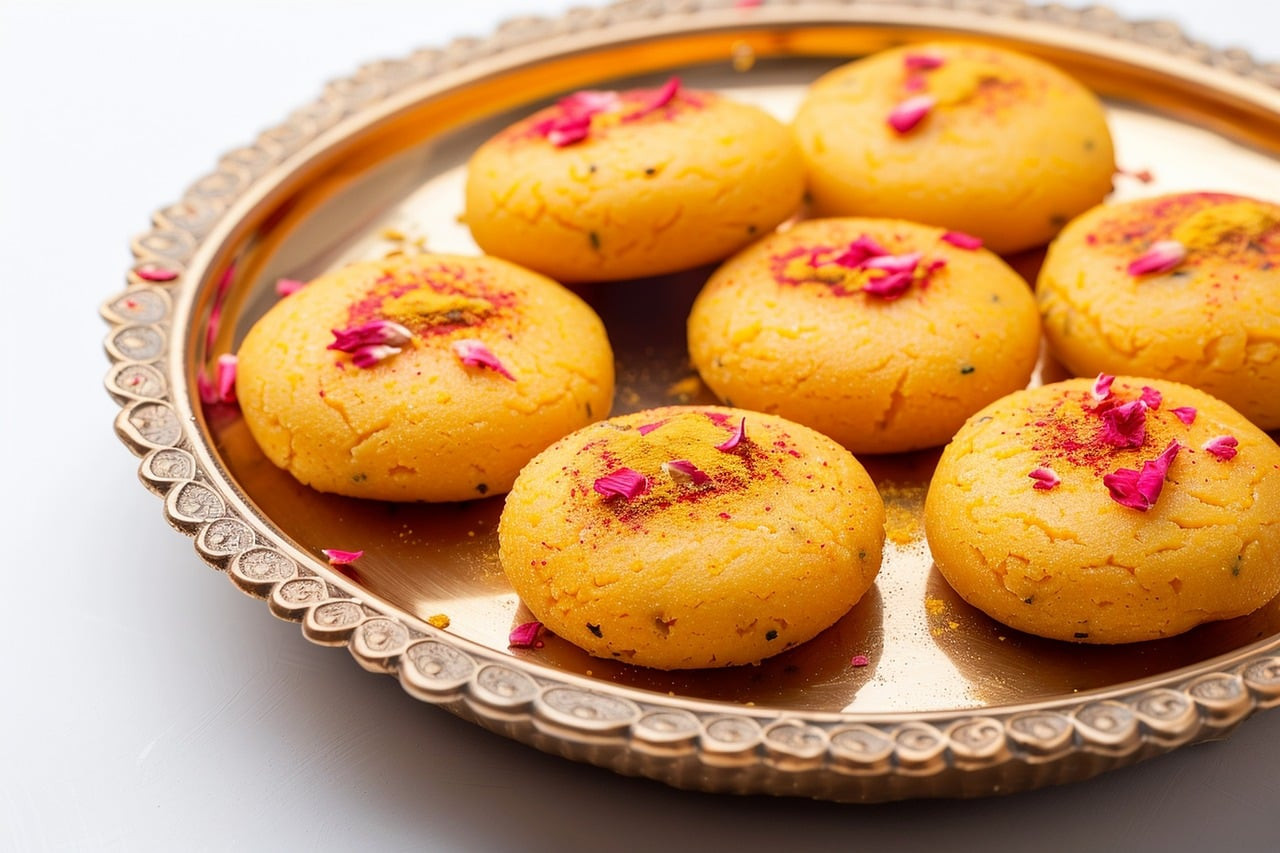
Representative image: kumarsu6745_ / Pixabay
Swiggy says sweet orders rose 36.4% over October 17-20, 2026 versus last year's festive window, and sabudana dishes hit about 1,794 orders an hour.
What Happened
Food delivery platform Swiggy says traditional sweet orders rose 36.4% during the last four days of Navratri and Durga Puja, October 17 to 20, 2026, compared with the matching festive window last year, and that fasting food was one of the weekend's biggest categories. According to the company's festive data, released this week, it delivered an average of 1,794 sabudana dishes an hour across India on October 17 and 18, the Ashtami weekend, while rasgulla was the most-ordered sweet at an average of 495 orders an hour over the four days.
Key Facts
- Period covered: October 17 to 20, 2026, the closing days of Navratri and Durga Puja, ending with Dussehra.
- Traditional sweet orders rose 36.4% compared with the same festive window in 2025, which fell on September 29 to October 2 last year.
- Sabudana (tapioca pearl) dishes averaged 1,794 orders an hour nationwide on October 17 and 18; sabudana khichdi and sabudana vada led.
- Other fasting foods in demand: vrat thalis and dishes made with singhara (water chestnut flour), kuttu (buckwheat flour) and rajgira (amaranth).
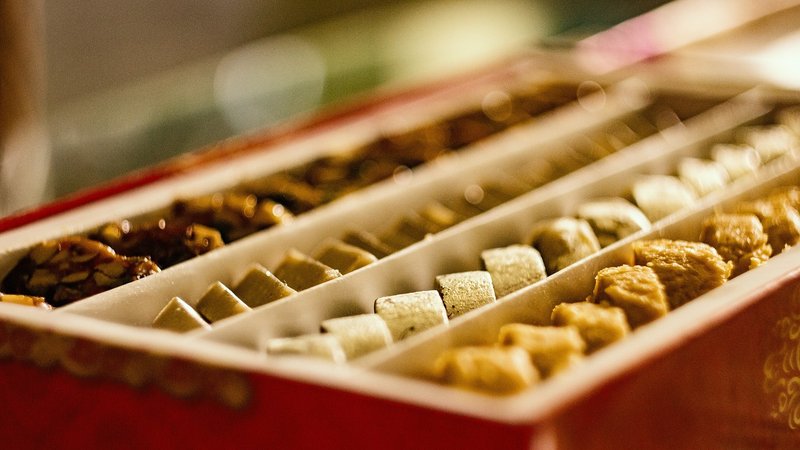
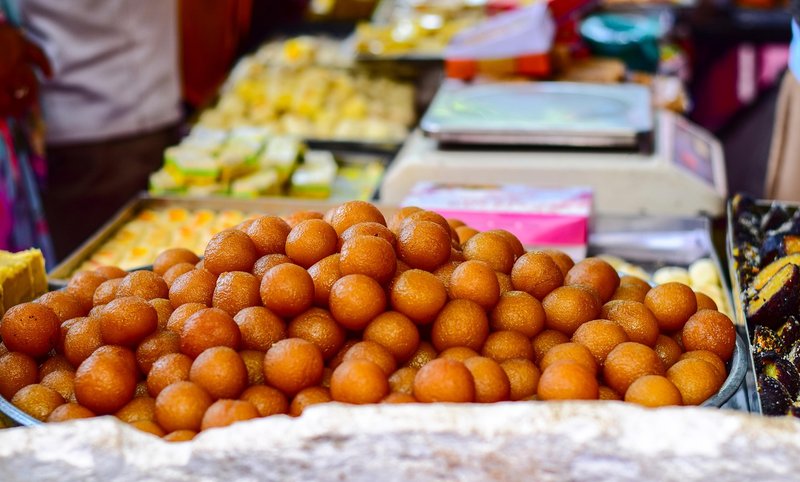
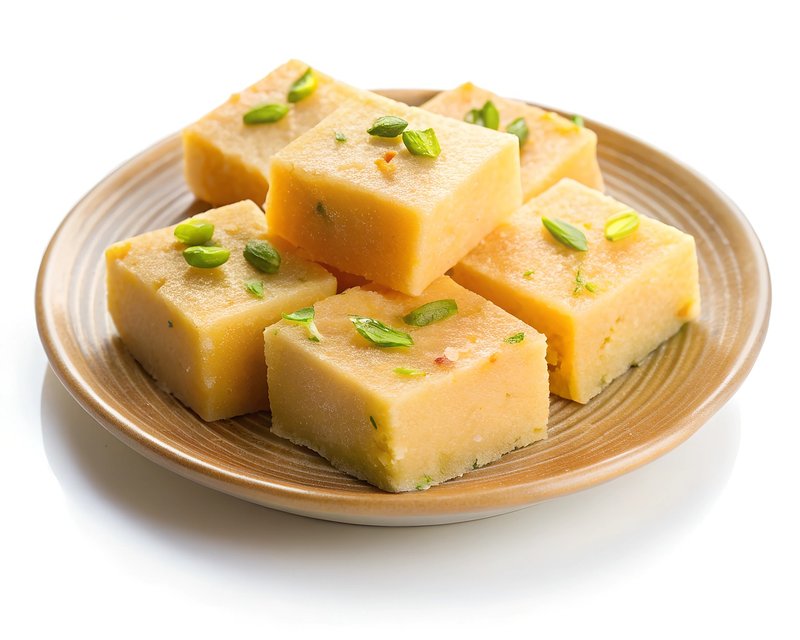
- Rasgulla was the top sweet at about 495 orders an hour, followed by gulab jamun, kaju katli, jalebi and rasmalai.
- Delhi, Mumbai and Gurugram led rasgulla demand; Patna, Dehradun and Jodhpur also showed strong sweet orders.
- Largest single orders reported by Swiggy: a vrat thali order worth Rs 11,072 in Noida, and a Rs 9,870 sweets order in Mumbai.
Why It Matters
Navratri fasting has its own food tradition. Many people who fast during the nine nights avoid ordinary grains such as wheat and rice and cook instead with ingredients considered suitable for the vrat, or fast, such as sabudana and kuttu, singhara and rajgira flours. The rules differ between families and regions, and are a matter of custom rather than a single fixed code.
What Swiggy's numbers show is that this tradition has moved online. Dishes that families once cooked at home in the days before a festival are now ordered from restaurants and cloud kitchens as ready vrat thalis and sabudana snacks. That matters for working households, for the restaurants that now prepare separate fasting menus, and for the cooks and small sweet shops that sell through apps.
The data also point to how sweets travel. In this festive window, the biggest demand for rasgulla came from Delhi, Mumbai and Gurugram, according to the company. Classic sweets such as gulab jamun, kaju katli and jalebi still made up most of the top list, alongside newer fusion items such as a coffee-flavoured rasgulla tiramisu.
Readers should keep the limits of these figures in mind. They are one company's own data, released by the company, and cover only four days. The 36.4% rise compares two windows that fell on different calendar dates in 2025 and 2026, because festival dates move with the lunar calendar, so it is a festive-period comparison, not a measure of how fast sweet sales grow over a full year. The company did not give total order numbers.
Swiggy festive data at a glance:
| Item | Figure |
|---|---|
| Sweet orders, Oct 17-20, 2026 vs 2025 festive window | Up 36.4% |
| Sabudana dishes, Oct 17-18 | About 1,794 an hour |
| Rasgulla orders, Oct 17-20 | About 495 an hour |
| Biggest vrat thali order | Rs 11,072, Noida |
| Biggest sweets order | Rs 9,870, Mumbai |
Impact
Short-term: With Diwali on November 8 and Chhath after it, sweet shops, restaurants and delivery platforms are preparing for a second, larger festive peak. Food safety departments in several states have already stepped up checks on sweets, khoya and ghee before Diwali.
Long-term: The steady rise of fasting menus and traditional sweets on apps suggests that heritage food habits are adapting to city life rather than fading. It may also encourage more restaurants to offer clearly labelled vrat food, which matters to people who fast strictly.
Who is affected: People who keep Navratri and other festival fasts, households that order festive food, restaurants and sweet makers that sell through delivery apps, and delivery workers during peak hours.
Key Takeaway
Swiggy's data for October 17 to 20, 2026 show traditional sweets up 36.4% on last year's festive window and sabudana dishes ordered at about 1,794 an hour, a sign that Navratri food traditions are now part of online ordering.
Questions and Answers
What did Swiggy's Navratri and Durga Puja 2026 data show?
Swiggy said traditional sweet orders rose 36.4% from October 17 to 20, 2026, compared with the same festive window in 2025. Sabudana dishes averaged about 1,794 orders an hour on October 17 and 18, and rasgulla was the top sweet at about 495 orders an hour.
Which fasting foods were most ordered during Navratri 2026?
Sabudana khichdi and sabudana vada led, followed by vrat thalis and dishes made with singhara, kuttu and rajgira flours, according to the company.
Is the 36.4% rise in sweet orders a year-on-year figure?
It compares the October 17-20, 2026 festive window with the matching festive window in 2025, September 29 to October 2. Because the dates differ, it measures the festival period, not growth over a full year.
Why do people eat sabudana and kuttu during Navratri fasts?
In many households, the Navratri fast means avoiding ordinary grains such as wheat and rice. By custom, ingredients such as sabudana, kuttu, singhara and rajgira are treated as suitable for the fast, though practices vary between families and regions.
Disclaimer: Prepared by the Peepals newsroom from publicly available sources with AI assistance. Information is accurate to the best of our knowledge at the time of publication and may change. Images may be representative. Not professional advice. Report an error via our contact page.
By Devansh Tiwari, Knowledge Systems WriterCovers Knowledge Systems and more for Peepals Sanskriti. All stories by Devansh Tiwari
Devansh Tiwari is a pen name of the Peepals Global Editorial Team, which researches, fact-checks and publishes every story. The portrait is an illustration.