
Diwali 2026 on November 8: why Lakshmi Puja times differ by panchang
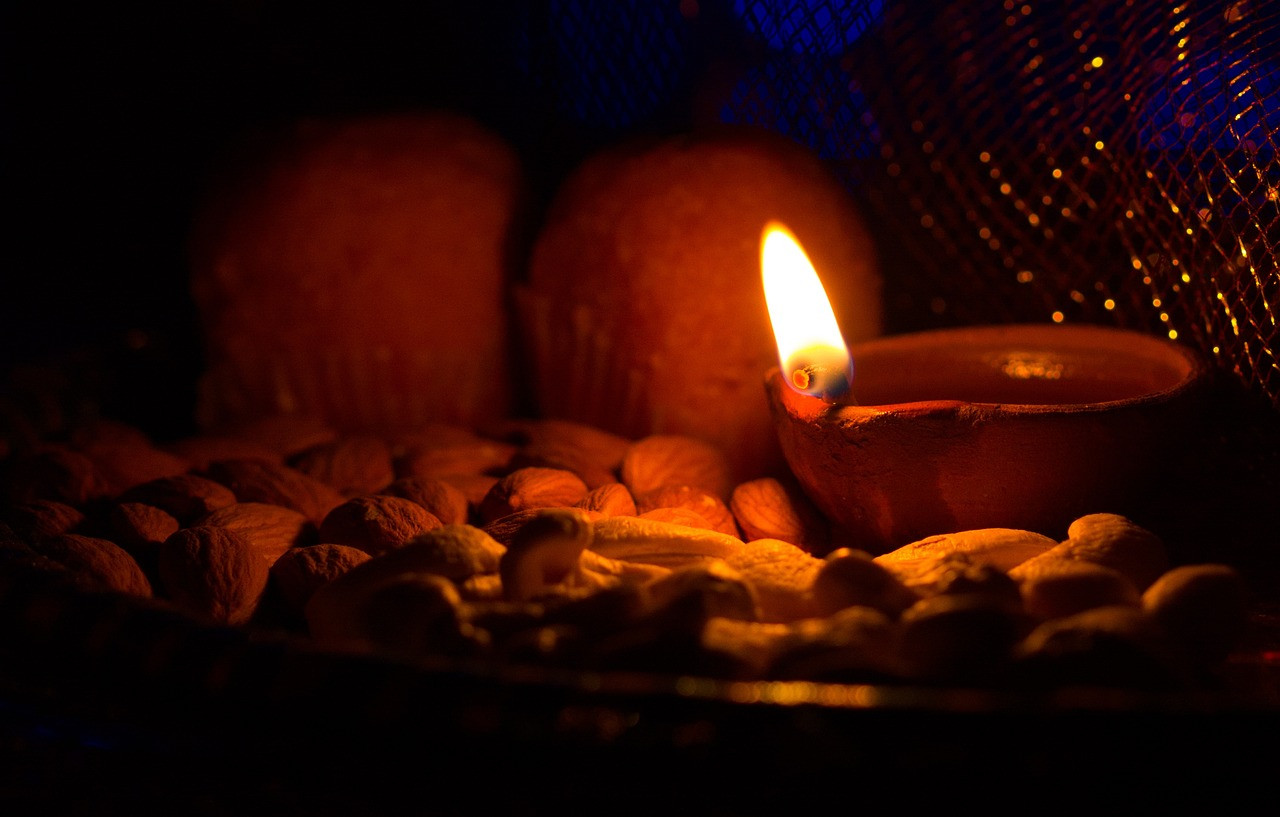
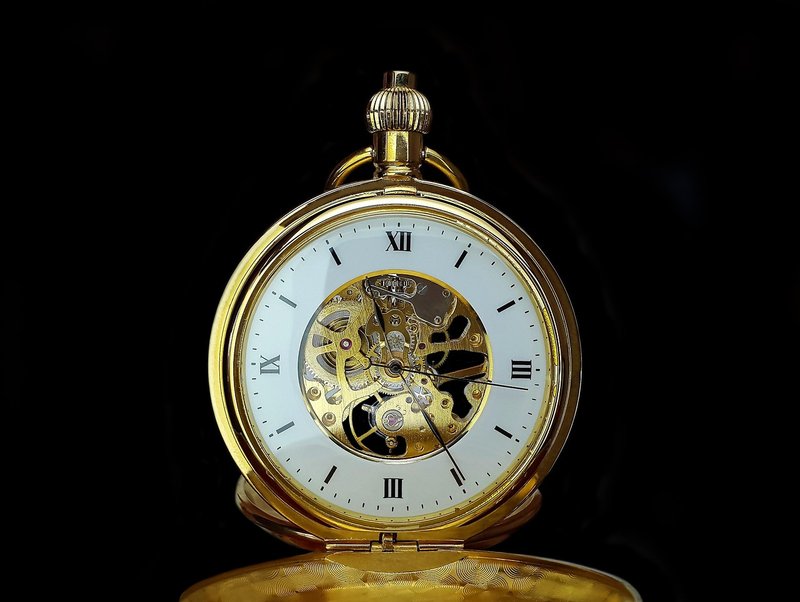
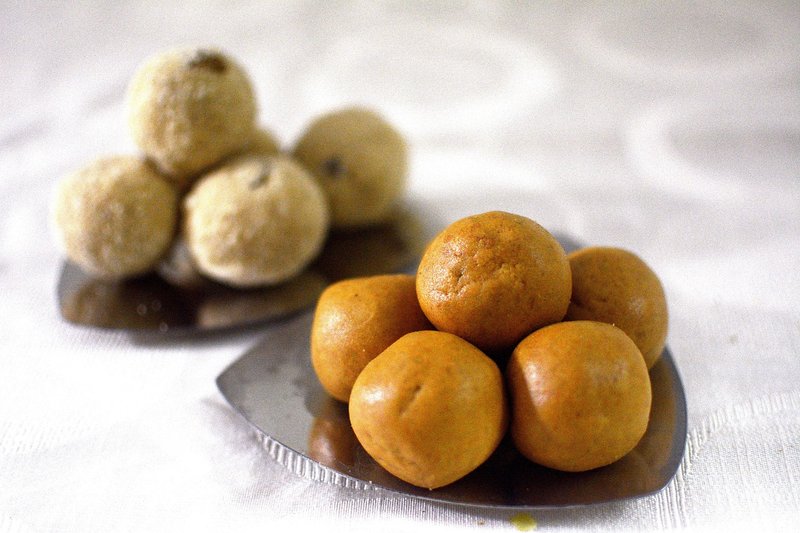
Representative image: Pexels / Pixabay
Diwali 2026 falls on Sunday, November 8, as Amavasya covers that evening's Pradosh Kaal; Lakshmi Puja windows differ by panchang and city.
What Happened
Diwali 2026 falls on Sunday, November 8, with Lakshmi Puja in the evening, according to the Drik Panchang calendar for New Delhi, which lists the main puja muhurat (auspicious window) as 5:54 pm to 7:50 pm inside a Pradosh Kaal of 5:31 pm to 8:09 pm. The Amavasya (new moon) tithi that defines the festival begins at 11:27 am on November 8 and ends at 12:31 pm on November 9. Other published panchangs agree on the date but give different puja windows, from 5:48 pm to 7:14 pm in one and roughly 6:29 pm to 8:29 pm in another.
Key Facts
- Diwali and Lakshmi Puja: Sunday, November 8, 2026.
- Amavasya tithi (New Delhi): 11:27 am on November 8 to 12:31 pm on November 9, per Drik Panchang.
- Pradosh Kaal (New Delhi): 5:31 pm to 8:09 pm on November 8, per Drik Panchang.
- Lakshmi Puja muhurat (New Delhi): 5:54 pm to 7:50 pm, per Drik Panchang; other calendars publish narrower or later windows.
- Dhanteras falls on Friday, November 6, and Choti Diwali (Naraka Chaturdashi) on Saturday, November 7, in most listings.
- Govardhan Puja and Bhai Dooj follow on November 9 and 10 in Drik-based listings; at least one calendar puts Bhai Dooj on November 11.
- All timings change with the city, because they depend on local sunset.
Why It Matters
Diwali is fixed not by the solar calendar but by the lunar one. It is celebrated on an Amavasya, the night of the new moon. A tithi is a lunar day: the time the moon takes to move 12 degrees away from the sun. Because the moon's speed varies, a tithi does not line up with the civil day and can start and end at any hour. That is why a festival can start in the late morning one day and end around noon the next.
The rule that decides which day is Diwali follows from when the puja is done. According to tradition, Lakshmi Puja is performed in Pradosh Kaal, the period that begins at sunset and lasts for about two and a half hours. The day on which Amavasya covers Pradosh Kaal is chosen. In 2026, Amavasya starts at 11:27 am on November 8, so it is running at sunset that day; by sunset on November 9 it has already ended. That makes November 8 the clear choice, with no confusion over two possible days.
Why, then, do calendars print different puja times? Each panchang applies its own rules for narrowing the window. Some pick the part of Pradosh Kaal that overlaps with Vrishabha Kaal, the period when the zodiac sign Taurus (Vrishabha) is rising on the eastern horizon, which traditional panchangs treat as a favourable fixed ascendant. Others use slightly different methods for computing sunrise, sunset and the rising sign, or a different reference city. The date stays the same, but the minutes move. Families who follow a particular tradition or temple usually rely on that tradition's own almanac.
There is also a practical point. Because timings depend on sunset, a family in Kolkata, where the sun sets earlier, and one in Ahmedabad, where it sets later, will have different windows on the same evening. Most panchang publishers provide city-wise tables for this reason.
| Day | Date (2026) | Observance |
|---|---|---|
| Friday | November 6 | Dhanteras |
| Saturday | November 7 | Choti Diwali (Naraka Chaturdashi) |
| Sunday | November 8 | Diwali, Lakshmi Puja |
| Monday | November 9 | Govardhan Puja (Drik-based listings) |
| Tuesday | November 10 | Bhai Dooj (Drik-based listings) |
Impact
Short-term: Households, temples, shops and businesses planning Lakshmi Puja can fix Sunday, November 8, and check the puja window for their own city.
Long-term: The difference between almanacs is a reminder that traditional time-keeping is a calculated system with its own rules, and that the rules, not just the results, are worth understanding.
Who is affected: Families across India and the diaspora celebrating Diwali; temple priests and panchang publishers; and travellers planning festival journeys.
Key Takeaway
Diwali 2026 is on Sunday, November 8, because the Amavasya tithi covers that evening's Pradosh Kaal; puja windows differ between panchangs and cities.
Questions and Answers
What is the date of Diwali 2026?
Diwali and Lakshmi Puja fall on Sunday, November 8, 2026. Dhanteras is on Friday, November 6, and Choti Diwali on Saturday, November 7.
What is the Lakshmi Puja muhurat on Diwali 2026?
For New Delhi, Drik Panchang lists 5:54 pm to 7:50 pm on November 8, within a Pradosh Kaal of 5:31 pm to 8:09 pm. Other calendars publish different windows, and timings change by city.
When does Amavasya begin and end for Diwali 2026?
In New Delhi, the Amavasya tithi begins at 11:27 am on November 8 and ends at 12:31 pm on November 9, 2026, according to Drik Panchang.
Why do different panchangs give different Lakshmi Puja times?
Each almanac uses its own rules to narrow the window within Pradosh Kaal, such as overlap with Vrishabha Kaal, and its own method and reference city for sunset and rising-sign calculations. The date stays the same; the exact minutes vary.
Disclaimer: Prepared by the Peepals newsroom from publicly available sources with AI assistance. Information is accurate to the best of our knowledge at the time of publication and may change. Images may be representative. Not professional advice. Report an error via our contact page.
Sourced and fact-checked by the Peepals Global Editorial Team
Chhath Puja 2026: why the November 15 arghya follows local sunset
Ghana recalls Franko Herbal Mixture after tests find hidden diazepam
Reported, fact-checked and published by the Peepals Global Editorial Team.