
Karwa Chauth 2026 on October 29: why moonrise times differ by city
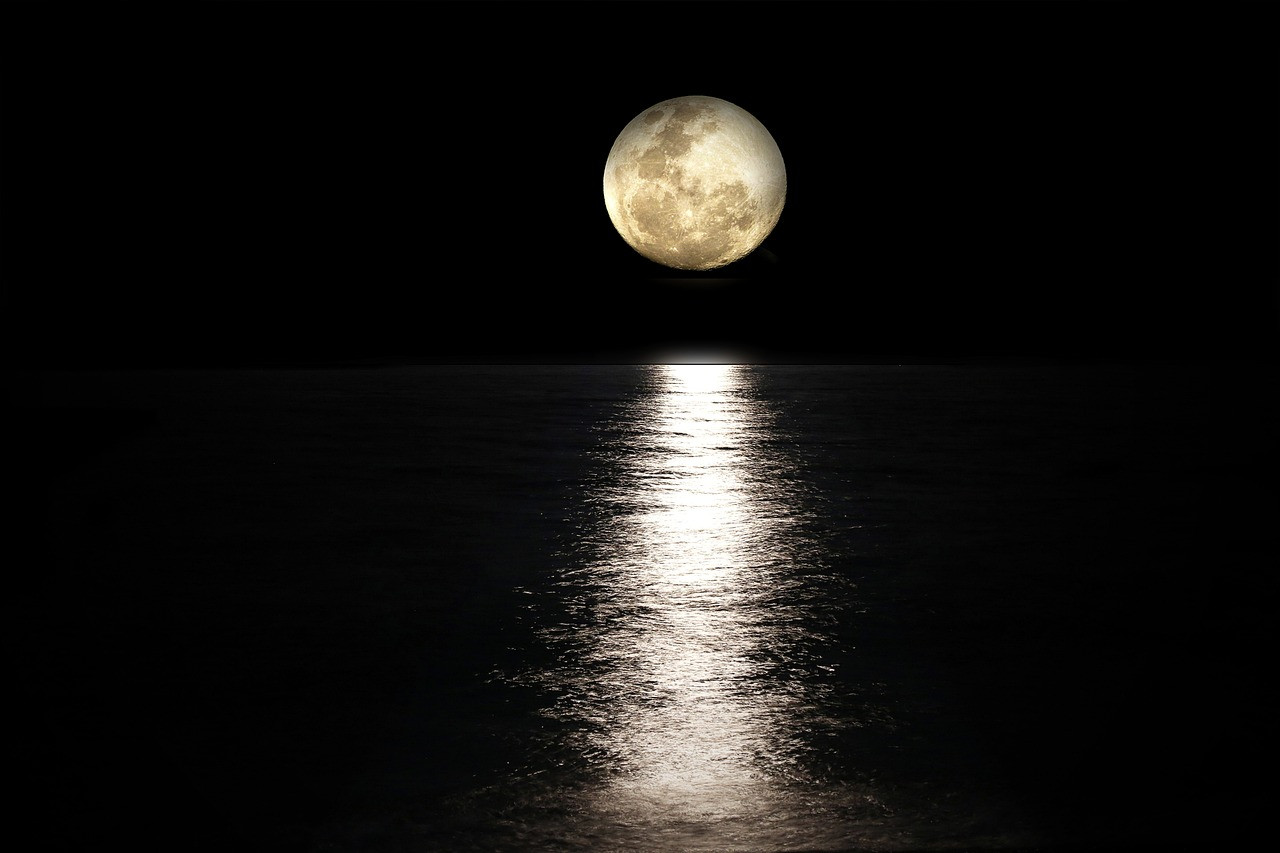
Representative image: photo-graphe / Pixabay
Karwa Chauth falls on October 29, 2026, with moonrise in Delhi at about 8.17 pm; the lunar tithi and local moonrise explain why timings differ by city.
What Happened
Karwa Chauth, the one-day fast kept by many married Hindu women in north and west India for their husbands' long life, falls on Thursday, October 29, 2026, according to widely used panchang calendars. The fast ends at moonrise, which panchang listings put at about 8.17 pm in New Delhi, with the Chaturthi tithi, the fourth lunar day of the waning fortnight of the month of Kartik, running from about 1.06 am to 10.09 pm that day. Because the fast is broken only after sighting the moon, the exact moonrise time differs from city to city, and some calendars list a different date for some places.
Key Facts
- Date: Thursday, October 29, 2026, in most Indian panchang listings.
- Lunar timing: Kartik Krishna Chaturthi, the fourth day after the full moon in the month of Kartik, by the purnimanta calendar used in north India.
- Chaturthi tithi: from about 1.06 am to 10.09 pm on October 29 (New Delhi listings).
- Moonrise in New Delhi: about 8.17 pm; some calendars give 8.12 pm.
- Moonrise elsewhere: about 7.42 pm in Kolkata and about 9.00 pm in Mumbai, according to city listings.
- Puja time: commonly listed as about 5.38 pm to 6.56 pm in New Delhi, with small differences between calendars.
- Outside India: some listings give October 28 for North America, because the tithi falls on a different local date there.
Why It Matters
Karwa Chauth is a festival in which tradition and astronomy meet. The date is not fixed on the solar calendar used for everyday life; it is set by the tithi, a lunar day defined by the angle between the Sun and the Moon as seen from Earth. Each tithi corresponds to the Moon moving 12 degrees ahead of the Sun, so tithis do not start and end at midnight and can vary in length. That is why a panchang gives exact start and end times for Chaturthi, and why the festival can fall on one date in India and a different date in another time zone.
The end of the fast depends on a second astronomical event: moonrise. The Moon rises at different times in different places, depending on longitude and latitude. Cities further east, such as Kolkata, see the Moon earlier than cities in the west, such as Mumbai. This explains the gap of more than an hour between the two cities on the same evening. Calendars may also differ by a few minutes, because they use slightly different methods for calculating moonrise, such as how they treat the height of the horizon and the bending of light by the atmosphere.
According to tradition, women keep the fast from sunrise to moonrise without food or water, eat a pre-dawn meal called sargi, gather for the evening puja and the telling of the Karwa Chauth story, and break the fast after viewing the moon, often through a sieve, and then their husband's face. These are matters of belief and custom, observed in different ways by different families and regions.
The festival is also a reminder of how deeply the Indian calendar system is tied to observation of the sky. The panchang, meaning "five limbs", tracks the tithi, the weekday, the nakshatra or lunar mansion, the yoga and the karana, all derived from the positions of the Sun and Moon. Calculating them accurately has been a part of Indian astronomy for centuries and remains so in modern calendar-making.
Impact
Short-term: Families preparing for October 29 will plan the sargi, puja and the evening wait for moonrise. People living outside Delhi should check a local panchang for their own city's moonrise time.
Long-term: Festivals such as Karwa Chauth keep alive the everyday use of the lunar calendar and the astronomical knowledge behind it, from the definition of a tithi to the prediction of moonrise.
Who is affected: women observing the fast and their families; temples and community groups organising the puja; markets for festive goods; and Indians abroad, for whom the date and moonrise can differ.
Key Takeaway
Karwa Chauth 2026 falls on Thursday, October 29, with moonrise in New Delhi at about 8.17 pm, but because the fast ends at moonrise, timings vary by city and calendar.
Questions and Answers
When is Karwa Chauth 2026?
Karwa Chauth falls on Thursday, October 29, 2026, according to most Indian panchang listings. Some calendars give October 28 for North America.
What is the moonrise time on Karwa Chauth 2026?
Listings put moonrise in New Delhi at about 8.17 pm, in Kolkata at about 7.42 pm and in Mumbai at about 9.00 pm. Check a local panchang for your city.
Why does moonrise time differ by city?
The Moon rises at different times depending on a place's longitude and latitude. Eastern cities see it earlier than western ones, and calendars may differ by a few minutes in how they calculate it.
What is a tithi?
A tithi is a lunar day, the time the Moon takes to move 12 degrees ahead of the Sun as seen from Earth. Karwa Chauth falls on the Chaturthi, or fourth, tithi of the waning half of Kartik.
Disclaimer: Prepared by the Peepals newsroom from publicly available sources with AI assistance. Information is accurate to the best of our knowledge at the time of publication and may change. Images may be representative. Not professional advice. Report an error via our contact page.
Sourced and fact-checked by the Peepals Global Editorial Team
Bijoya Dashami: Durga Puja ends with Sindoor Khela, immersions till October 24
AIIA Goa, Iowa's Maharishi International University sign MoU for Ayurveda chair
Reported, fact-checked and published by the Peepals Global Editorial Team.