
Jognakhera study: Harappan crop knowledge outlived the Indus cities
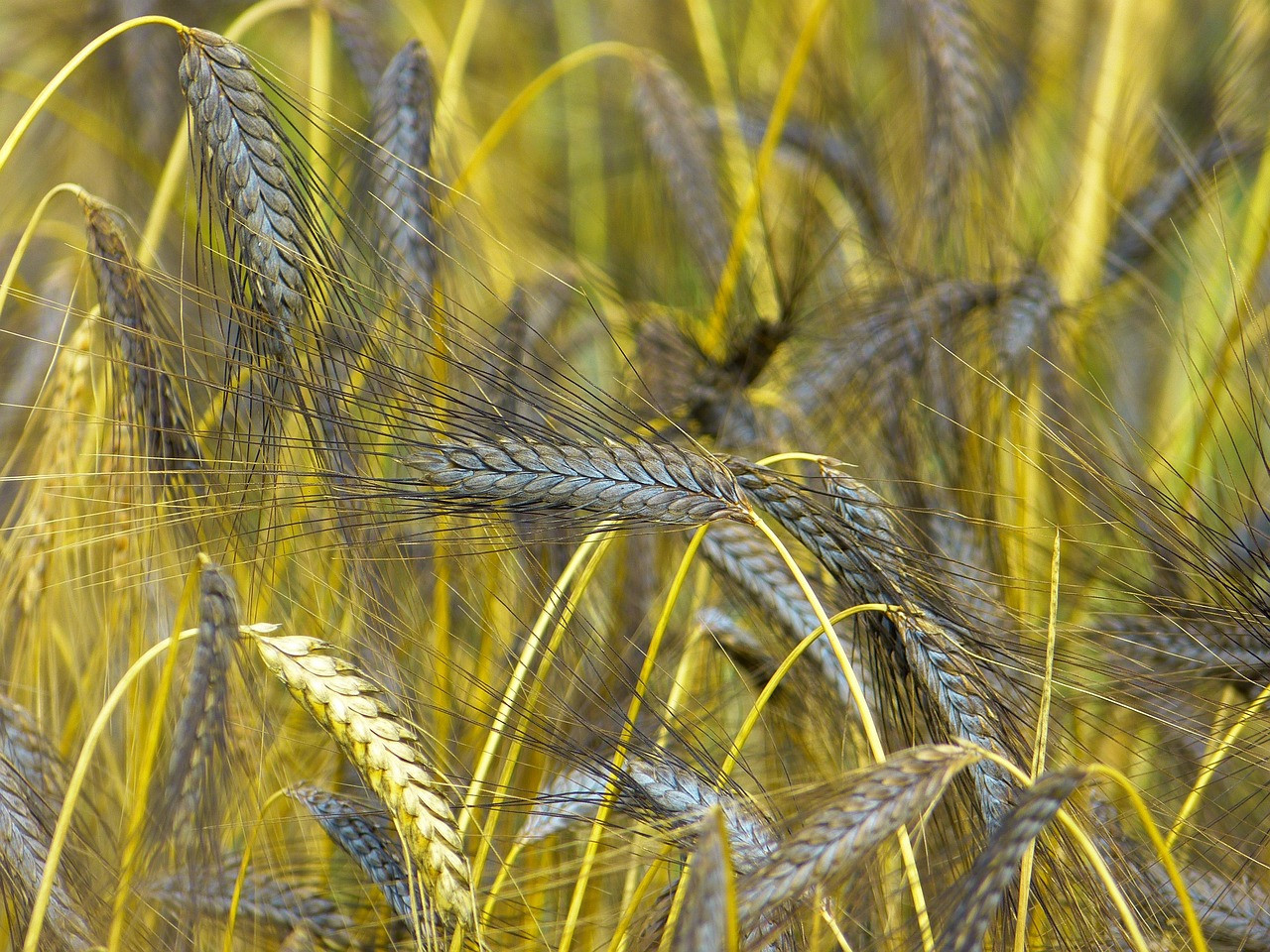
Representative image: LoggaWiggler / Pixabay
A 2026 study of plant remains from Jognakhera, Haryana, finds farmers kept Harappan winter and summer crops and rotated legumes after the Indus cities declined.
What Happened
A new study of ancient plant remains from Jognakhera, an archaeological site in Haryana's Kurukshetra district, suggests that farmers there kept growing the same mix of winter and summer crops that the Indus (Harappan) civilisation relied on, long after its great cities declined. The research, published in 2026 in the journal Vegetation History and Archaeobotany and discussed in a column this week, also found signs that these farmers rotated crops with legumes. The authors argue the evidence points to continuity in farming knowledge rather than a collapse.
Key Facts
- Site: Jognakhera, in Kurukshetra district, Haryana, within the Ghaggar river basin.
- Period: the study describes a Bara culture settlement dated to roughly 4,300 to 3,400 years before present, after a major drought phase that scientists call the Meghalayan stage.
- Method: researchers studied charred grains and seeds (macrobotanical remains) and directly dated crop remains from the site.
- Main finding: the remains are dominated by the "Indus crop package", including both winter crops and summer crops.
- Crop rotation: legumes appear in significant amounts alongside both winter and summer crops, which the authors read as a sign of crop rotation.
- Continuity: the site's crops and pottery resemble those of the upper Indus valley and of later Painted Grey Ware sites; occupation continued into the Painted Grey Ware period, about 1200 to 600 BCE, according to a summary of the work.
Why It Matters
The decline of the Indus cities, around four thousand years ago, is one of the great questions of South Asian history. A common explanation links it to long droughts that weakened farming and pushed people out of the big urban centres. Many accounts have then assumed that farming itself changed sharply, with communities switching to hardier crops such as millets to survive drier conditions.
The Jognakhera evidence complicates that picture. If farmers in the Ghaggar basin kept growing both winter and summer crops after the drought phase, it suggests that the farming system the Harappans had built was flexible enough to adapt. The commentary on the study noted that millets did not simply take over the existing crop mix. Growing two seasons of crops is the basis of the rabi and kharif cycle that Indian farmers still follow, so this kind of research helps trace how old that pattern may be.
The finding on legumes is also significant. Legumes, such as lentils and other pulses, return nitrogen to the soil. Growing them in rotation with cereals keeps fields fertile without modern fertilisers. If the authors' reading is correct, people in this region practised a form of soil management thousands of years ago that agricultural scientists still recommend today.
The study adds to a growing body of archaeological science, including plant remains, isotope analysis and dating methods, that is reshaping how researchers understand early Indian agriculture. It is a regional case study from one site, however, and it cannot by itself explain what happened across the whole of the vast Indus region. Its conclusions will be tested against evidence from other sites.
| Point | What the Jognakhera study suggests |
|---|---|
| Crops | Both winter and summer crops continued |
| Soil practice | Legumes indicate crop rotation |
| Millets | Did not replace the existing crop mix |
| Culture | Continuity with upper Indus valley and Painted Grey Ware sites |
Impact
Short-term: The study gives archaeologists and historians new data on farming after the urban Harappan phase, and it is likely to be cited in debates about how the civilisation's decline unfolded.
Long-term: Evidence of long-running crop rotation and two-season farming may help researchers trace the roots of India's agricultural traditions, and could inform discussions on how farming systems adapt to drought and climate change.
Who is affected: Archaeologists, historians and students of ancient India; heritage bodies in Haryana; and readers interested in how India's farming knowledge developed.
Key Takeaway
A 2026 study of plant remains from Jognakhera in Haryana suggests farmers kept the Harappan mix of winter and summer crops, and rotated them with legumes, long after the Indus cities declined.
Questions and Answers
What did the Jognakhera study find?
It found that farmers at Jognakhera, in Haryana's Kurukshetra district, continued to grow the Indus crop package of winter and summer crops after the decline of the Harappan cities, and that legumes in the remains suggest crop rotation.
Where and how old is the Jognakhera site?
Jognakhera is in Kurukshetra district, Haryana, in the Ghaggar river basin. The study describes it as a Bara culture settlement dated to roughly 4,300 to 3,400 years before present, with later occupation into the Painted Grey Ware period.
Did millets replace other crops after the Indus decline?
According to commentary on the study, the Jognakhera evidence suggests millets did not simply take over the existing crop mix. Farmers kept growing both winter and summer crops.
Does this study explain the fall of the Indus civilisation?
No. It is a case study of one site. It shows that farming practices continued there after the urban phase, but it does not by itself explain what happened across the whole Indus region.
Disclaimer: Prepared by the Peepals newsroom from publicly available sources with AI assistance. Information is accurate to the best of our knowledge at the time of publication and may change. Images may be representative. Not professional advice. Report an error via our contact page.
Sourced and fact-checked by the Peepals Global Editorial Team
Brazil's Anvisa restates ashwagandha supplement ban after UK liver case
Govardhan Puja 2026 on November 10: why the sunrise tithi decides
Reported, fact-checked and published by the Peepals Global Editorial Team.