
Chhath Puja 2026: why the November 15 arghya follows local sunset
 By Devansh TiwariKnowledge Systems Writer, Peepals Sanskriti
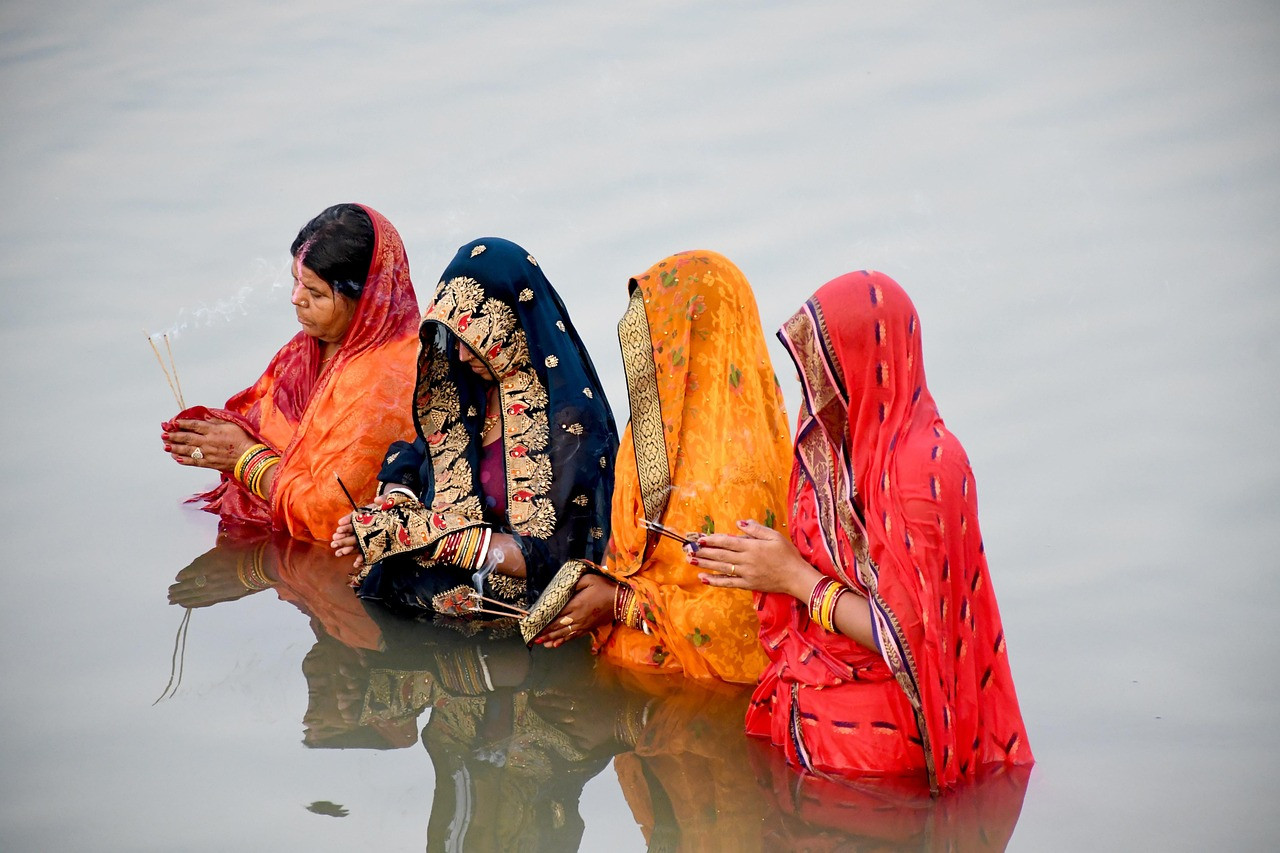
Representative image: psdgangcreatives / Pixabay
Chhath Puja 2026 runs November 13-16; the main evening arghya is at local sunset on November 15, about 5:01 pm in Patna and 5:28 pm in Delhi.
What Happened
Chhath Puja 2026 will be observed from Friday, November 13, to Monday, November 16, with the main Sandhya Arghya, the evening offering to the setting sun, on Sunday, November 15, according to published panchangs. Drik Panchang lists the Shashthi tithi (the sixth lunar day, which gives the festival its name) as running from 11:23 pm on November 14 to 2:00 am on November 16 for New Delhi, and sunset on the main day at 5:28 pm in Delhi. In Patna, where Chhath is celebrated on the largest scale, sunset that evening comes about half an hour earlier, at about 5:01 pm.
Key Facts
- Nahay Khay: Friday, November 13, 2026, the day of the ritual bath and a single pure meal.
- Kharna: Saturday, November 14, when the fast begins and is broken after sunset with kheer and roti.
- Sandhya Arghya: Sunday, November 15, at sunset, the main offering to the setting sun.
- Usha Arghya and parana (ending the fast): Monday, November 16, at sunrise.
- Shashthi tithi (New Delhi): 11:23 pm on November 14 to 2:00 am on November 16, per Drik Panchang; other almanacs give times within a few minutes of these.
- Sunset on November 15: about 5:28 pm in New Delhi and about 5:01 pm in Patna; a Kolkata-based panjika lists 4:49 pm.
- Sunrise in Patna on the morning of the Usha Arghya is listed at about 6:06 to 6:07 am.
Why It Matters
Chhath is unusual among Hindu festivals because its central rituals are tied directly to the sun's position, not to a muhurat (auspicious window) computed from the planets. Devotees, called vratis, stand in rivers, ponds or specially built tanks and make an offering to the setting sun on the evening of Shashthi, then return before dawn to make an offering to the rising sun the next morning. According to tradition, the festival is dedicated to Surya, the sun.
That makes the timing a matter of local astronomy. A tithi is defined by the moon's position relative to the sun, so it begins and ends at the same moment everywhere, though clocks in each place show that moment by Indian Standard Time. Sunset and sunrise, however, change with longitude and latitude. India uses a single time zone, so places in the east see the sun set earlier on the clock than places in the west. That is why Patna's evening arghya comes roughly half an hour before Delhi's, and why a Kolkata-based almanac lists an even earlier sunset.
For the 2026 festival, the Shashthi tithi covers the whole of Sunday, November 15, from before midnight on the 14th to after midnight on the 16th. That leaves no ambiguity: the evening of November 15 is the Sandhya Arghya, and the sunrise of November 16 the Usha Arghya. Almanacs differ only by a minute or two on the start and end of the tithi, depending on the method of calculation they follow.
Practical planning flows from this. Ghat committees, municipal bodies and police plan crowd management around local sunset and sunrise. Families travelling home to Bihar, Jharkhand and eastern Uttar Pradesh fix their journeys around the four days.
| City | Sunset on Nov 15 (approx.) | Source |
|---|---|---|
| New Delhi | 5:28 pm | Drik Panchang |
| Patna | 5:01 to 5:02 pm | Drik Panchang, city tables |
| Kolkata (panjika) | 4:49 pm | Bisuddha Siddhanta-based panjika |
Impact
Short-term: Vratis, families and ghat organisers can fix November 15 for the evening arghya and November 16 for the morning arghya, and check exact sunset and sunrise for their own city.
Long-term: The festival's reliance on actual sunset and sunrise shows how traditional calendars combine lunar dates with observed solar events, a system that still governs public planning for one of India's largest gatherings.
Who is affected: Chhath vratis and their families in Bihar, Jharkhand, eastern Uttar Pradesh, Delhi, Mumbai, Kolkata and the diaspora; ghat and temple committees; local administrations; and travellers heading home for the festival.
Key Takeaway
Chhath Puja 2026 runs from November 13 to 16, with the evening arghya at local sunset on November 15, about 5:01 pm in Patna and 5:28 pm in Delhi.
Questions and Answers
What are the dates of Chhath Puja 2026?
Nahay Khay is on Friday, November 13; Kharna on Saturday, November 14; Sandhya Arghya on Sunday, November 15; and Usha Arghya with parana on Monday, November 16, 2026.
What time is the Chhath Sandhya Arghya on November 15, 2026?
It is offered at local sunset. Published tables put sunset at about 5:01 pm in Patna and 5:28 pm in New Delhi; a Kolkata-based panjika lists 4:49 pm.
When does Shashthi tithi begin and end for Chhath 2026?
For New Delhi, Drik Panchang lists Shashthi from 11:23 pm on November 14 to 2:00 am on November 16, 2026. Other almanacs differ by a minute or two.
Why is the arghya time different in Patna and Delhi?
The arghya follows the actual sunset and sunrise, which depend on a city's location. Because India uses one time zone, eastern cities such as Patna see the sun set earlier on the clock than Delhi.
Disclaimer: Prepared by the Peepals newsroom from publicly available sources with AI assistance. Information is accurate to the best of our knowledge at the time of publication and may change. Images may be representative. Not professional advice. Report an error via our contact page.
By Devansh Tiwari, Knowledge Systems WriterCovers Knowledge Systems and more for Peepals Sanskriti. All stories by Devansh Tiwari
Ten healthy diets all linked to slower biological ageing, DZNE study finds
Diwali 2026 on November 8: why Lakshmi Puja times differ by panchang
Devansh Tiwari is a pen name of the Peepals Global Editorial Team, which researches, fact-checks and publishes every story. The portrait is an illustration.