Ovaries stay active for decades after menopause, study of 28 women finds
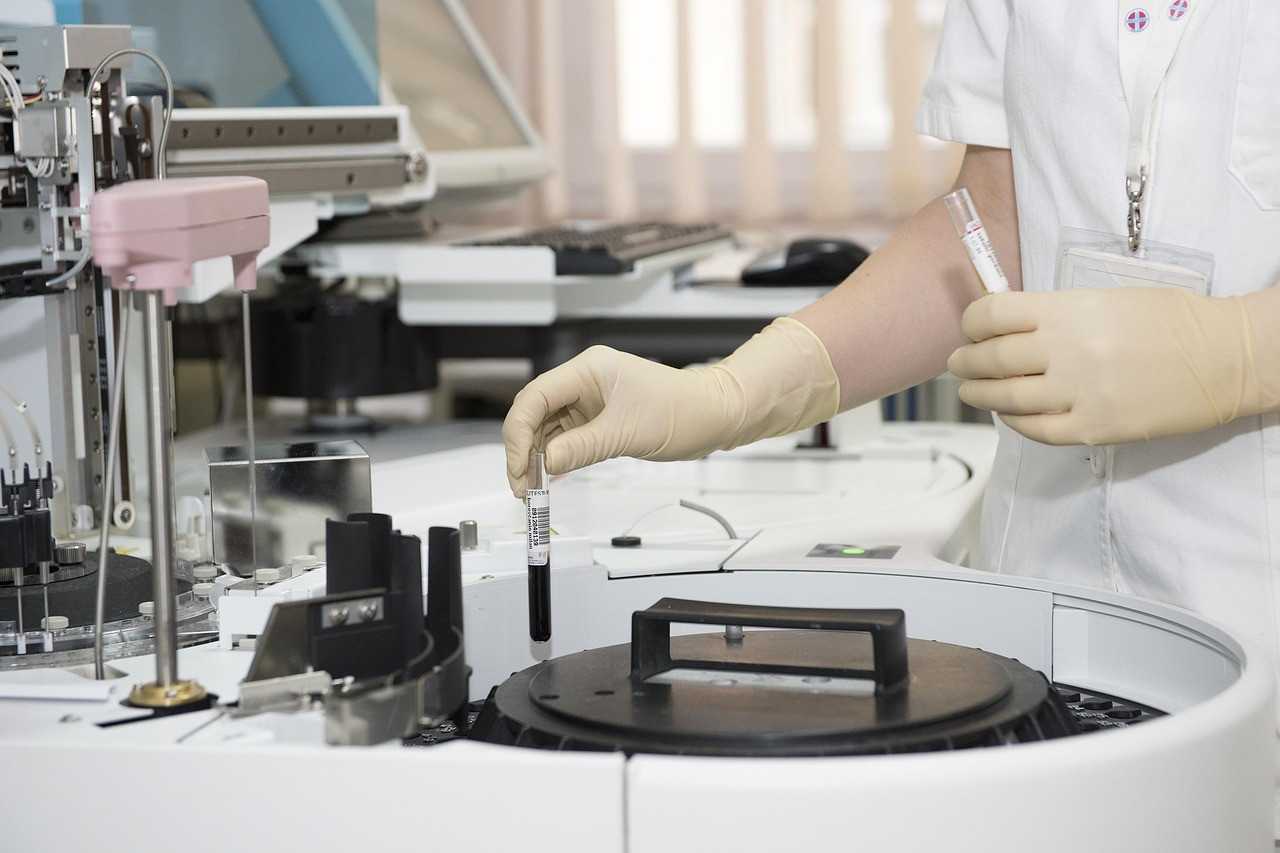
Representative image: DarkoStojanovic / Pixabay
A study published October 14, 2026 in Aging Cell finds postmenopausal ovaries keep remodelling for decades, with more inflammation with age and a molecular cancer link.
What Happened
The ovary does not simply switch off after menopause but keeps changing for decades, according to a study published on October 14, 2026, in the journal Aging Cell by researchers at Northwestern University and the Buck Institute for Research on Aging. The team analysed proteins in ovarian tissue from 28 postmenopausal women aged 50 to 75 and found that the tissue continues to remodel with age, with more signs of inflammation and immune activity in older women. The researchers also reported a molecular link between this ageing process and cancer, though they describe the work as an early, small study that shows associations rather than effects on health outcomes.
Key Facts
- Study: published in Aging Cell on October 14, 2026, by teams at Northwestern University and the Buck Institute for Research on Aging.
- Sample: ovarian tissue from 28 postmenopausal women aged 50 to 75.
- Measurement: 5,812 protein groups analysed; 117 proteins differed significantly between women aged 70 and over and women in their 50s.
- Pattern: younger postmenopausal ovaries carried more proteins linked to tissue structure and maintenance; older ones carried more markers of inflammation and immune activity.
- New tool: a 26-protein signature, named BuckPOMS, that tracks age-related remodelling and inflammatory signalling.
- Cancer link: older ovaries showed molecular patterns similar to cellular senescence, a state of ageing cells, and the study reports a molecular link between ovarian ageing and cancer.
Why It Matters
Menopause is often described as the point when the ovaries stop working. In terms of releasing eggs and producing the hormones of the reproductive years, that is largely true. But women live for decades after menopause, and this study suggests the ovary remains a living, changing organ throughout that time. Lead researcher Birgit Schilling said the levels of some proteins rise with age while others fall, showing active change rather than a fixed, retired organ.
The findings could matter for understanding cancers that arise later in life. The study's link between ovarian ageing, inflammation and cancer pathways gives researchers a starting point for studying cancer risk in the decades after menopause. The BuckPOMS protein signature may also become a tool for measuring how quickly the ovary is ageing, which researchers could use in future studies of prevention or of the effects of treatments such as hormone therapy.
The limits are important. Twenty-eight women is a small group, and tissue samples can only show what was happening at one moment, not how it changes in one person over time. The cancer link is molecular, not a measured increase in risk in patients. No woman should change her care because of this study alone.
| Item | Detail |
|---|---|
| Women studied | 28, aged 50-75 |
| Proteins measured | 5,812 protein groups |
| Proteins different with age | 117 |
| New marker set | BuckPOMS (26 proteins) |
Impact
Short-term: The study gives other teams a new protein marker set to test.
Long-term: If larger studies confirm the findings, doctors may one day be able to track ovarian ageing and inflammation to understand cancer risk better, and researchers may look at whether reducing inflammation in the ageing ovary has benefits.
Who is affected: Women in midlife and later, doctors who care for postmenopausal women, and researchers studying ageing and women's cancers.
Key Takeaway
A small October 14, 2026 study finds the ovary keeps remodelling for decades after menopause, with more inflammation in older women and a molecular link to cancer that larger studies now need to test.
Questions and Answers
Do ovaries stop working after menopause?
They stop releasing eggs, but a study published on October 14, 2026, in Aging Cell found that ovarian tissue keeps changing for decades, with protein levels rising or falling with age and more signs of inflammation in older women.
Who did the study on postmenopausal ovaries?
Researchers at Northwestern University and the Buck Institute for Research on Aging, who analysed tissue from 28 postmenopausal women aged 50 to 75.
Does this mean older women have a higher risk of ovarian cancer?
Not directly. The study found a molecular link between ovarian ageing and cancer pathways, but it did not measure cancer rates. Larger studies are needed.
What is BuckPOMS?
It is a set of 26 proteins identified in the study that tracks age-related remodelling and inflammation in the postmenopausal ovary.
Disclaimer: Prepared by the Peepals newsroom from publicly available sources with AI assistance. Information is accurate to the best of our knowledge at the time of publication and may change. Images may be representative. Not professional advice. Report an error via our contact page.
Sourced and fact-checked by the Peepals Global Editorial Team
Tirumala Garuda Seva tonight: two-wheelers barred as Navaratri festival peaks
Saddula Bathukamma on October 18: Tank Bund procession, timings and immersion points
Reported, fact-checked and published by the Peepals Global Editorial Team.