
Dev Uthani Ekadashi 2026 on November 20: why some calendars say 21
 By Devansh TiwariKnowledge Systems Writer, Peepals Sanskriti
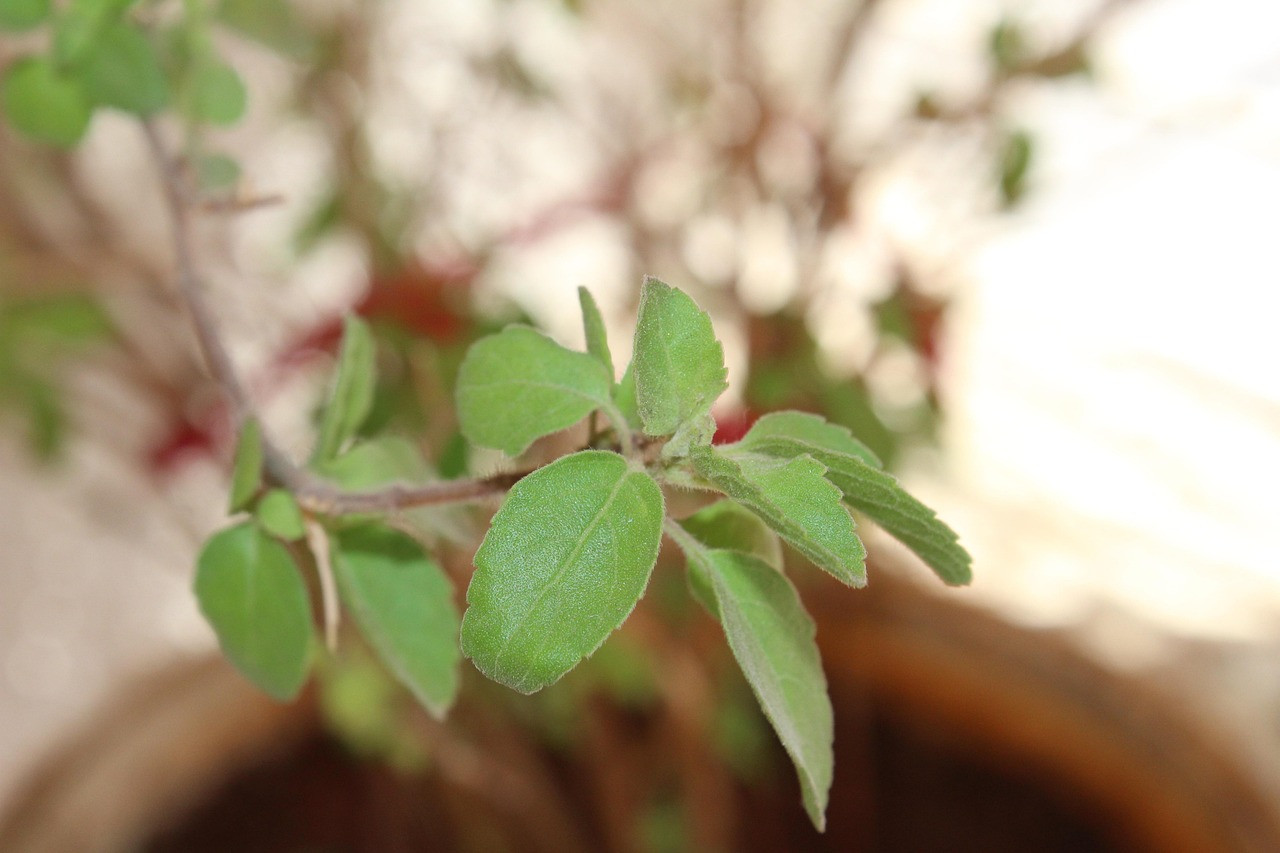
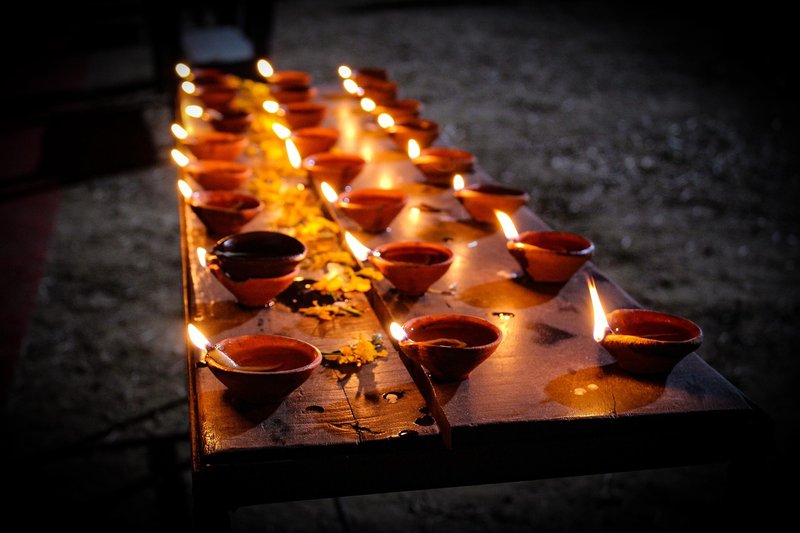
Representative image: avanq / Pixabay
Dev Uthani Ekadashi falls on November 20, 2026 in the Smarta calendar and November 21 in some Vaishnava ones, as the tithi runs from 7.16 am on Nov 20 to 6.32 am on Nov 21.
What Happened
Dev Uthani Ekadashi, also called Prabodhini Ekadashi, falls on Friday, November 20, 2026, according to the widely used Drik Panchang listing for the Smarta calendar, while some Vaishnava calendars mark it a day later, on Saturday, November 21. Panchang listings published for the festival put the Ekadashi tithi, the eleventh lunar day of the bright half of Kartik, from about 7.16 am on November 20 to about 6.32 am on November 21, Indian Standard Time. Many calendars place Tulsi Vivah, the ceremonial marriage of the tulsi plant, on Saturday, November 21.
Key Facts
- Festival: Dev Uthani Ekadashi, also known as Prabodhini Ekadashi or Devuthani Ekadashi, on the Shukla Paksha Ekadashi of the month of Kartik.
- Date in most listings: Friday, November 20, 2026 (Smarta calendar, as listed by Drik Panchang).
- Alternative date: Saturday, November 21, 2026, in some Vaishnava calendars.
- Tithi window: from about 7.16 am on November 20 to about 6.32 am on November 21, IST, according to published panchang listings.
- Fast-breaking (parana): on November 21, after sunrise, within the Dwadashi window, for those fasting on November 20.
- Tulsi Vivah: Saturday, November 21 in many calendars, though some families perform it on the evening of Ekadashi itself.
- Exact muhurat and parana times vary by city because they depend on local sunrise.
Why It Matters
In Hindu tradition, Dev Uthani Ekadashi marks the day Lord Vishnu is believed to awaken from four months of cosmic rest, known as yoga nidra. That period, called Chaturmas, begins on Devshayani Ekadashi in the month of Ashadha. According to tradition, many families avoid weddings, housewarmings and other major ceremonies during Chaturmas, so the end of this period is also seen as the start of the wedding season in many parts of India. These are matters of belief and custom, and practice differs between communities and regions.
The two dates in this year's calendars come from how the lunar and solar days fit together. A Hindu lunar day, or tithi, does not begin at midnight or at sunrise. It begins and ends at times set by the angle between the moon and the sun, so its length varies and it can start and finish at any hour. This year the Ekadashi tithi lasts a little over 23 hours, from about 7.16 am on November 20 to about 6.32 am on November 21. Because the window is shorter than a full day and close to sunrise at both ends, calendars that follow different rules on which day should carry the fast arrive at different answers. The Smarta listing settles on November 20; some Vaishnava calendars, which apply their own rules for Ekadashi, settle on November 21.
This is a common pattern in the festival calendar and a good example of how traditional timekeeping works. The panchang, the Hindu almanac, tracks five elements each day: the tithi, the weekday, the nakshatra or lunar mansion, the yoga and the karana. Festivals are tied to tithis rather than to fixed solar dates, which is why their Gregorian dates move each year and why a single tithi can be observed on different days in different traditions. For those who fast, the practical step is to follow the calendar of one's own tradition or family priest.
| Item | Date and time (IST, as listed) |
|---|---|
| Ekadashi tithi begins | November 20, 2026, about 7.16 am |
| Ekadashi tithi ends | November 21, 2026, about 6.32 am |
| Dev Uthani Ekadashi (Smarta, Drik Panchang) | Friday, November 20 |
| Some Vaishnava calendars | Saturday, November 21 |
| Tulsi Vivah (many calendars) | Saturday, November 21 |
Impact
Short-term: Families planning the fast, temple programmes and Tulsi Vivah ceremonies will need to choose between November 20 and November 21 based on their tradition, and check local parana times.
Long-term: The date also guides planning for the wedding season that, by custom, opens after Dev Uthani Ekadashi, affecting families, priests, caterers and venues.
Who is affected: Devotees who observe Ekadashi fasts, families performing Tulsi Vivah, temple trusts and priests, and households planning ceremonies after Chaturmas.
Key Takeaway
Dev Uthani Ekadashi falls on Friday, November 20, 2026 in the Smarta calendar and on November 21 in some Vaishnava calendars, because the Ekadashi tithi runs only from about 7.16 am on November 20 to about 6.32 am on November 21.
Questions and Answers
When is Dev Uthani Ekadashi in 2026?
Most listings, including Drik Panchang for the Smarta calendar, put it on Friday, November 20, 2026. Some Vaishnava calendars observe it on Saturday, November 21.
What are the Ekadashi tithi timings for Dev Uthani Ekadashi 2026?
Published panchang listings give the tithi from about 7.16 am on November 20 to about 6.32 am on November 21, Indian Standard Time.
When is Tulsi Vivah in 2026?
Many calendars place Tulsi Vivah on Saturday, November 21, 2026, though some families perform it on the evening of Ekadashi. Local practice varies.
Why do calendars show two different dates for the same Ekadashi?
A tithi is a lunar day that can start and end at any hour. This year the Ekadashi tithi is shorter than a full day, so traditions with different rules on which day should carry the fast choose different dates.
Disclaimer: Prepared by the Peepals newsroom from publicly available sources with AI assistance. Information is accurate to the best of our knowledge at the time of publication and may change. Images may be representative. Not professional advice. Report an error via our contact page.
By Devansh Tiwari, Knowledge Systems WriterCovers Knowledge Systems and more for Peepals Sanskriti. All stories by Devansh Tiwari
Plant-first international food pyramid built to fit local and vegetarian diets
Kashi Vishwanath begins daily Deepmala shringar at Saptarishi Aarti till Kartik Purnima
Get the day's stories in your inbox
Peepals Weekly: the week decoded, free. One email a week, unsubscribe in one click.
Devansh Tiwari is a pen name of the Peepals Global Editorial Team, which researches, fact-checks and publishes every story. The portrait is an illustration.