
ASI resumes Dronasagar dig in Kashipur; Shunga-Kushan brick found
 By Devansh TiwariKnowledge Systems Writer, Peepals Sanskriti
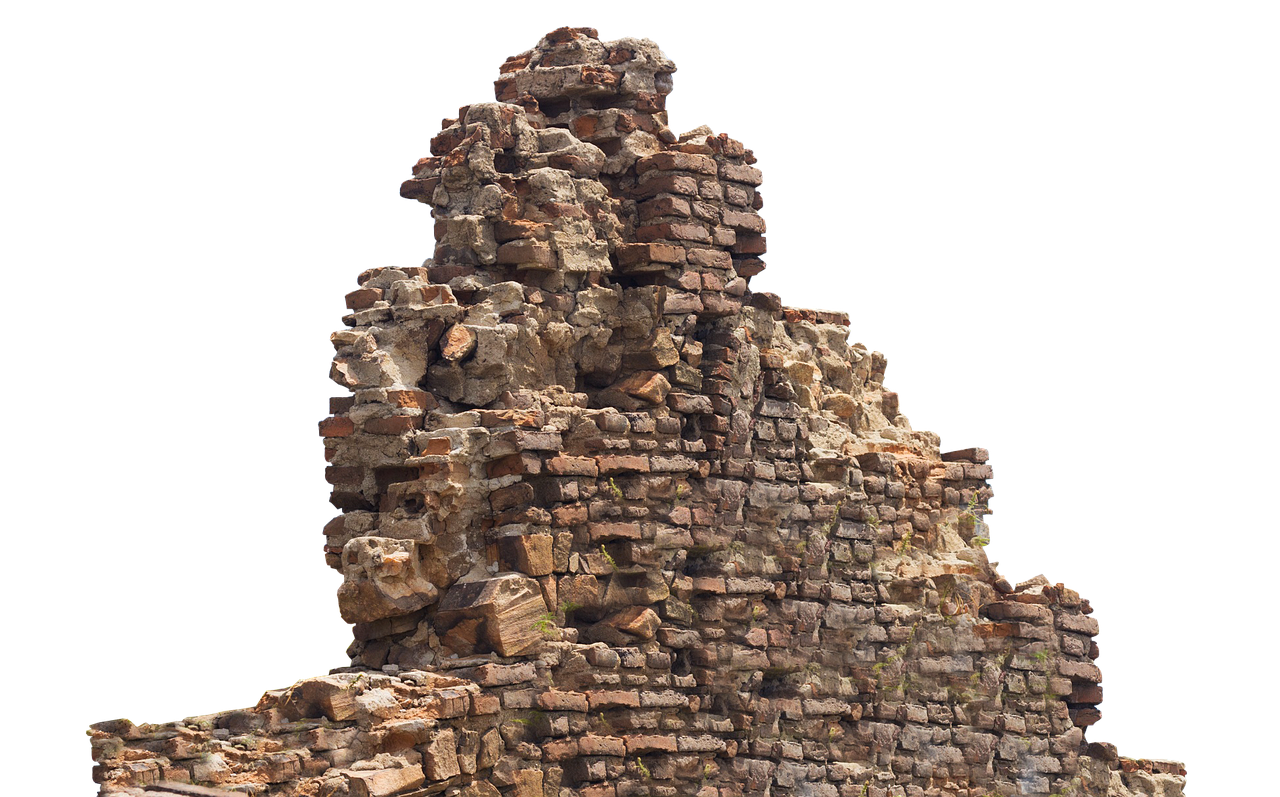
Representative image: Momentmal / Pixabay
The ASI has resumed digging at Kashipur's Dronasagar mound, linked by tradition to Dronacharya; a Shunga-Kushan brick was reported on 25 October 2026.
What Happened
The Archaeological Survey of India (ASI) has resumed excavation at the Dronasagar mound in Kashipur, in Uttarakhand's Udham Singh Nagar district, a site that local tradition links to Guru Dronacharya, the teacher of the Pandavas and Kauravas in the Mahabharata. In remarks reported on 25 October 2026, Mohan Chandra Joshi, Superintending Archaeologist (In-Charge) of the ASI's Dehradun Circle, said about 20 to 25 days of digging had been completed so far, with some breaks for rain. Early finds include a small brick of the Shunga-Kushan period and a circular brick structure that the team is provisionally treating as a well.
Key Facts
- The site is an ASI-protected monument officially named Govishan Tila Dronasagar, covering about 90 acres at Kashipur.
- Earlier excavations were carried out in 1939-40, 1965-66 and 1970-71, according to the ASI official's account; the 1965 work was led by Y.D. Sharma.
- ASI records describe pottery from the site ranging from the Painted Grey Ware culture to the early medieval period.
- Earlier digs exposed a raised platform first built of mud and bricks in the Gupta period, with walls added around the sixth or seventh century.
- The current finds are a small Shunga-Kushan brick and a circular brick structure at a higher level, provisionally identified as a well.
- The team aims to dig down to natural soil, the undisturbed ground below all human activity, to set out the site's full cultural sequence.
- The present phase is expected to run until March, after which the ASI will decide whether more digging is needed.
Why It Matters
Dronasagar sits at the meeting point of two ways of knowing the past. According to local tradition, the tank and mound mark the place where Dronacharya taught the princes of the epic. Archaeology asks a different question: what did people actually build, use and leave behind here, and when. The ASI's stated aim keeps these apart. The team is not setting out to prove the legend; it is setting out to record every layer of occupation, from the earliest to the latest, and let the dating speak.
That is why the goal of reaching natural soil matters. A mound like this grows over centuries as people build, abandon and rebuild. Each layer holds pottery, bricks and other objects that can be dated by their style and, where possible, by scientific methods. Digging through all of them gives a "cultural sequence", a timeline of who lived at the site and how their lives changed. Without the lowest layers, any claim about the site's age remains open.
The pottery already on record shows why the site draws interest. Painted Grey Ware is a style of fine grey pottery with black painted designs found across the Ganga-Yamuna plains and the wider north. Its presence is one reason the site is discussed alongside the epic, but archaeologists stress that finding remains of a particular culture does not by itself confirm that a specific event or person from the epic existed. Shunga-Kushan material, by contrast, belongs to the centuries around the turn of the Common Era, and Gupta-period construction comes later still, showing that the site was used over a very long span.
The site also has a place in written history. Historians link Kashipur to Govishana, the name by which it was known in the time of King Harsha (606-647 CE), and the British archaeologist Alexander Cunningham identified it with a place described in the travel accounts of the Chinese pilgrim Xuanzang. The ASI had earlier been reported to be preparing a plan to develop the 90-acre site for research and tourism.
| Period or culture | What the site has shown |
|---|---|
| Painted Grey Ware | Pottery recorded in earlier excavations |
| Shunga-Kushan | Small brick found in the current dig |
| Gupta | Raised platform of mud and brick |
| Sixth to seventh century | Walls added to the platform |
| Early medieval | Latest pottery recorded |
Impact
Short-term: The dig will continue through the coming months, and the circular structure will be exposed fully to confirm whether it is a well and from which period it comes.
Long-term: A full cultural sequence from top to natural soil would give the first complete timeline of Govishan Tila. That would help historians place Kashipur in the history of the Uttarakhand Terai, and give any future research and tourism plan a firm base in evidence.
Who is affected: Archaeologists and historians of early northern India; students of Indian knowledge traditions; the people of Kashipur, for whom the site is part of local identity; and pilgrims and tourists who visit Dronasagar.
Key Takeaway
The ASI's renewed dig at Kashipur's Dronasagar mound aims to record every layer down to natural soil, and so far has found a Shunga-Kushan brick and a circular brick structure, while the site's link to Dronacharya remains a matter of tradition.
Questions and Answers
What has the ASI found in the Dronasagar excavation at Kashipur so far?
In about 20 to 25 days of digging, the team found a small brick of the Shunga-Kushan period and, at a higher level, a circular brick structure that it is provisionally treating as a well.
Does the excavation prove the site was Dronacharya's ashram?
No. The link to Dronacharya comes from local tradition. Archaeologists say that finding remains of a particular culture, such as Painted Grey Ware pottery, does not on its own establish that a specific epic event or person existed. The dig aims to date the site's layers, not to prove a legend.
Why is the ASI digging down to natural soil?
Natural soil is the undisturbed ground beneath all human activity. Reaching it lets archaeologists record every layer of occupation and build a complete cultural sequence, or timeline, of the site.
How long will the Dronasagar dig continue?
The current phase is expected to run until March. After that, the ASI will decide whether further excavation is needed.
Disclaimer: Prepared by the Peepals newsroom from publicly available sources with AI assistance. Information is accurate to the best of our knowledge at the time of publication and may change. Images may be representative. Not professional advice. Report an error via our contact page.
By Devansh Tiwari, Knowledge Systems WriterCovers Knowledge Systems and more for Peepals Sanskriti. All stories by Devansh Tiwari
Kanchipuram temple chariot enters Dalit colony after 42 years
Kullu Dasehra 2026: Raghunath's rath, village deities and a first drone Ramayana
Get the day's stories in your inbox
Peepals Weekly: the week decoded, free. One email a week, unsubscribe in one click.
Devansh Tiwari is a pen name of the Peepals Global Editorial Team, which researches, fact-checks and publishes every story. The portrait is an illustration.