
Bhai Dooj on Wednesday, November 11 in India: tika times by city
 By Devansh TiwariKnowledge Systems Writer, Peepals Sanskriti
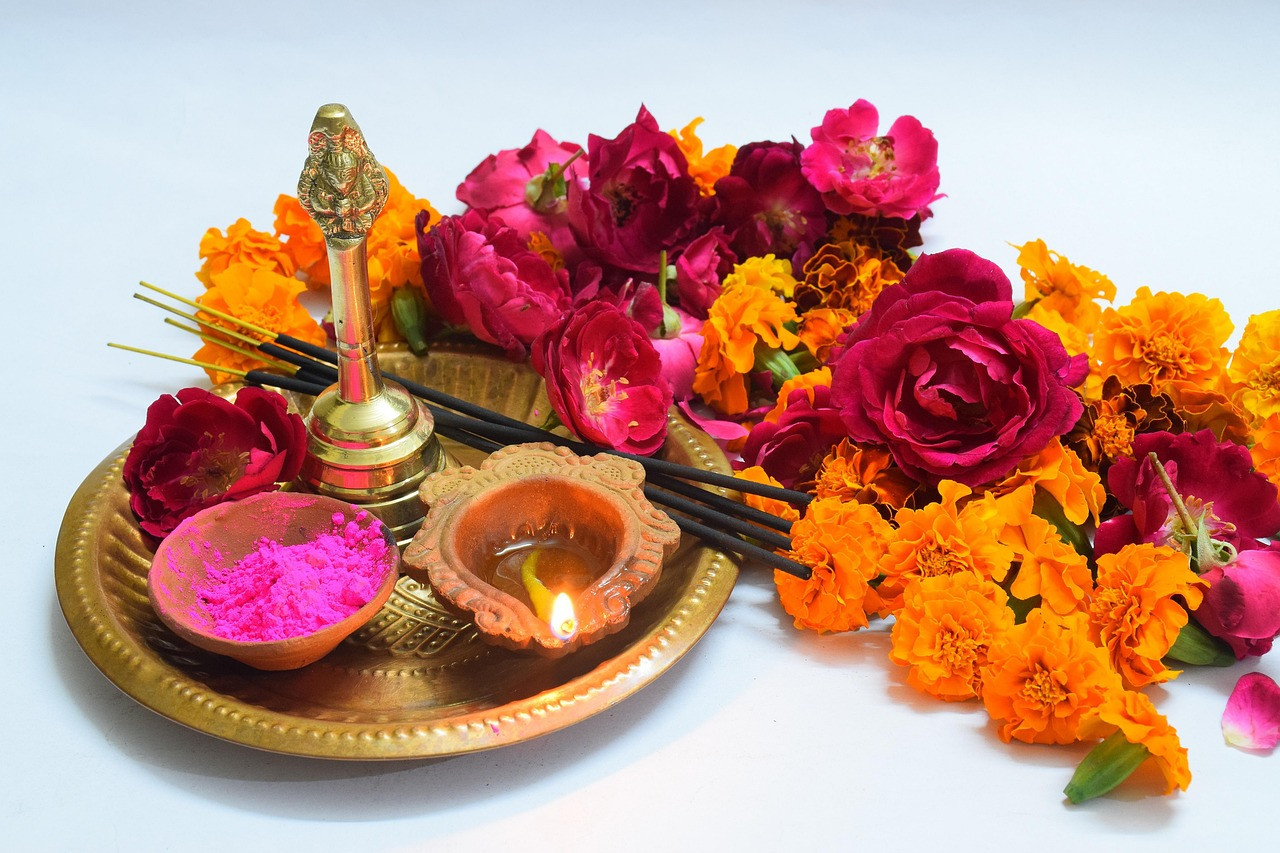
Representative image: RavendraSingh / Pixabay
Most panchangs place Bhai Dooj 2026 on Wednesday, 11 November, when Dwitiya tithi covers the whole afternoon tika window; some calculations and US cities say 10 November.
What Happened
Bhai Dooj, the festival on which sisters apply a tika to their brothers' foreheads and pray for their wellbeing, falls on Wednesday, 11 November 2026 in India, according to most widely used panchangs (Hindu almanacs). Drik Panchang gives the tika window, known as the aparahna or afternoon period, as 1:10 pm to 3:20 pm in New Delhi on that day. The Dwitiya tithi, the second lunar day of the bright fortnight of Kartika on which the festival is kept, begins at 2:00 pm on Tuesday, 10 November and ends at 3:53 pm on 11 November, by Drik Panchang's New Delhi reckoning. At least one almanac site, Samvat, gives 10 November instead, and several listings show 10 November for cities in North America and the UK.
Key Facts
- Date in India: Wednesday, 11 November 2026, in most panchangs; also called Yama Dwitiya.
- Dwitiya tithi (New Delhi): from 2:00 pm on 10 November to 3:53 pm on 11 November, according to Drik Panchang.
- Afternoon tika window on 11 November: about 1:10 pm to 3:20 pm in New Delhi (Drik Panchang; another almanac gives 1:09 pm to 3:19 pm).
- Other cities on 11 November, per Drik Panchang: Mumbai about 1:30 pm to 3:46 pm, Pune 1:26 pm to 3:42 pm, Jaipur 1:16 pm to 3:27 pm, Kolkata 12:27 pm to 2:41 pm.
- Abroad: listings show Tuesday, 10 November for cities such as Los Angeles and Austin in the US, and for the UK, Canada and the UAE; Sydney and Melbourne follow India's date.
- Differing calculation: the Samvat almanac site gives Tuesday, 10 November 2026 as the date for India.
Why It Matters
Every year families ask the same question: which day is Bhai Dooj? The answer lies in how the Hindu lunar calendar works. A tithi is a lunar day, measured by the changing angle between the Sun and the Moon, and its length varies; a tithi does not start at midnight or sunrise. So a single tithi can begin in the middle of one day and end in the middle of the next, and almanac makers need a rule to decide which civil day hosts the festival.
For Bhai Dooj, the deciding period is the afternoon, called aparahna in the almanacs, because the tika ceremony is traditionally done then. In 2026, Dwitiya begins at about 2:00 pm on 10 November in Delhi, part-way through that day's afternoon window. On 11 November, Dwitiya is in force for the whole afternoon window and ends only at 3:53 pm. Panchangs that apply the afternoon rule therefore place the festival on 11 November, when the tithi covers the entire tika period. The Samvat site's different answer, 10 November, shows that calculation methods can vary, which is why families often follow their own family priest or regional almanac.
Location matters too. Because the Sun rises and sets at different times across the world, the afternoon window moves, and the tithi's start and end fall at different local clock times. In Los Angeles, for example, Drik Panchang shows Dwitiya beginning just after midnight on 10 November, so the whole of that day's afternoon falls within Dwitiya and the festival is listed on 10 November. That is why diaspora families in the US, Canada and the UK will often mark the day a day earlier than relatives in India.
| City | Tika window on 11 November 2026 (Drik Panchang) |
|---|---|
| New Delhi | 1:10 pm to 3:20 pm |
| Mumbai | 1:30 pm to 3:46 pm |
| Kolkata | 12:27 pm to 2:41 pm |
| Jaipur | 1:16 pm to 3:27 pm |
Impact
Short-term: Families can plan visits and travel around Wednesday, 11 November in India; those abroad should check a panchang for their own city, which may show 10 November.
Long-term: Explaining the rule behind the date helps readers understand why festival dates shift from year to year and city to city, and why different almanacs sometimes disagree.
Who is affected: Families across India and the diaspora who mark Bhai Dooj, temple priests and almanac makers, and travellers planning trips home after Diwali.
Key Takeaway
Bhai Dooj 2026 falls on Wednesday, 11 November in India because Dwitiya tithi covers the whole afternoon tika window that day, while some calculations and overseas cities give 10 November.
Questions and Answers
What is the date of Bhai Dooj in 2026?
In India, most panchangs place Bhai Dooj on Wednesday, 11 November 2026. At least one almanac gives 10 November, and listings for cities in the US, Canada and the UK show Tuesday, 10 November.
What is the Bhai Dooj tika time in Delhi in 2026?
Drik Panchang gives the afternoon tika window in New Delhi as 1:10 pm to 3:20 pm on 11 November 2026. Mumbai's window is about 1:30 pm to 3:46 pm and Kolkata's about 12:27 pm to 2:41 pm.
Why is Bhai Dooj on 11 November and not 10 November in India?
Dwitiya tithi begins at about 2:00 pm on 10 November in Delhi, only part-way through the afternoon. On 11 November it covers the entire afternoon window, so panchangs that follow the afternoon rule choose that day.
When does Dwitiya tithi start and end for Bhai Dooj 2026?
According to Drik Panchang's New Delhi calculation, Dwitiya tithi begins at 2:00 pm on 10 November and ends at 3:53 pm on 11 November 2026. Times differ by location.
Disclaimer: Prepared by the Peepals newsroom from publicly available sources with AI assistance. Information is accurate to the best of our knowledge at the time of publication and may change. Images may be representative. Not professional advice. Report an error via our contact page.
By Devansh Tiwari, Knowledge Systems WriterCovers Knowledge Systems and more for Peepals Sanskriti. All stories by Devansh Tiwari
Maharashtra FDA seizes 43.56 tonnes of suspect food worth Rs 1.56 crore
Himachal Nutrition Policy 2026 puts traditional foods, millets at centre
Devansh Tiwari is a pen name of the Peepals Global Editorial Team, which researches, fact-checks and publishes every story. The portrait is an illustration.