
Kartik 2026 begins October 27: why amanta calendars start two weeks later
 By Devansh TiwariKnowledge Systems Writer, Peepals Sanskriti
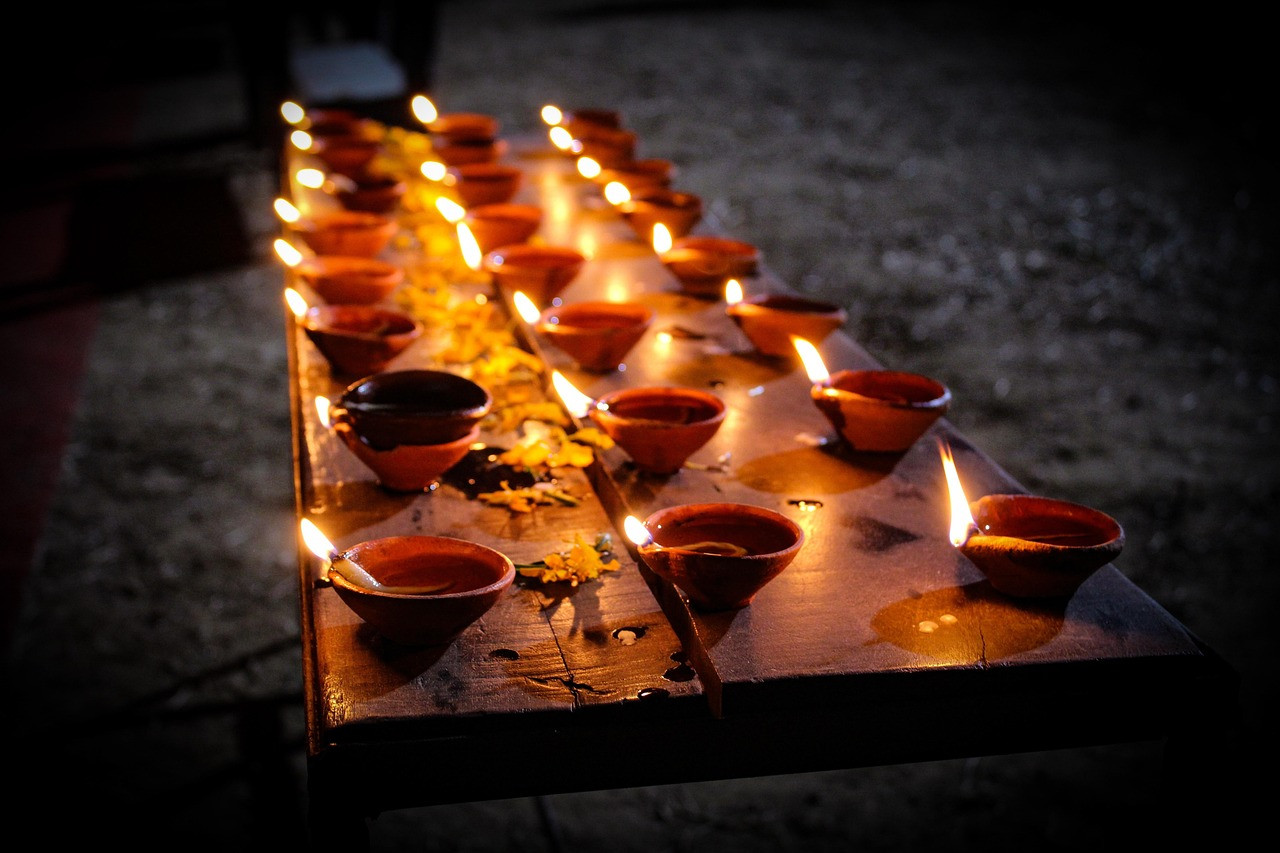
Representative image: vprthawait / Pixabay
Kartik begins on October 27, 2026 in North India's purnimanta calendar and on November 10 in the amanta calendar; Kartik snan starts on October 26.
What Happened
The Hindu month of Kartik begins on Tuesday, October 27, 2026, in the purnimanta calendar followed across most of North India, and runs to Kartik Purnima on Tuesday, November 24, according to published panchangs. The month-long Kartik snan, the ritual early-morning bath, starts a day earlier, on Sharad Purnima, Monday, October 26. In the amanta calendar used in Maharashtra, Gujarat and much of South India, Kartik does not begin until November 10, 2026, and ends on December 8 or 9. The two-week gap comes from a simple difference in where each calendar places the start of a lunar month.
Key Facts
- Purnimanta Kartik 2026: Tuesday, October 27, to Tuesday, November 24, according to North Indian panchangs.
- Kartik snan begins on Sharad Purnima, Monday, October 26, and continues until Kartik Purnima on November 24.
- Amanta Kartik 2026: November 10 to December 8 or 9, in calendars used in Maharashtra, Gujarat and the south.
- Dev Uthani (Prabodhini) Ekadashi falls on Friday, November 20, 2026, by the Smarta reckoning; some Vaishnava traditions may keep it a day later.
- Tulsi Vivah is listed for Saturday, November 21, 2026, on Kartik Shukla Dwadashi.
- Kartik Purnima's tithi runs from 11:42 pm on November 23 to 8:23 pm on November 24, so the main bath and Dev Deepavali fall on November 24.
Why It Matters
Every Hindu lunar month has two halves of about 15 days each: the waxing half, Shukla Paksha, which ends at the full moon (Purnima), and the waning half, Krishna Paksha, which ends at the new moon (Amavasya). The question is where the month begins. The purnimanta system, common in Uttar Pradesh, Bihar, Madhya Pradesh, Rajasthan and other northern states, ends each month on the full moon. The amanta system, common in Maharashtra, Gujarat, Karnataka, Andhra Pradesh and Telangana, ends each month on the new moon.
Because of this, the waxing half of a month carries the same name in both systems, but the waning half does not. The dark fortnight that a North Indian panchang calls the first half of Kartik is, in an amanta panchang, the second half of the month before, Ashwin. The festivals themselves fall on the same days; only the name of the month around them changes. This is why the same calendar date can be described as "Kartik Krishna" in Varanasi and "Ashwin Krishna" in Pune, and why the month appears to start about two weeks apart.
The dates this year show the effect clearly. Diwali, which panchangs place on November 8, 2026, falls inside the purnimanta Kartik that starts on October 27. Amanta calendars begin their Kartik only afterwards, on November 10. Both systems then share the bright fortnight that ends with Kartik Purnima: in purnimanta reckoning that full moon closes the month on November 24, while in amanta reckoning the month carries on for another fortnight to the new moon in early December.
According to tradition, Kartik is regarded as among the holiest months of the year. Devotees take an early bath, often in a river, light lamps (deep daan) in the evening, and worship the tulsi plant. Ekadashi in the bright half, known as Dev Uthani or Prabodhini Ekadashi, is believed by devotees to mark the god Vishnu waking from four months of rest, after which weddings and other ceremonies resume. These are matters of belief and practice, recorded in the panchangs and temple calendars, not scientific claims.
| Calendar | Kartik begins | Kartik ends |
|---|---|---|
| Purnimanta (most of North India) | October 27, 2026 | November 24, 2026 |
| Amanta (Maharashtra, Gujarat, South India) | November 10, 2026 | December 8 or 9, 2026 |
| Kartik snan (both) | October 26, 2026 | November 24, 2026 |
Impact
Short-term: Families and temples in the north begin the Kartik routine of early baths and evening lamps from October 26 and 27, while those following amanta calendars will mark the same month from November 10.
Long-term: Knowing which calendar a date comes from avoids confusion when relatives in different states, or diaspora families following different temple calendars, compare festival and fasting dates.
Who is affected: Devotees planning Kartik observances, temples and priests setting their calendars, pilgrims heading to river ghats for Kartik Purnima and Dev Deepavali, and anyone trying to match a festival date across regional panchangs.
Key Takeaway
Kartik 2026 starts on October 27 in North India's purnimanta calendar and on November 10 in the amanta calendar, because one ends each month at the full moon and the other at the new moon, though the festivals fall on the same days.
Questions and Answers
When does Kartik month start in 2026?
In the purnimanta calendar followed in most of North India, Kartik runs from Tuesday, October 27, to Tuesday, November 24, 2026. In the amanta calendar used in Maharashtra, Gujarat and South India, it runs from November 10 to December 8 or 9.
When does Kartik snan begin in 2026?
According to panchangs, Kartik snan begins on Sharad Purnima, Monday, October 26, 2026, and continues until Kartik Purnima on November 24.
Why do North and South Indian calendars give different dates for Kartik?
The purnimanta calendar ends each lunar month at the full moon, while the amanta calendar ends it at the new moon. The waning fortnight therefore belongs to different months in the two systems, so the month seems to start about two weeks apart, even though festival days are the same.
When are Dev Uthani Ekadashi and Kartik Purnima in 2026?
Dev Uthani Ekadashi falls on Friday, November 20, 2026, by the Smarta reckoning, with some Vaishnava traditions keeping it a day later. Kartik Purnima, and Dev Deepavali, fall on Tuesday, November 24.
Disclaimer: Prepared by the Peepals newsroom from publicly available sources with AI assistance. Information is accurate to the best of our knowledge at the time of publication and may change. Images may be representative. Not professional advice. Report an error via our contact page.
By Devansh Tiwari, Knowledge Systems WriterCovers Knowledge Systems and more for Peepals Sanskriti. All stories by Devansh Tiwari
Delhi destroys 922 kg of sweets, khoya in pre-Diwali food raids
Chhath Puja 2026: Delhi, Patna race to ready ghats before November 15
Devansh Tiwari is a pen name of the Peepals Global Editorial Team, which researches, fact-checks and publishes every story. The portrait is an illustration.