
Psyllium, resistant starch blend reshapes gut bacteria in IBS trial
 By Devansh TiwariKnowledge Systems Writer, Peepals Sanskriti
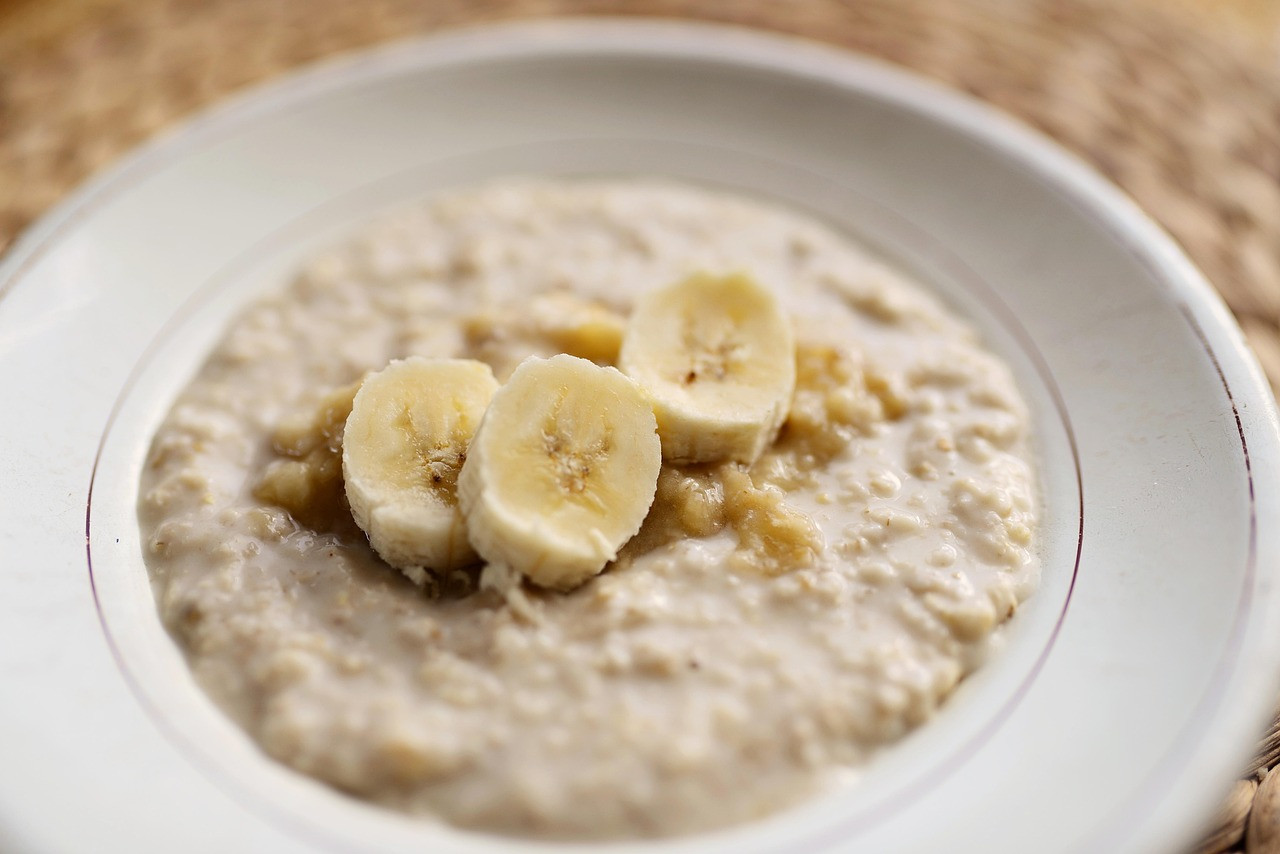
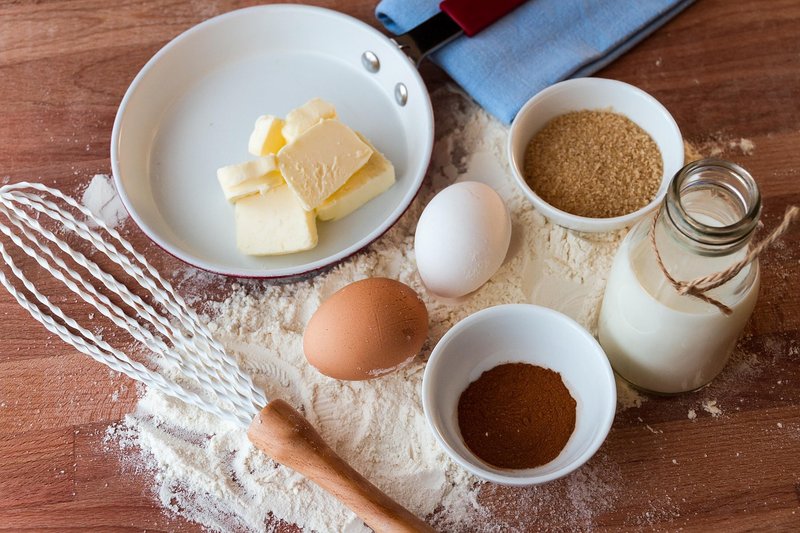
Representative image: congerdesign / Pixabay
An Edith Cowan University trial of 26 people with IBS, reported October 21, 2026, found a psyllium and resistant starch blend changed gut bacteria without worsening symptoms.
What Happened
A small trial by researchers at Edith Cowan University in Australia has found that a fibre blend of resistant starch and psyllium husk, the seed husk known in Indian homes as isabgol, changed the gut bacteria of people with irritable bowel syndrome (IBS) without making their symptoms worse. The results were published in the European Journal of Nutrition and reported by the university on October 21, 2026. The 26 adults in the study were already following a low-FODMAP diet, a restrictive eating plan widely used to ease IBS.
Key Facts
- The randomised, double-blind trial involved 26 adults with IBS, three of them men, and ran for three weeks.
- All participants were already on a low-FODMAP diet, which cuts out certain fermentable sugars found in foods such as wheat, onion, garlic, some fruits and pulses.
- One group took a commercial blend sold as ur gut, which combines high-amylose resistant starch with psyllium husk; the comparison group took a placebo that, according to reports, contained maize flour and psyllium husk.
- The dose was built up gradually from 5 grams to 40 grams a day.
- The blend changed the overall make-up of gut bacteria; one group of starch-digesting microbes, Ruminococcus, rose about 5.5 times.
- IBS symptoms such as pain, bloating, diarrhoea and constipation stayed stable in both groups: they did not get worse, but they also did not improve significantly compared with placebo.
- People taking the blend reported less anxiety about their gut symptoms; several other results did not hold up after statistical correction, and the authors call it a pilot study.
Why It Matters
IBS is a long-term disorder of the gut that causes pain, bloating and irregular bowel habits without visible damage to the intestine. One of the main ways doctors and dietitians manage it is the low-FODMAP diet. FODMAP is short for a group of short-chain carbohydrates that are poorly absorbed and quickly fermented by gut bacteria, producing gas and discomfort. Cutting them often brings relief, but it has a cost: many high-FODMAP foods are also rich in fibre, and a diet low in fibre can starve the helpful bacteria that live in the gut. Finding fibre that people with IBS can tolerate is therefore a real practical problem.
This trial tested whether a carefully chosen fibre mix could fill that gap. Resistant starch is starch that escapes digestion in the small intestine and is fermented slowly in the large intestine, feeding bacteria there. Psyllium husk is a soluble fibre that forms a gel with water and is fermented only lightly, which is why it tends to cause less gas than many other fibres. The early result is encouraging but limited: the blend shifted gut bacteria in a direction the researchers consider healthy, and it was tolerated, but it did not clearly relieve symptoms.
For Indian readers, the most familiar part of the mix is isabgol, long used at home for constipation and widely sold over the counter. The study does not test isabgol on its own, and it does not show that any fibre product treats IBS. Its message is narrower: for people on a strict low-FODMAP diet, certain fibres may be added back without worsening symptoms, which could help protect gut bacteria. Anyone with IBS should make such changes with a doctor or dietitian, since fibre needs vary and too much too quickly can cause discomfort.
| Measure | Result with the fibre blend |
|---|---|
| Participants | 26 adults with IBS on a low-FODMAP diet |
| Duration and dose | 3 weeks, rising from 5 g to 40 g a day |
| Gut bacteria | Overall make-up changed; Ruminococcus rose about 5.5-fold |
| IBS symptoms | Stable; no significant improvement versus placebo |
| Gut-related anxiety | Improved, according to the authors |
Impact
Short-term: The findings give dietitians early evidence that a resistant starch and psyllium mix can be tolerated by people on a low-FODMAP diet. They do not change treatment advice yet.
Long-term: Larger and longer trials will be needed to show whether such blends improve symptoms and long-term gut health. If they do, fibre combinations could become a standard companion to the low-FODMAP diet.
Who is affected: People living with IBS, especially those on restricted diets; dietitians and gastroenterologists; and makers of fibre supplements, whose products' claims remain theirs until larger trials confirm them.
Key Takeaway
A 26-person Edith Cowan University trial found that a resistant starch and psyllium (isabgol) blend shifted gut bacteria in people with IBS on a low-FODMAP diet without worsening symptoms, but it did not significantly improve them.
Questions and Answers
Does psyllium husk (isabgol) cure IBS?
No. This trial did not test isabgol alone and did not show that any fibre cures IBS. It found that a blend of resistant starch and psyllium husk changed gut bacteria and was tolerated, without significantly improving symptoms versus placebo.
What is a low-FODMAP diet?
It is an eating plan that limits certain poorly absorbed carbohydrates that gut bacteria ferment quickly, such as those in wheat, onion, garlic and some fruits and pulses. It is commonly used to ease IBS symptoms, usually under a dietitian's guidance.
How big was the Edith Cowan University fibre study?
It was a three-week pilot trial with 26 adults with IBS who were already on a low-FODMAP diet. The authors say larger studies are needed.
Should people with IBS start taking fibre supplements after this study?
The study is too small to support general advice. People with IBS should talk to a doctor or dietitian before adding fibre, and increase it slowly if advised to do so.
Disclaimer: Prepared by the Peepals newsroom from publicly available sources with AI assistance. Information is accurate to the best of our knowledge at the time of publication and may change. Images may be representative. Not professional advice. Report an error via our contact page.
By Devansh Tiwari, Knowledge Systems WriterCovers Knowledge Systems and more for Peepals Sanskriti. All stories by Devansh Tiwari
Kashi Vishwanath begins daily Deepmala shringar at Saptarishi Aarti till Kartik Purnima
MDNIY holds five-day national workshop on Yoga Sutra's Vibhuti Pada
Get the day's stories in your inbox
Peepals Weekly: the week decoded, free. One email a week, unsubscribe in one click.
Devansh Tiwari is a pen name of the Peepals Global Editorial Team, which researches, fact-checks and publishes every story. The portrait is an illustration.