
Possible prehistoric tool grooves, rock art reported in Hyderabad's Mrugavani park
 By Devansh TiwariKnowledge Systems Writer, Peepals Sanskriti
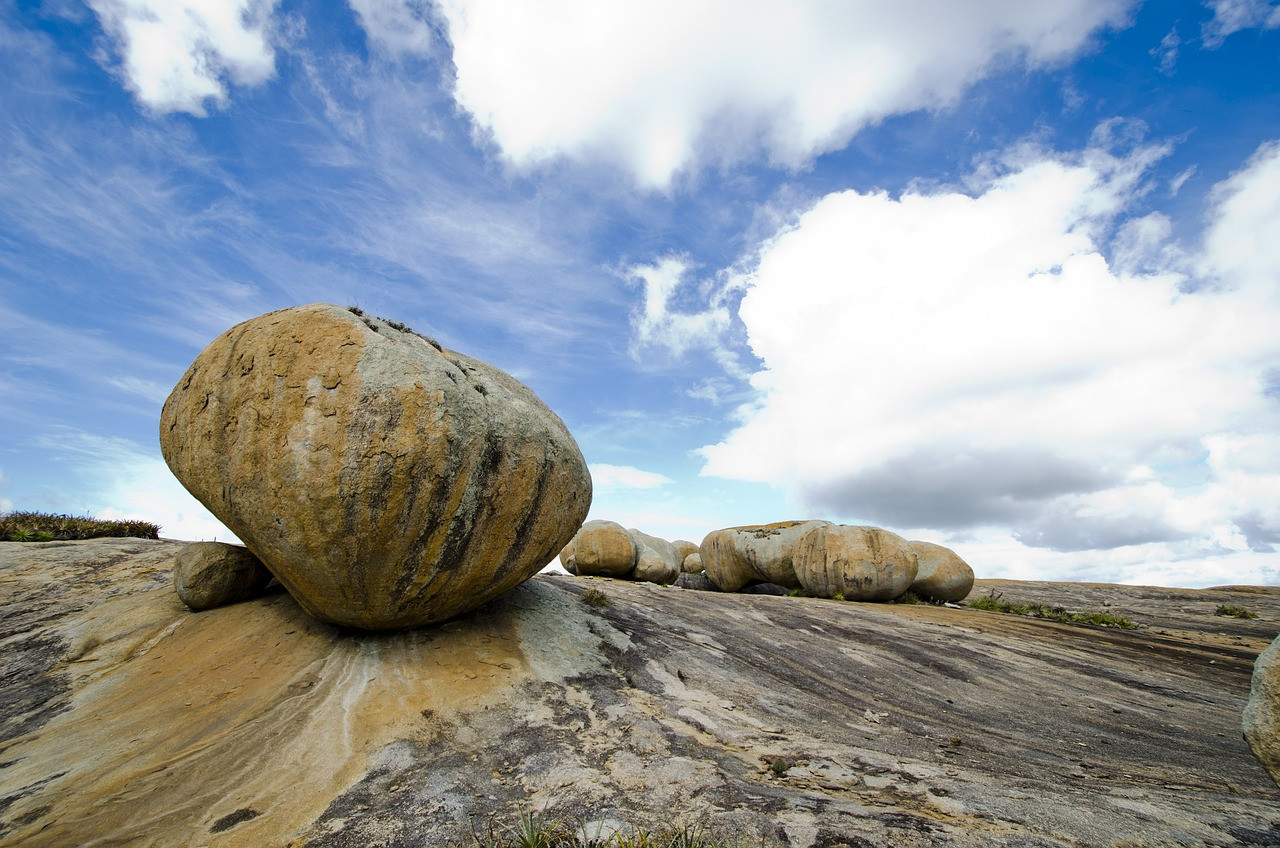
Representative image: IgorSuassuna / Pixabay
A historian reported rock grooves and ochre paintings in Mrugavani National Park, Hyderabad, on October 21, 2026, and sought a survey; their age is unproven.
What Happened
A historian has reported four rock grooves and a nearby panel of ochre paintings inside Mrugavani National Park at Chilkur, on the edge of Hyderabad, and has asked the Telangana Department of Archaeology and Museums to survey both sites. The find by Dr Satyanarayana Dyavanapalli was reported on October 21, 2026. He says the grooves may have been made by people grinding or sharpening stone tools, but stresses that their age has not been established and must be tested scientifically.
Key Facts
- The four grooves lie near the Banda Juvvi Watch Tower in Mrugavani National Park, Chilkur, in Rangareddy district, Telangana.
- Each groove is about one foot (roughly 30 cm) long and two to four inches deep, cut into a flat, plateau-like rock surface above the surrounding valleys.
- The site was brought to the historian's attention by B. Anand Kumar, an administrative officer of the Forest Department in Rangareddy district, according to reports of the find.
- About one kilometre away, near the Forest Trek Park, a rock shaped like a snake's hood carries ochre-coloured paintings.
- The paintings show a tortoise, hunting scenes, arrows and border patterns, as described by the historian.
- A link to Neolithic activity around the fifth millennium BCE has been suggested, but it is a hypothesis that needs scientific verification. No stone tools or pottery have been reported from the site so far.
- Dr Dyavanapalli has asked the state archaeology department to carry out a systematic survey and to work with the Forest Department to protect both locations. No survey had been announced as of the reports.
Why It Matters
Grooves of this kind matter to archaeologists because they can record the daily work of early communities rather than their monuments. Repeated grinding or sharpening of an implement against the same spot can wear a channel into rock. The historian's reading of the Chilkur grooves follows this logic: he suggests that the shape and depth fit repeated grinding of tools such as axes, and that nearby water sources may once have supported hunting and gathering groups.
The key word is "may". At this stage the evidence is the shape of four channels in rock and a set of paintings whose age is unknown. Appearance alone cannot show that a groove is prehistoric, since the same shape does not by itself tell when, or by whom, it was made. That is why the historian himself has framed the Neolithic link as a hypothesis and the dating as a task for science. Readers should treat the find as a promising lead reported by a historian, not as a confirmed prehistoric site.
What would confirm it is what a systematic survey looks for: stone tools, flakes or pottery fragments in the soil around the grooves, rock shelters with signs of use, and a careful record of the paintings, their pigments and their style. Associated finds of that kind, recorded properly, are what allow archaeologists to judge a site and suggest a date.
The location adds to the interest. Mrugavani is a national park on the outskirts of Hyderabad, so both sites sit on forest land. That is why the historian has asked for the archaeology and forest departments to work together on both study and protection.
| Site | What was reported | What is still unknown |
|---|---|---|
| Grooves near Banda Juvvi Watch Tower | Four channels, about a foot long and 2-4 inches deep | Age, cause, any tools nearby |
| Paintings near Forest Trek Park | Ochre tortoise, hunting scenes, arrows, borders | Age, pigment, who made them |
| Survey request | Sent to the state archaeology department | Whether and when it will happen |
Impact
Short-term: The next step lies with the Telangana Department of Archaeology and Museums. If it accepts the request, a team would document the grooves and paintings and search the surrounding area for associated material. Until then, the find remains a report by an individual historian.
Long-term: If a survey confirms early human activity, Chilkur could be added to Telangana's list of prehistoric sites, and the park could gain a heritage role alongside its role as a wildlife area. If it does not, the record of the paintings and grooves will still help protect them and settle the question.
Who is affected: Archaeologists and students of early Indian history, the state archaeology and forest departments that would carry out and protect any survey, and visitors to Mrugavani, where the grooves were spotted during a safari visit.
Key Takeaway
A historian has reported possible tool-grinding grooves and ochre rock paintings in Hyderabad's Mrugavani National Park, but their prehistoric age is unproven until the state archaeology department carries out a scientific survey.
Questions and Answers
What was found at Mrugavani National Park near Hyderabad?
Historian Dr Satyanarayana Dyavanapalli reported four rock grooves near the Banda Juvvi Watch Tower and, about a kilometre away near the Forest Trek Park, ochre paintings of a tortoise, hunting scenes, arrows and border patterns. The find was reported on October 21, 2026.
Are the Chilkur grooves proven to be prehistoric?
No. The historian suggests they may have been worn by people grinding or sharpening stone tools, and a link to the Neolithic period around the fifth millennium BCE has been suggested, but this is a hypothesis. The age has not been tested, and no stone tools or pottery have been reported from the site.
What happens next?
Dr Dyavanapalli has asked the Telangana Department of Archaeology and Museums to survey both sites systematically, document them and look for associated finds, working with the Forest Department to protect them. No survey had been announced when the find was reported.
Why do archaeologists care about grooves in rock?
Long, smooth channels in rock can be left by people repeatedly rubbing stone tools to shape or sharpen them. If tools, pottery or other material are found with them, such grooves can show where early communities lived and worked, though appearance alone cannot prove their age.
Disclaimer: Prepared by the Peepals newsroom from publicly available sources with AI assistance. Information is accurate to the best of our knowledge at the time of publication and may change. Images may be representative. Not professional advice. Report an error via our contact page.
By Devansh Tiwari, Knowledge Systems WriterCovers Knowledge Systems and more for Peepals Sanskriti. All stories by Devansh Tiwari
Lakadong turmeric units in Meghalaya wait on certification, NEC review finds
India-Oman AYUSH Information Cell opens at Muscat hospital
Devansh Tiwari is a pen name of the Peepals Global Editorial Team, which researches, fact-checks and publishes every story. The portrait is an illustration.