
Narak Chaturdashi 2026 on November 8: why it shares Diwali's day
 By Devansh TiwariKnowledge Systems Writer, Peepals Sanskriti
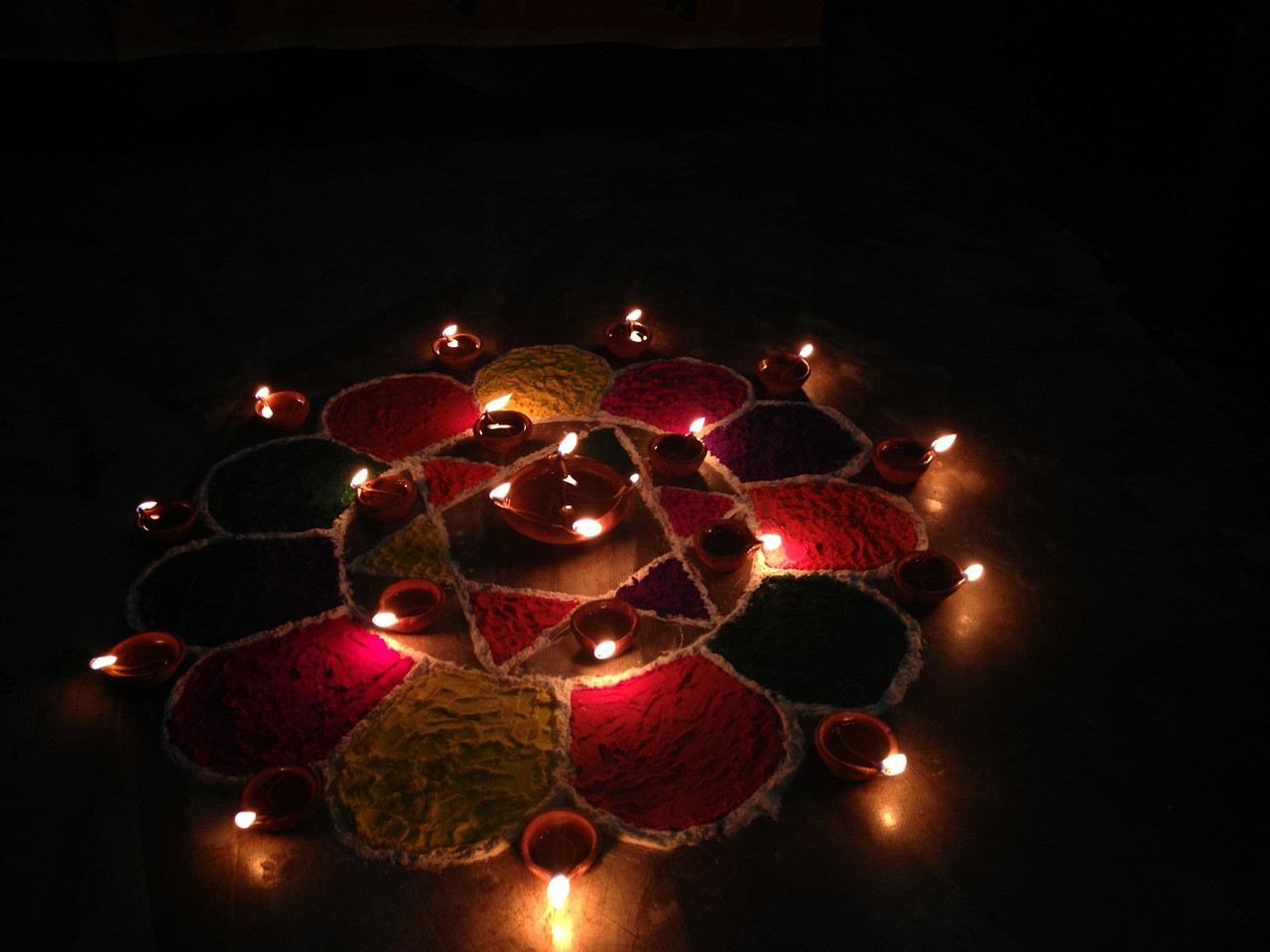
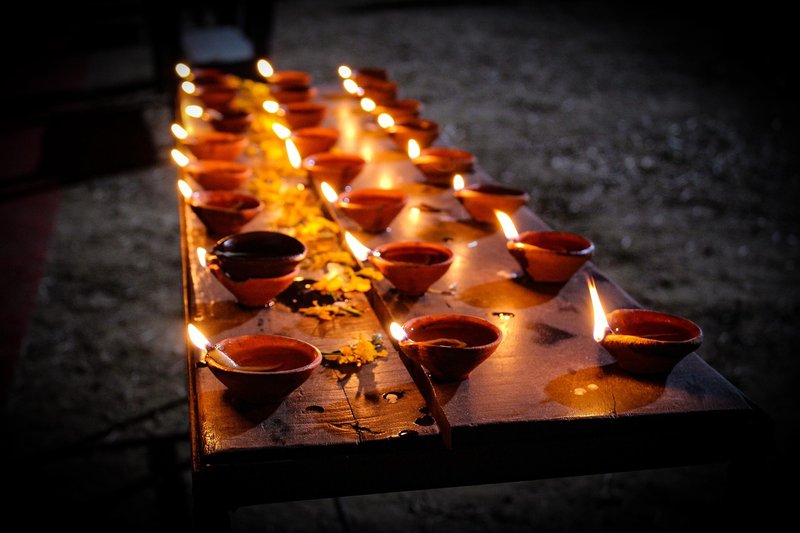
Representative image: wpcares / Pixabay
Narak Chaturdashi's dawn Abhyang Snan and Diwali's Lakshmi Puja both fall on Sunday, November 8, 2026, as Chaturdashi runs at sunrise and Amavasya by evening.
What Happened
Narak Chaturdashi, also called Choti Diwali, falls on the same day as Diwali's Lakshmi Puja this year: Sunday, November 8, 2026, according to the main panchangs. The Chaturdashi tithi begins at 10:47 am on Saturday, November 7, and ends at 11:27 am on November 8, when Amavasya begins, according to the New Delhi listings of Drik Panchang. So the pre-dawn Abhyang Snan of Narak Chaturdashi and the evening Lakshmi Puja both fall on November 8, while Kali Chaudas, a night observance, is kept on November 7.
Key Facts
- Chaturdashi tithi: 10:47 am, November 7 to 11:27 am, November 8, 2026 (New Delhi).
- Amavasya tithi: 11:27 am, November 8 to 12:31 pm, November 9, 2026 (New Delhi).
- Abhyang Snan (the ritual oil bath before sunrise) on Narak Chaturdashi: 5:41 am to 6:38 am on November 8 in New Delhi, per Drik Panchang.
- Lakshmi Puja: Sunday, November 8; Drik Panchang's New Delhi muhurat is 5:54 pm to 7:50 pm, within Pradosh Kaal of 5:31 pm to 8:09 pm.
- Kali Chaudas, observed at midnight, falls on the night of November 7, because the Chaturdashi tithi is already running by that midnight.
- Some printed calendars list Choti Diwali on November 7, while almanacs such as Drik Panchang and Prokerala list Narak Chaturdashi on November 8.
- All timings change by city; Ujjain's Abhyang Snan window, for example, is listed as 5:34 am to 6:40 am.
Why It Matters
Many families think of Diwali as five days in a fixed order: Dhanteras, Choti Diwali, Diwali, Govardhan Puja and Bhai Dooj, each on its own date. This year the panchang squeezes two of them into one day, and the reason lies in how the Hindu lunar calendar picks a day for each observance.
A tithi is a lunar day. It is measured by the angle between the Sun and the Moon, so it does not start at midnight or sunrise, and it can be shorter or longer than a solar day. Each festival is tied to a tithi, and each festival also has a rule about which part of the day matters. For a ritual done at dawn, the rule looks at the tithi running at sunrise. For a ritual done at night, it looks at the tithi running at that hour.
Narak Chaturdashi's main ritual, the Abhyang Snan, is performed before sunrise. On the morning of November 7 the Chaturdashi has not yet begun; it starts only at 10:47 am. On the morning of November 8 the Chaturdashi is still running at dawn and ends at 11:27 am. So by the sunrise rule, the Abhyang Snan belongs to November 8.
Lakshmi Puja follows a different rule. It is done in the evening, during Pradosh Kaal, the period after sunset, on Amavasya. Amavasya begins at 11:27 am on November 8 and runs through that evening, so Lakshmi Puja is also on November 8. The same day therefore starts with one festival's ritual and ends with another's.
Kali Chaudas, observed in Gujarat and some other regions, is a midnight observance. By midnight on November 7 the Chaturdashi is already in progress, so calendars place Kali Chaudas on the night of November 7. This explains why some newspapers and calendars print "Choti Diwali" on November 7: they are following the night observance, while the panchangs that fix the Abhyang Snan by sunrise print November 8.
For readers, the practical point is simple. Those who keep the dawn oil bath should check their own city's sunrise time and local panchang, because the window shifts by several minutes from place to place. Families who mark Choti Diwali in the evening with lamps may see different dates in different calendars, and both follow a stated rule.
| Observance | Rule used | Date in 2026 |
|---|---|---|
| Kali Chaudas | Tithi at midnight | Night of November 7 |
| Narak Chaturdashi Abhyang Snan | Tithi at sunrise | Morning of November 8 |
| Lakshmi Puja | Amavasya in Pradosh Kaal | Evening of November 8 |
Impact
Short-term: Households, temples and priests will plan both the Narak Chaturdashi bath and Lakshmi Puja for November 8, which makes it a long day of observances. Some families may follow November 7 for Choti Diwali if their local calendar lists it that way.
Long-term: Years like this one show why festival dates in India can differ between calendars and regions. Knowing the rule behind each date, sunrise, Pradosh or midnight, helps readers understand such differences instead of seeing them as errors.
Who is affected: Families who observe Diwali and its associated days, temple committees and priests who fix puja times, regional communities that keep Kali Chaudas, and anyone planning travel or holidays around the festival week.
Key Takeaway
In 2026, Narak Chaturdashi's dawn Abhyang Snan and Diwali's evening Lakshmi Puja both fall on Sunday, November 8, because the Chaturdashi tithi runs at that sunrise and Amavasya runs that evening.
Questions and Answers
When is Narak Chaturdashi (Choti Diwali) in 2026?
Most panchangs, including Drik Panchang and Prokerala, place Narak Chaturdashi and its Abhyang Snan on Sunday, November 8, 2026. Some calendars list Choti Diwali on November 7, following the night observance of Kali Chaudas.
What is the Abhyang Snan time on Narak Chaturdashi 2026?
Drik Panchang gives 5:41 am to 6:38 am on November 8 for New Delhi. Times differ by city, so check a local panchang.
Why are Choti Diwali and Diwali on the same day this year?
The Chaturdashi tithi runs at sunrise on November 8 and ends at 11:27 am, when Amavasya begins. The dawn bath follows Chaturdashi at sunrise, and Lakshmi Puja follows Amavasya in the evening, so both fall on November 8.
When is Kali Chaudas in 2026?
Kali Chaudas is a midnight observance, and the Chaturdashi tithi is already running at midnight on November 7, so it is kept on the night of November 7.
Disclaimer: Prepared by the Peepals newsroom from publicly available sources with AI assistance. Information is accurate to the best of our knowledge at the time of publication and may change. Images may be representative. Not professional advice. Report an error via our contact page.
By Devansh Tiwari, Knowledge Systems WriterCovers Knowledge Systems and more for Peepals Sanskriti. All stories by Devansh Tiwari
Intermittent fasting plus exercise cuts more fat, Granada trial finds
Kali Puja 2026: Shyama Puja midnight timings for Kolkata, Delhi
Get the day's stories in your inbox
Peepals Weekly: the week decoded, free. One email a week, unsubscribe in one click.
Devansh Tiwari is a pen name of the Peepals Global Editorial Team, which researches, fact-checks and publishes every story. The portrait is an illustration.