
Dussehra fafda-jalebi costs Rs 50-100 a kg more in Gujarat this year
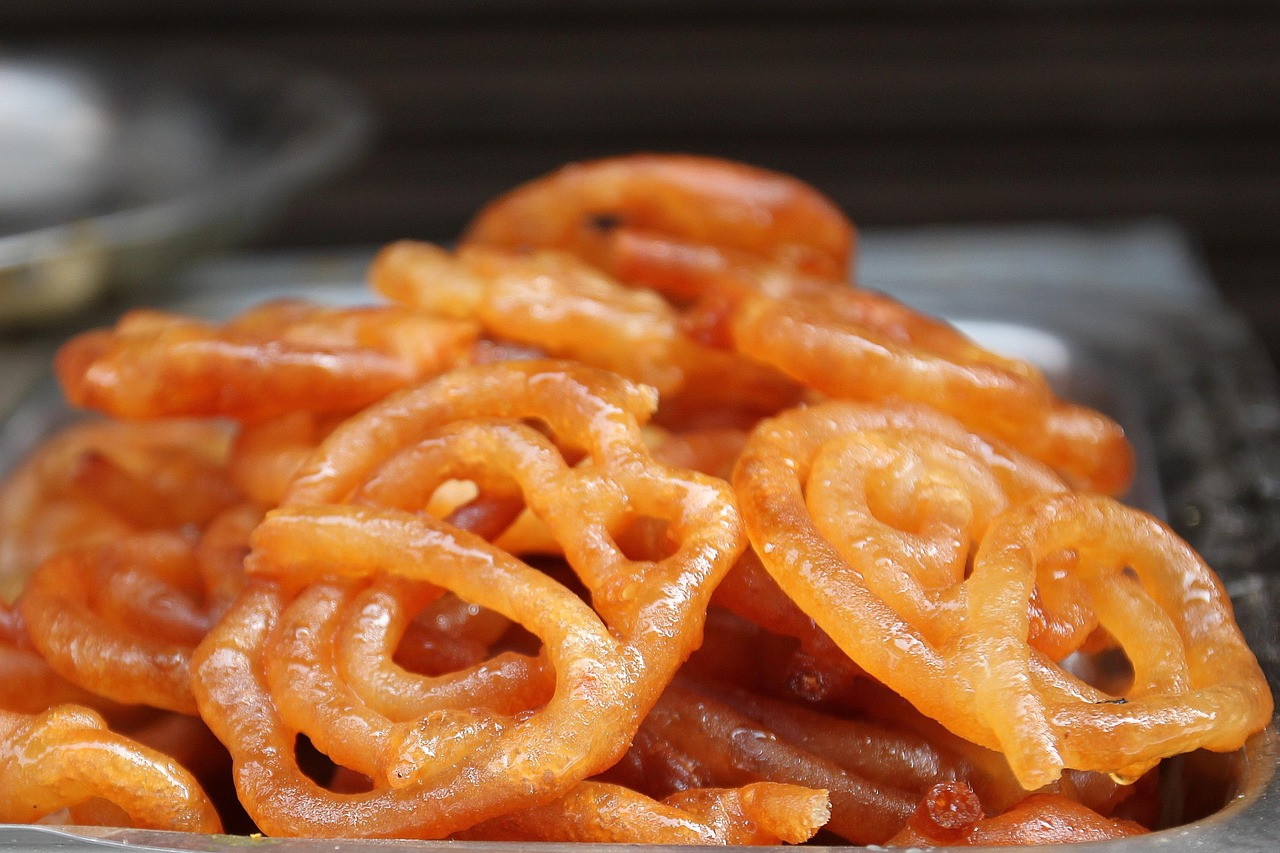
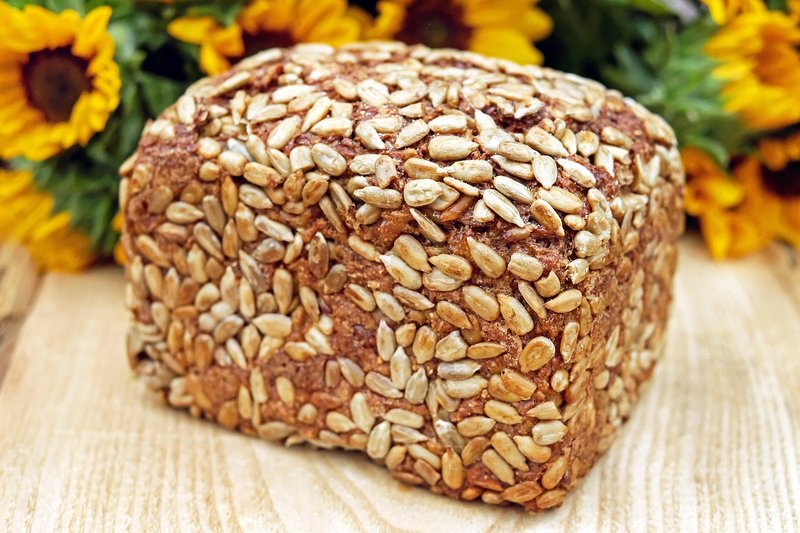
Representative image: Vitamin / Pixabay
Ahead of Dussehra on October 20, 2026, Gujarat sweet shops have raised fafda and jalebi prices by Rs 50 to Rs 100 a kg, citing costlier besan, oil and ghee.
What Happened
The Gujarati Dussehra custom of eating fafda and jalebi will cost more this year. Ahead of Dussehra on Tuesday, October 20, 2026, sweet and farsan shops in Gujarat have raised prices of the two foods by about Rs 50 to Rs 100 a kilogram, according to reports from Surat, Ahmedabad and other cities in the state. Traders said the main reason is a rise in the cost of gram flour (besan), edible oil and ghee.
Key Facts
- Dussehra, also called Vijayadashami, falls on Tuesday, October 20, 2026.
- Fafda and jalebi prices in Gujarat are up by roughly Rs 50 to Rs 100 a kg, traders said.
- Shopkeepers blamed higher prices of besan, edible oil and ghee.
- In Surat, one shop's fafda rose by Rs 50 to Rs 70 a kg; it now sells fafda at Rs 600 a kg, jalebi made in desi ghee at Rs 600 a kg and jalebi made in groundnut oil at Rs 500 a kg.
- Rates vary widely by city and shop, with premium shops in large cities charging well above these levels.
- Shops have opened advance bookings and are preparing for heavy crowds on the morning of Dussehra.
Why It Matters
Fafda is a crisp, salted snack made from gram flour and fried in oil. Jalebi is a fried, syrup-soaked sweet, made either in ghee or in vegetable oil. In Gujarat, eating the two together on the morning of Dussehra is a popular custom. The origin of the custom cannot be traced with certainty, but the most common explanation is that the pairing marks the end of the nine days of Navratri, during which many families fast or eat simple food, and Dussehra itself celebrates the victory of good over evil.
This year's price rise follows a familiar chain. Fafda depends almost entirely on besan and frying oil, while ghee jalebi depends on ghee and sugar. When any of these inputs becomes more expensive, shops pass the cost on, especially on a day when demand is certain. Traders said higher input costs left them little choice, though at least one shop in Rajkot said it had held its rate steady despite the pressure.
For households, the change is small per plate but noticeable for families and offices that buy several kilograms at once for relatives, staff or community gatherings. Many buyers book in advance to avoid queues and lock in a price.
| What changed | Detail |
|---|---|
| Festival date | Dussehra, Tuesday, October 20, 2026 |
| Typical increase | About Rs 50 to Rs 100 a kg |
| Surat example: fafda | Rs 600 a kg (up Rs 50-70) |
| Surat example: desi ghee jalebi | Rs 600 a kg |
| Surat example: groundnut-oil jalebi | Rs 500 a kg |
| Reasons given | Costlier besan, edible oil and ghee |
Impact
Short-term: Families in Gujarat and in Gujarati communities elsewhere will pay more for the Dussehra breakfast on October 20. Some buyers may choose oil-fried jalebi over ghee jalebi, or buy smaller quantities.
Long-term: The rise reflects wider cost pressure on everyday foods made from pulses, oils and dairy fats. If these input prices stay high, farsan and sweet prices may stay higher through Diwali, the next big buying season.
Who is affected: Households buying for the festival, offices and housing societies that order in bulk, and small farsan and sweet shops balancing rising costs against customer loyalty.
Key Takeaway
Gujarat's Dussehra fafda-jalebi custom costs about Rs 50 to Rs 100 a kg more in 2026 because besan, edible oil and ghee have become costlier, traders say.
Questions and Answers
When is Dussehra in 2026?
Dussehra, also called Vijayadashami, is on Tuesday, October 20, 2026.
How much has the fafda jalebi price gone up this Dussehra?
Traders in Gujarat say prices are up by about Rs 50 to Rs 100 a kilogram. In Surat, one shop is selling fafda at Rs 600 a kg after a rise of Rs 50 to Rs 70, ghee jalebi at Rs 600 a kg and groundnut-oil jalebi at Rs 500 a kg.
Why are fafda and jalebi costlier in 2026?
Shopkeepers say the cost of the main ingredients, gram flour (besan), edible oil and ghee, has gone up, and they have passed that on to buyers.
Why do Gujaratis eat fafda and jalebi on Dussehra?
It is a popular local custom. According to tradition, the treat marks the end of the Navratri fasting period and is eaten on the morning of Dussehra, the festival that celebrates the victory of good over evil.
Disclaimer: Prepared by the Peepals newsroom from publicly available sources with AI assistance. Information is accurate to the best of our knowledge at the time of publication and may change. Images may be representative. Not professional advice. Report an error via our contact page.
Sourced and fact-checked by the Peepals Global Editorial Team
AIIA child-care departments made RAV centres to study Swarnaprashan safety
Leap second scrapped from 2027: clock time and sky time to part ways
Reported, fact-checked and published by the Peepals Global Editorial Team.