
Eating vegetables before carbs blunts early sugar spike but effect fades, review finds

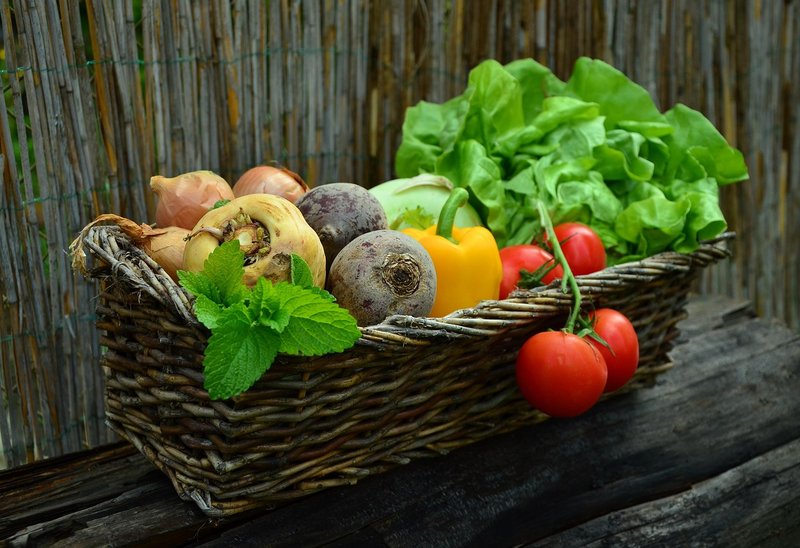
Representative image: JillWellington / Pixabay
A review of 18 trials by the German Diabetes Center, reported in October 2026, found eating vegetables first lowers blood sugar at 30-60 minutes, but not later.
What Happened
Eating vegetables before carbohydrates in a meal can reduce the early rise in blood sugar, but the effect does not last, according to a systematic review and meta-analysis by researchers at the German Diabetes Center (DDZ), published in the journal Clinical Nutrition and reported in October 2026. The team, led by Kampmann-Gongoll, pooled the results of 18 randomised controlled trials in adults. They found blood sugar rose less at 30 and 60 minutes after eating when vegetables came first, but by about two hours, the group that ate vegetables last had lower blood sugar instead.
Key Facts
- Study type: systematic review and meta-analysis of 18 randomised controlled trials in adults.
- Researchers: German Diabetes Center (DDZ), published in Clinical Nutrition.
- At 30 and 60 minutes after a meal, blood sugar rose less when vegetables were eaten before carbohydrates.
- By about 120 minutes, the pattern reversed, with lower blood sugar in the group that ate vegetables last.
- Insulin levels started lower in the vegetables-first group but rose more steeply later.
- Evidence on long-term markers such as fasting glucose and HbA1c came from only one study, in people with type 2 diabetes, so no firm conclusion can be drawn on them.
Why It Matters
The idea that the order in which you eat your food can change your blood sugar has become popular advice on social media and in wellness circles: start with salad or vegetables, then protein, and finish with rice, bread or potatoes. This review tests that advice against the best available evidence, randomised trials, and gives a more balanced answer than the slogans.
The early benefit is real. The usual explanation is that fibre and bulk from vegetables eaten first slow how quickly sugar from the carbohydrates that follow reaches the blood, so the first spike after a meal is smaller. For people who experience large swings in blood sugar, a gentler first peak may be useful. But the review also shows that the body does not simply absorb less sugar. The rise is delayed, and insulin climbs more steeply later, possibly as the body works to handle the delayed glucose. Over two hours, the advantage disappears.
That matters for anyone who has adopted food order as a way to manage diabetes or weight. The review does not show that changing food order improves long-term blood sugar control, because only a single trial looked at markers such as HbA1c. Food order may be a simple habit worth trying, especially for its short-term effect, but it is not a substitute for the total amount and quality of carbohydrates, regular activity and medical treatment where needed.
For readers who follow traditional Indian eating patterns, the findings are a reminder that how a meal is built matters as much as what comes first. Meals that combine vegetables, pulses and whole grains bring fibre and protein together, which is consistent with the review's underlying mechanism.
| Time after meal | Vegetables first compared with vegetables last |
|---|---|
| 30 minutes | Lower blood sugar rise |
| 60 minutes | Lower blood sugar rise |
| About 120 minutes | Higher blood sugar than vegetables-last group |
| Insulin | Lower at first, then rises more steeply |
Impact
Short-term: People who eat vegetables first may see a smaller blood sugar spike in the first hour after meals.
Long-term: There is not yet enough evidence to say food order improves long-term blood sugar control; larger and longer trials, especially in people with diabetes and prediabetes, are needed.
Who is affected: People with diabetes or prediabetes; anyone tracking blood sugar with glucose monitors; dietitians and doctors advising patients; and followers of diet trends.
Key Takeaway
Eating vegetables before carbohydrates lowers the early blood sugar spike, but the benefit fades within two hours and long-term effects remain unproven.
Questions and Answers
Does eating vegetables before rice or bread lower blood sugar?
In the short term, yes. A review of 18 trials found blood sugar rose less 30 and 60 minutes after a meal when vegetables were eaten first. By about two hours, the advantage was gone.
Is changing food order a good way to manage diabetes?
The evidence is too limited to say. Only one trial in the review measured long-term markers like HbA1c. People with diabetes should follow their doctor's advice on diet and medicines.
Why does the effect fade?
The findings suggest the rise in blood sugar is delayed rather than prevented when vegetables come first. Insulin also rose more steeply later in the vegetables-first group.
Who carried out the review?
Researchers at the German Diabetes Center (DDZ), who pooled 18 randomised controlled trials in adults. It was published in the journal Clinical Nutrition.
Disclaimer: Prepared by the Peepals newsroom from publicly available sources with AI assistance. Information is accurate to the best of our knowledge at the time of publication and may change. Images may be representative. Not professional advice. Report an error via our contact page.
Sourced and fact-checked by the Peepals Global Editorial Team
India to set up Ayush chair at Durban University of Technology, opens Ayush cell
Supreme Court raps ASI, MCD after Lodhi-era monument in Delhi found used as cow shed
Reported, fact-checked and published by the Peepals Global Editorial Team.