
ICMR's first high-altitude medicine centre to come up at Keylong in Himachal
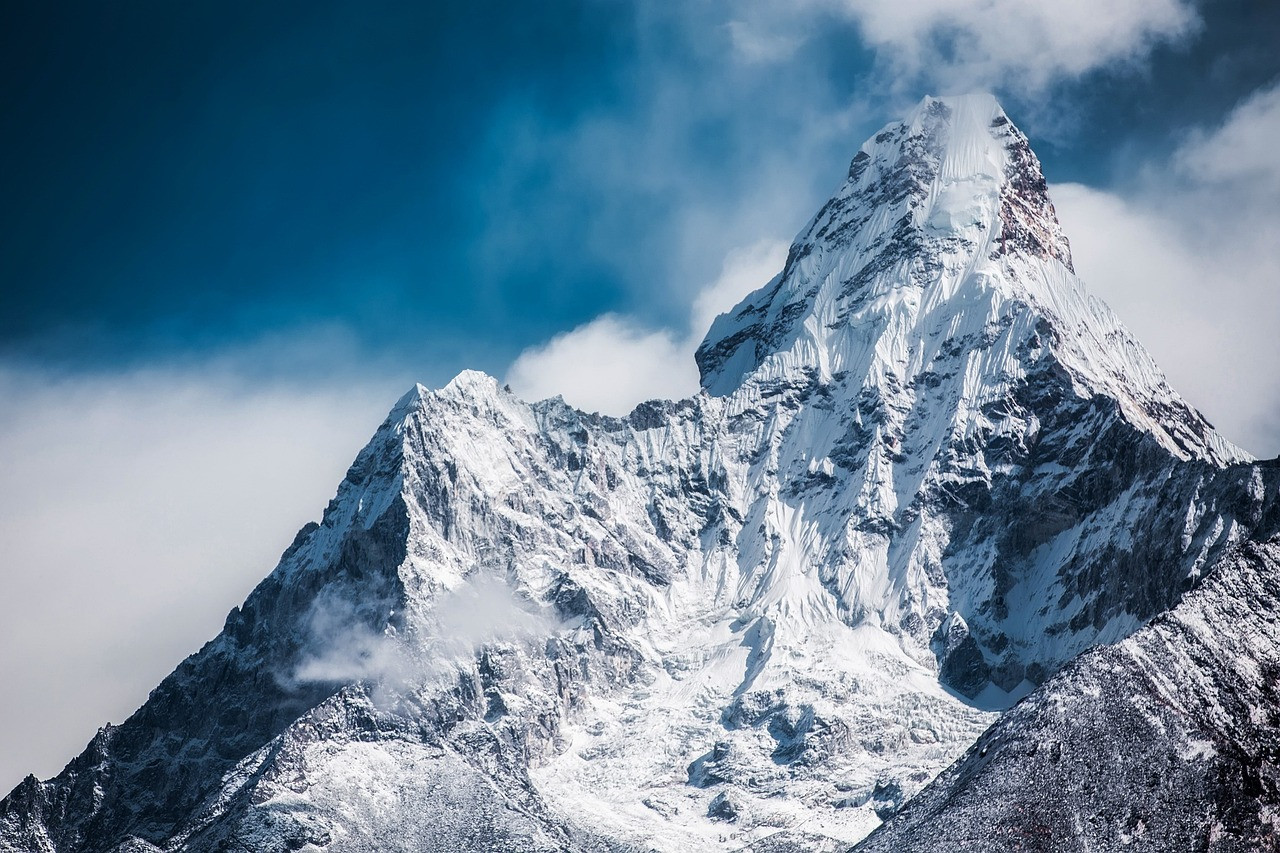
Representative image: 12019 / Pixabay
Health Minister J.P. Nadda was set to lay the stone on 12 October 2026 for ICMR's first high-altitude medicine and public health centre at Keylong, Himachal Pradesh.
What Happened
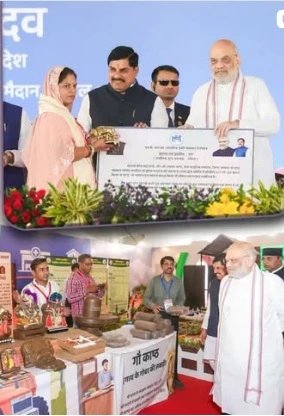
Union Health Minister J.P. Nadda was scheduled to lay the foundation stone on Monday, 12 October 2026, of the Indian Council of Medical Research's first centre devoted entirely to high-altitude medicine and public health, at Keylong in Himachal Pradesh's Lahaul and Spiti district. The facility, named the ICMR Centre for High Altitude Medicine and Public Health Research (ICMR-CHAMP), comes under the Department of Health Research. According to an official statement released on 11 October, the ceremony was to include a traditional Bhumi Pujan, a groundbreaking, the unveiling of the foundation plaque and a sapling plantation drive, with Minister of State for Defence Sanjay Seth, former Chief Minister Jai Ram Thakur and BJP MP Kangana Ranaut among those expected.
Key Facts
- Name: ICMR Centre for High Altitude Medicine and Public Health Research (ICMR-CHAMP).
- Location: Keylong, Lahaul and Spiti, Himachal Pradesh.
- Foundation stone: scheduled for Monday, 12 October 2026, by Health Minister J.P. Nadda.
- It is described as ICMR's first centre focused fully on high-altitude medicine and public health.
- Planned research: high-altitude physiology and acclimatisation, mountain medicine, climate-sensitive and emerging diseases, infectious and non-communicable diseases, maternal and child health, nutrition, mental health, environmental and occupational health, and disaster medicine.
- Tools named in the plan: telemedicine, digital health platforms, drone-based delivery of medical supplies and real-time disease surveillance.
- Partners: the Armed Forces Medical Services, national research institutes and the Himachal Pradesh government.
Why It Matters
Large parts of India lie in the mountains, from Ladakh and Himachal Pradesh to Sikkim and Arunachal Pradesh. People who live there, soldiers posted there and the growing number of tourists and pilgrims who travel there all face health problems that are less common on the plains: the body's struggle to adjust to thin air, cold-related illness, and the difficulty of reaching a hospital when roads close in winter. Yet most of the country's medical research has been built around conditions in cities and lowland areas. A dedicated centre in a high-altitude district, rather than a distant lab, means the research can be done where the problems are.
The list of research topics shows the centre is meant to look at everyday health, not only at mountaineering. Maternal and child health, nutrition and mental health in remote valleys are long-standing concerns for families who live through long, isolated winters. Climate change adds new risks, including shifts in where infections spread and more frequent landslides and flash floods, which is why disaster medicine and climate-sensitive diseases are on the agenda.
The technology plan matters for the region. Telemedicine and drones carrying medicines or test samples can bridge the distances that make mountain health care so hard, and real-time disease surveillance can catch outbreaks early. Working with the Armed Forces Medical Services, which already treat troops at extreme altitudes, should let civilian researchers learn from long military experience.
For readers interested in traditional and lifestyle health, the centre's focus on acclimatisation, diet and mental well-being at altitude also creates room to study local practices and diets of mountain communities with scientific rigour.
| Area | Why it is on the list |
|---|---|
| Acclimatisation and physiology | How bodies adjust to low oxygen |
| Maternal and child health | Families in remote valleys |
| Climate-sensitive diseases | Changing disease patterns in the hills |
| Disaster medicine | Landslides, floods and road closures |
| Mental health | Long, isolated winters |
Impact
Short-term: Groundwork begins for a research base in Keylong, and ICMR will set up its partnerships with the armed forces' medical services and the state government.
Long-term: Once running, the centre could produce health guidelines and services designed for high-altitude areas, from better care for pregnant women and children to faster emergency response in remote districts.
Who is affected: Residents of Lahaul and Spiti and other mountain districts, soldiers and paramilitary staff at high altitude, tourists and pilgrims, local health workers, and India's medical research community.
Key Takeaway
ICMR is setting up its first dedicated high-altitude medicine and public health research centre at Keylong, Himachal Pradesh, to study and improve health in India's mountain regions.
Questions and Answers
What is ICMR-CHAMP?
It is the ICMR Centre for High Altitude Medicine and Public Health Research, the council's first centre devoted fully to health at high altitude, being built at Keylong in Lahaul and Spiti, Himachal Pradesh.
When was the foundation stone to be laid?
Health Minister J.P. Nadda was scheduled to lay it on Monday, 12 October 2026.
What will the centre research?
Acclimatisation and mountain medicine, climate-sensitive and emerging diseases, infectious and lifestyle diseases, maternal and child health, nutrition, mental health, environmental and occupational health, and disaster medicine.
How will it reach remote areas?
The plan includes telemedicine, digital health platforms, drones to move medical supplies and real-time disease surveillance, with support from the armed forces' medical services and the state government.
Disclaimer: Prepared by the Peepals newsroom from publicly available sources with AI assistance. Information is accurate to the best of our knowledge at the time of publication and may change. Images may be representative. Not professional advice. Report an error via our contact page.
Sourced and fact-checked by the Peepals Global Editorial Team
70% of urban Indians eat too little protein, survey finds; fibre gap even wider
Ayush care moves towards hospitals as insurance cover and private investment grow
Reported, fact-checked and published by the Peepals Global Editorial Team.