
Lakadong turmeric units in Meghalaya wait on certification, NEC review finds
 By Ishita SenCulture & Heritage Editor, Peepals Sanskriti
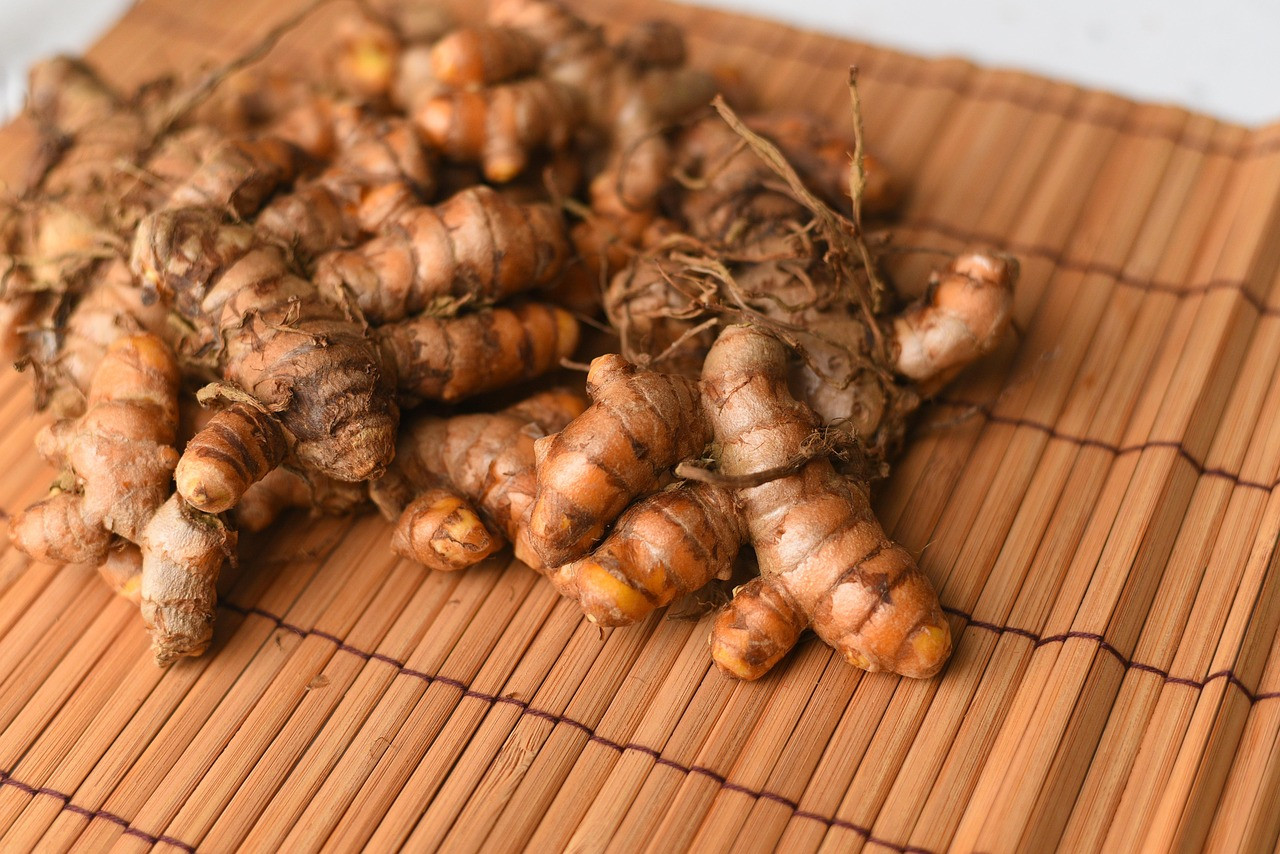
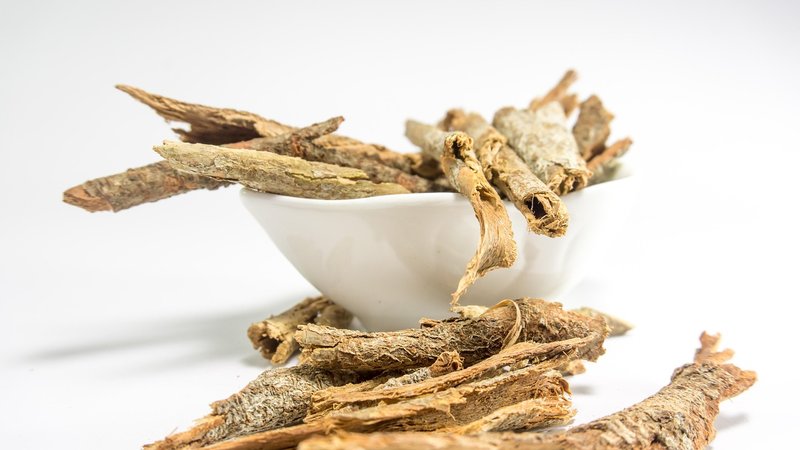
Representative image: MYCCF / Pixabay
On October 23, 2026 the NEC Secretary found a Lakadong bio-curcumin unit idle pending ISO certification and asked for approvals alongside construction.
What Happened
The Secretary of the North Eastern Council (NEC) reviewed the Integrated Lakadong Turmeric Value Chain Enhancement Project in Meghalaya's West Jaintia Hills district on October 23, 2026, and told the implementing team to secure certifications and regulatory approvals alongside construction. A bio-curcumin unit run by a farmers' cooperative at Laskein has not started operations because it is still waiting for ISO certification, and the Secretary warned that machinery could stand idle even after it is installed.
Key Facts
- The review covered the Integrated Lakadong Turmeric Value Chain Enhancement Project in West Jaintia Hills, Meghalaya, on October 23, 2026.
- A bio-curcumin unit run by the LIFE Spice Processing Cooperative Society at Laskein is yet to begin operations, pending ISO certification.
- At Thadmuthlong C Phramer, the team reviewed a proposed Centralised Processing Unit; the layout of its curcumin extraction plant has been finalised, and detailed plans and cost estimates are being prepared before tenders are floated.
- At the Shangpung Farmers Union Collective Marketing Centre, the Secretary stressed quality packaging, export compliance, batch coding for traceability and branded cartons to avoid rejection by buyers.
- Farmers raised a shortage of manure and asked for support with cattle; the Secretary said this was outside the NEC's mandate and advised them to approach the National Dairy Development Board.
- The wider Mission Golden Spice for Lakadong turmeric, led by the Ministry of Development of North Eastern Region (MDoNER), has a total cost of Rs 175.45 crore and aims to reach more than 17,500 farming households in West and East Jaintia Hills.
Why It Matters
Lakadong turmeric is one of India's best-known heritage spices. It carries a Geographical Indication (GI) tag, a legal mark that links a product to the place it comes from and protects its name. It is grown in the hills of the Jaintia region, and its deep colour comes from curcumin, the natural compound that gives turmeric its yellow. Reports describe Lakadong as richer in curcumin than most common varieties, which is why the government is backing it as a premium, export-ready product.
Turmeric has a long place in Indian kitchens and household traditions, and curcumin is also sold as a supplement. It is important to keep tradition and evidence apart here: according to tradition, turmeric is valued for everyday wellbeing, but researchers say curcumin's possible benefits still need to be confirmed by sound clinical trials, and it is not an approved cure for any disease. The value of the Meghalaya project is about food quality, fair prices and safe processing, not medical claims.
The review shows why certification has become the key step. A processing unit can extract curcumin or pack turmeric powder, but without ISO and food-safety approvals its products cannot easily reach large buyers or export markets. That is why the NEC Secretary asked for approvals to be pursued at the same time as building work, rather than after it. Packaging, batch coding and traceability also matter, because buyers abroad can reject consignments that do not meet their standards on labelling or residues.
For farmers, the stakes are direct. Mission Golden Spice aims to raise what growers earn from about Rs 40 a kilogram to about Rs 83.70 a kilogram through better processing, branding and market links. Reports from 2023 put the number of Lakadong growers at about 14,000 farmers in 43 villages. The manure shortage they raised at the review points to a practical limit: organic cultivation, a large part of the spice's appeal, depends on steady supplies of farmyard manure.
| Item | Status at the October 23 review |
|---|---|
| Bio-curcumin unit, Laskein | Built; waiting for ISO certification |
| Centralised Processing Unit, Thadmuthlong C Phramer | Layout of curcumin extraction plant finalised; tenders to follow |
| Collective Marketing Centre, Shangpung | Told to improve packaging, batch coding and branding |
| Farmers' request for cattle support | Referred to the National Dairy Development Board |
Impact
Short-term: The cooperative at Laskein needs its ISO certificate before its bio-curcumin unit can run, and the Centralised Processing Unit moves towards tendering. Marketing centres are expected to tighten packaging and labelling.
Long-term: If the processing units start on time and meet export standards, more of Lakadong turmeric's value could stay with growers in the Jaintia Hills, instead of the raw spice being sold cheaply and processed elsewhere. Delays in certification, the review warned, could leave public investment idle.
Who is affected: Turmeric farmers and cooperatives in West and East Jaintia Hills, food processors and exporters, the Meghalaya government and central agencies running the mission, and households in India and abroad who buy Lakadong turmeric.
Key Takeaway
The NEC's October 23, 2026 review found Meghalaya's Lakadong turmeric units held up by pending certification and urged approvals to run alongside construction.
Questions and Answers
What is Lakadong turmeric?
Lakadong turmeric is a GI-tagged turmeric grown in the Jaintia Hills of Meghalaya. It is known for its deep colour and is described as richer in curcumin, the natural yellow compound in turmeric, than most common varieties, which earns it a premium price.
What did the NEC review on October 23, 2026 find?
It found that a bio-curcumin unit run by a farmers' cooperative at Laskein has not started because it awaits ISO certification. The NEC Secretary asked the team to obtain approvals alongside construction so that machinery does not stand idle.
What is Mission Golden Spice?
It is a Rs 175.45 crore initiative led by the Ministry of Development of North Eastern Region to improve processing, branding and market links for Lakadong turmeric. It aims to reach more than 17,500 farming households and raise growers' earnings from about Rs 40 to about Rs 83.70 a kilogram.
Does Lakadong turmeric cure any disease?
No. Turmeric and curcumin are not approved cures, and researchers say curcumin's possible benefits still need confirmation from sound clinical trials. Traditionally it is valued as an everyday spice, and anyone considering supplements should consult a qualified doctor.
Disclaimer: Prepared by the Peepals newsroom from publicly available sources with AI assistance. Information is accurate to the best of our knowledge at the time of publication and may change. Images may be representative. Not professional advice. Report an error via our contact page.
By Ishita Sen, Culture & Heritage EditorCovers Culture & Heritage and more for Peepals Sanskriti. All stories by Ishita Sen
Storm Boelo forces London to cancel Diwali on the Square festival
Possible prehistoric tool grooves, rock art reported in Hyderabad's Mrugavani park
Ishita Sen is a pen name of the Peepals Global Editorial Team, which researches, fact-checks and publishes every story. The portrait is an illustration.