A daily handful of walnuts made older adults' diets less inflammatory: 2-year trial
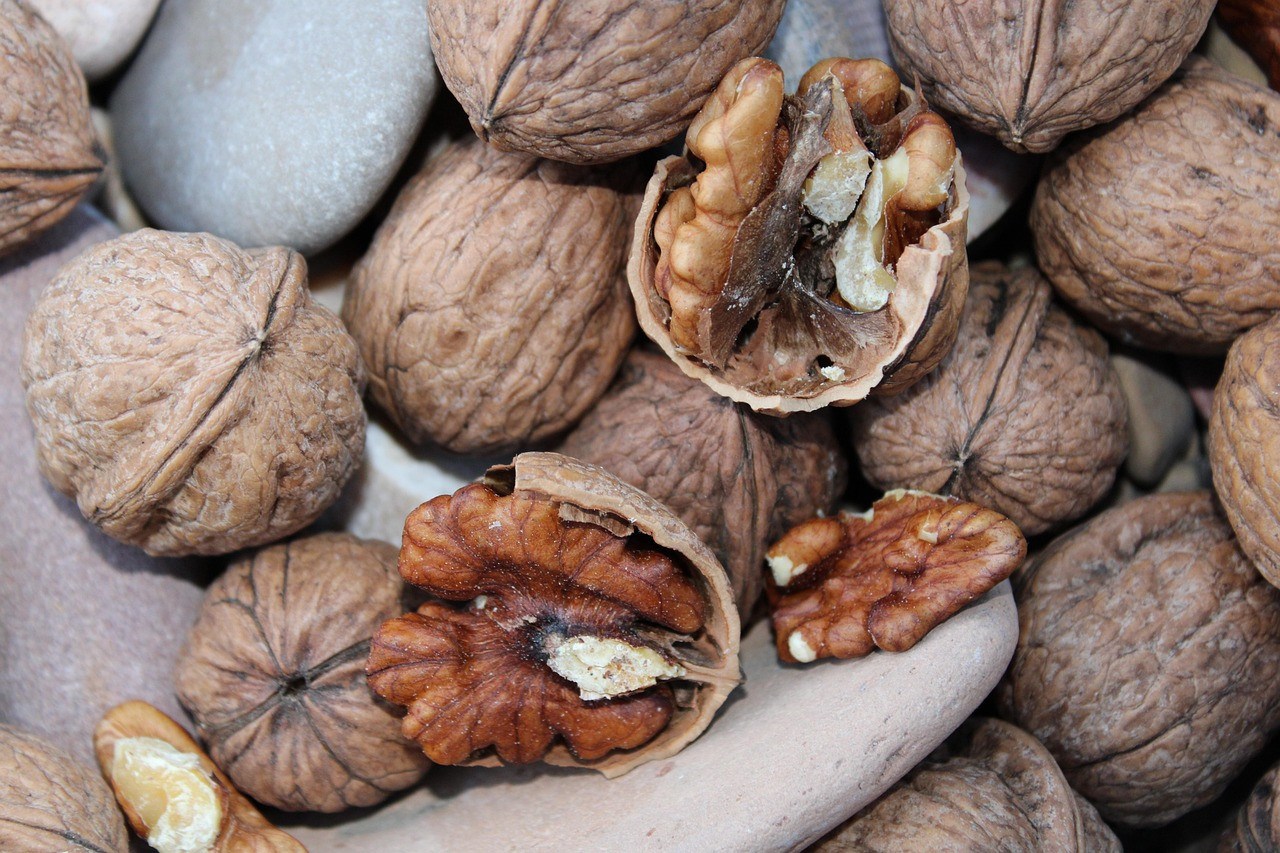
Representative image: armennano / Pixabay
A two-year Loma Linda trial of 319 older adults, reported 13 October 2026, found 30-60 g of walnuts a day made diets slightly less inflammatory overall.
What Happened
Eating a handful of walnuts every day may make an older adult's overall diet slightly less inflammatory, according to new results from a two-year trial at Loma Linda University in California, publicised on 13 October 2026. The analysis, published in the Journal of the Academy of Nutrition and Dietetics, used data from the Walnuts and Healthy Aging trial, in which 319 healthy older adults in Loma Linda were randomly assigned either to eat 30 to 60 grams of walnuts a day or to avoid walnuts. Over two years, the walnut group's diets scored slightly lower on the Dietary Inflammatory Index, a tool that estimates how likely a diet is to promote inflammation in the body. The difference was small but statistically significant.
Key Facts
- The study is an additional analysis of the two-year Walnuts and Healthy Aging randomised trial.
- 319 healthy older adults in Loma Linda took part.
- The walnut group ate 30 to 60 grams (about one to two ounces) of walnuts a day, roughly 15 per cent of daily energy; the control group avoided walnuts and kept other nuts to fewer than two servings a week.
- Both groups otherwise kept their usual diets.
- Diet scores were calculated from five 24-hour food recalls taken at random times over the two years.
- The walnut group ended with slightly, but significantly, lower Dietary Inflammatory Index scores.
Why It Matters
Diet is one of the main everyday factors people can change as they age. The value of this study is that it looks at the whole diet rather than at one food in isolation. The authors concluded that walnuts may help shift the overall pattern of eating towards a less inflammatory one, rather than acting as a stand-alone anti-inflammatory food.
That framing fits well with traditional ideas about food in Indian households, where the balance of the whole plate matters more than any single ingredient. Walnuts, known as akhrot, are already familiar in many Indian kitchens. Adding a small handful as a snack, or replacing fried or sugary snacks with nuts, is the kind of simple change the study supports.
The results should be read with care. The improvement in diet scores was modest, and the index estimates the inflammatory potential of a diet; it does not directly measure inflammation in the body. The participants were healthy older adults in one Californian community, and the researchers have noted that more work is needed in more diverse populations. People with nut allergies should avoid them, and portion size matters for anyone watching calories.
| | Detail | Walnut group | Control group | |
|---|---|---|
| | Daily walnuts | 30 to 60 grams | None | |
| | Other nuts | Usual diet | Fewer than 2 servings a week | |
| | Diet inflammation score after 2 years | Slightly lower | Higher | |
Impact
Short-term: Older adults looking for easy diet changes have evidence that a daily handful of walnuts can nudge their overall eating pattern in a healthier direction.
Long-term: Studies that measure whole-diet effects could shape dietary advice for healthy ageing, though larger and more diverse trials are needed.
Who is affected: Older adults and their families, people managing heart health, dietitians and doctors, and households planning everyday meals and snacks.
Key Takeaway
A two-year Loma Linda trial reported on 13 October 2026 found that eating 30 to 60 grams of walnuts a day made older adults' diets slightly less inflammatory overall, supporting nuts as part of a balanced diet rather than a cure-all.
Questions and Answers
What did the walnut study find?
Older adults who ate 30 to 60 grams of walnuts daily for two years had diets that scored slightly but significantly lower on the Dietary Inflammatory Index than those who avoided walnuts.
How many people took part?
319 healthy older adults in Loma Linda, California, randomly assigned to a walnut group or a control group.
Does this mean walnuts reduce inflammation in the body?
Not directly. The index estimates the inflammatory potential of a diet; it does not measure inflammation in the body. The authors say walnuts may shift the whole diet in a healthier direction.
How many walnuts should I eat?
The trial used 30 to 60 grams a day, about a handful. Anyone with a nut allergy or a health condition should check with a doctor or dietitian.
Disclaimer: Prepared by the Peepals newsroom from publicly available sources with AI assistance. Information is accurate to the best of our knowledge at the time of publication and may change. Images may be representative. Not professional advice. Report an error via our contact page.
Sourced and fact-checked by the Peepals Global Editorial Team
Vietnam approves traditional medicine plan: hospital in every province by 2030
XFG 'American Covid' not more severe, UK agency says as autumn cases rise
Reported, fact-checked and published by the Peepals Global Editorial Team.