
Makhana in Assam fisheries: pilot in 30% of 186 AFDC beels
 By Devansh TiwariKnowledge Systems Writer, Peepals Sanskriti
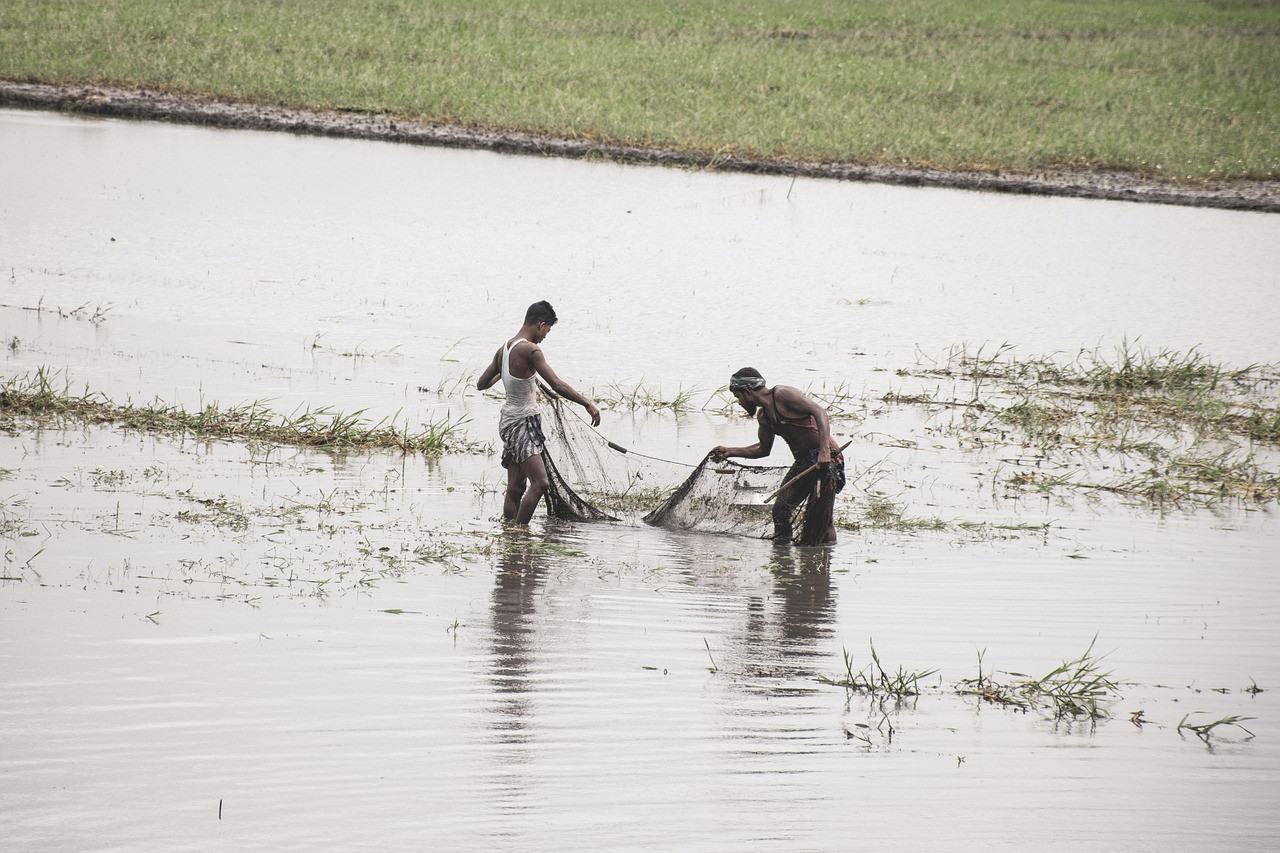
Representative image: shamimhsm / Pixabay
Assam will grow makhana in 30% of the 186 fisheries run by its fisheries corporation and targets 30,000 hectares, minister Pijush Hazarika said on 6 November 2026.
What Happened
Assam plans to grow makhana, the fox nut that Indian kitchens use in snacks, kheer and fasting meals, in the wetland fisheries run by the state's own fisheries corporation. Minister Pijush Hazarika announced the plan at a meeting with fishery lessees in Guwahati on Friday, 6 November 2026. A pilot will cover 30% of the 186 fisheries managed by the Assam Fisheries Development Corporation (AFDC) Limited, and the agriculture department has set a target of bringing 30,000 hectares across the state under makhana cultivation, the minister said. He told lessees that makhana is already being grown in seven to eight beels, the natural wetlands of Assam, and that it would be extended to other suitable water bodies.
Key Facts
- The pilot covers 30% of the 186 fisheries managed by the Assam Fisheries Development Corporation (AFDC) Limited.
- The state agriculture department's target is 30,000 hectares of makhana across Assam.
- Makhana is already grown in seven to eight beels, according to the minister.
- Hazarika said a 25-bigha beel could earn up to Rs 25 lakh a year from makhana; this is the minister's projection, not a measured yield.
- He urged lessees to clear water hyacinth, saying clean water bodies were essential for both fish and makhana.
- Makhana is the seed of Euryale ferox, a water plant of ponds and wetlands, and it can be grown alongside fish in the same water body.
Why It Matters
Makhana has a long place in Indian kitchens, and it is now also sold roasted and flavoured in packets as a snack. Reports around this Diwali described makhana and dry fruit replacing mithai as a default festive gift. Growing demand is one reason states beyond Bihar, home of the GI-tagged Mithila makhana, are trying the crop.
Assam has the natural setting for it. The state has a large number of beels, many of them leased out for fishing. The minister's pitch is that the same water can carry a second crop: fish below and makhana on the surface. Scientists have studied makhana in the wetland fisheries of Assam and the wider Northeast for some years, describing it as an opportunity for the region. What is new is a government plan to put it into the corporation's own fisheries on a fixed share and to set a state-wide area target.
For shoppers, this is a long-term supply story, not a price story. For the people who lease and work Assam's beels, the plan is about income. The minister's figure of up to Rs 25 lakh a year for a 25-bigha beel is a projection, and actual earnings will depend on yields, processing and prices, which the government has not set out.
Peepals calculation: A 30% pilot across 186 fisheries means about 56 AFDC fisheries (0.30 x 186 = 55.8). The minister's figure of Rs 25 lakh a year for a 25-bigha beel works out to about Rs 1 lakh per bigha a year (25,00,000 / 25). The national area under makhana has risen from about 13,000 hectares to about 35,000 hectares, according to the Union agriculture ministry; Assam's 30,000-hectare goal on its own would equal about 86% of that present national area (30,000 / 35,000). Our calculation from the reported figures.
| Measure | Figure | Source of the figure |
|---|---|---|
| AFDC fisheries in the pilot | 30% of 186 | Assam minister, 6 November 2026 |
| State-wide target | 30,000 hectares | Assam agriculture department |
| Beels already growing makhana | 7 to 8 | Assam minister |
| Projected income | Up to Rs 25 lakh a year for a 25-bigha beel | Assam minister |
Impact
Short-term: Lessees of AFDC fisheries will be the first to be asked to take up makhana, and the minister's call to remove water hyacinth from beels is an immediate task for them. The pilot is at the planning stage; no start date for planting was given at the meeting.
Long-term: If the pilot works, Assam could become a significant new source of makhana, a crop whose national area has already grown sharply. That would need seed, training for lessees and local processing, details the government has not yet set out.
Who is affected: Fishery lessees and fish farmers in Assam, wetland communities, food processors and traders, and consumers who buy makhana as a snack or for festivals and fasts.
Key Takeaway
Assam will trial makhana in about 56 of the 186 fisheries run by its fisheries corporation and aims for 30,000 hectares of the crop, betting that its wetlands can grow both fish and fox nuts.
Questions and Answers
What did Assam announce on makhana cultivation?
On 6 November 2026, minister Pijush Hazarika said Assam will run a pilot to grow makhana in 30% of the 186 fisheries managed by the Assam Fisheries Development Corporation, with a state-wide target of 30,000 hectares.
Can makhana and fish be grown in the same wetland?
Yes. Makhana is a floating water plant, Euryale ferox, and the Assam plan is built on growing it in beels that are already used for fisheries, which is why the minister asked lessees to keep the water clear of water hyacinth.
How much can a farmer earn from makhana in Assam?
The minister said a 25-bigha beel could earn up to Rs 25 lakh a year, or about Rs 1 lakh per bigha. This is his projection; real earnings will depend on yield, processing and market prices.
Will this make makhana cheaper?
Not soon. The plan is a pilot at the planning stage, and any effect on supply would come only after new areas are planted and harvested over coming seasons.
Disclaimer: Prepared by the Peepals newsroom from publicly available sources with AI assistance. Information is accurate to the best of our knowledge at the time of publication and may change. Images may be representative. Not professional advice. Report an error via our contact page.
By Devansh Tiwari, Knowledge Systems WriterCovers Knowledge Systems and more for Peepals Sanskriti. All stories by Devansh Tiwari
Qu Feng Huo Luo Dan: FDA warns seller over hidden steroid in herbal arthritis remedy
White House Diwali 2026: Trump lights diya with Indian-American leaders
Get the day's stories in your inbox
Peepals Weekly: the week decoded, free. One email a week, unsubscribe in one click.
Devansh Tiwari is a pen name of the Peepals Global Editorial Team, which researches, fact-checks and publishes every story. The portrait is an illustration.