
Delhi tests 59 desi ghee samples: 19 unsafe, four substandard
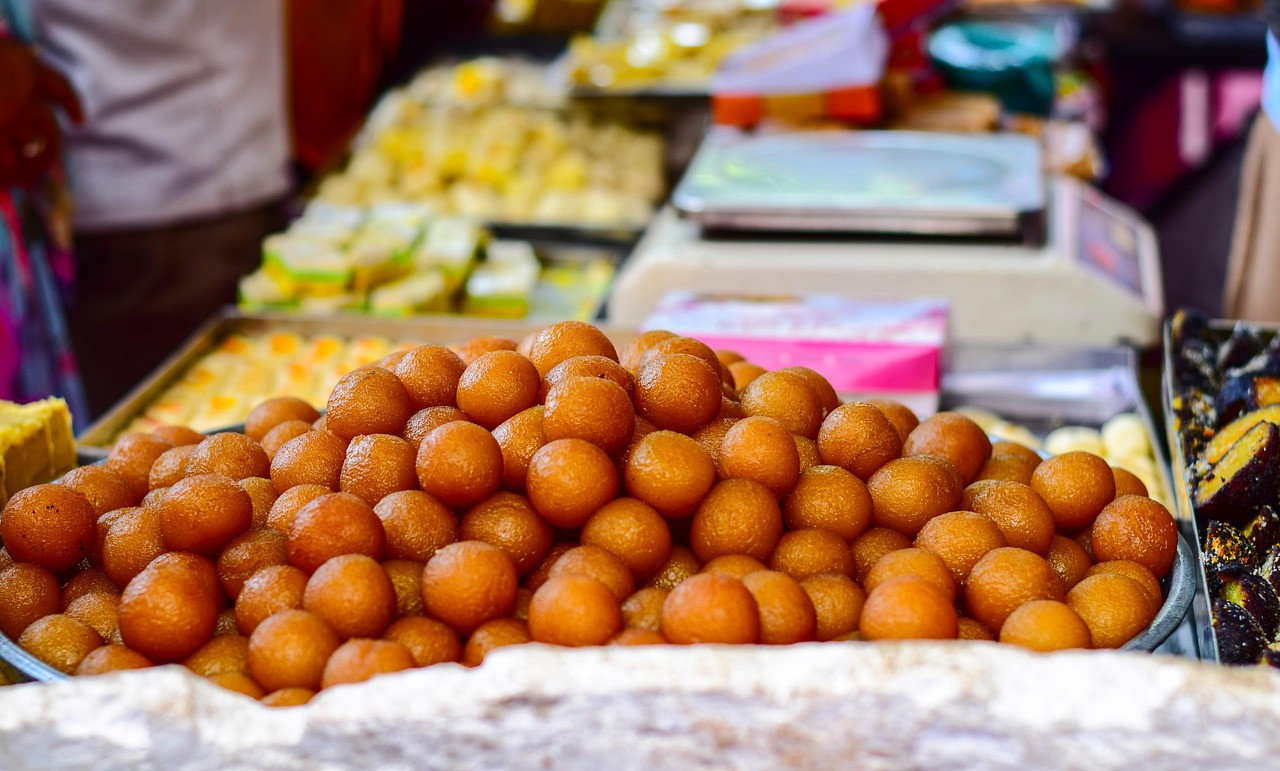
Representative image: RavendraSingh / Pixabay
Delhi's food safety department found 19 of 59 branded desi ghee samples unsafe and four non-compliant, the Chief Minister's Office said on October 17, 2026, ahead of Diwali.
What Happened
Delhi's Food Safety Department found 19 of 59 branded desi ghee samples unsafe and four more not compliant with food safety standards, the office of Chief Minister Rekha Gupta said on Saturday, October 17, 2026. Together, the 23 failed samples make up just over 42 per cent of those tested. The samples were collected from retail markets across the city, including Laxmi Nagar, Preet Vihar and Kondli, as part of a festival-season drive ordered by the Chief Minister, which also included inspections of large online grocery warehouses.
Key Facts
- Samples tested: 59 branded desi ghee samples from retail hubs across Delhi.
- Results: 19 declared unsafe; 4 found not compliant with standards; 23 in all, or about 42 per cent, failed.
- Who announced it: the Delhi Chief Minister's Office, on October 17, 2026, describing a drive carried out on the Chief Minister's directions.
- Warehouse checks: inspectors visiting warehouses of major quick-commerce and e-commerce grocery platforms reported expired products, pests, unhygienic storage, broken cold chains, damaged packaging and labelling problems.
- Action: the department collected food samples and issued improvement notices to the establishments concerned, with further action to follow under the rules.
- Wider drive: the department has separately reported seizing about 8,800 litres of substandard and adulterated ghee in the past month, as inspections of sweet shops and warehouses intensify before Diwali.
Why It Matters
Ghee, or clarified butter, is central to Indian cooking and to festival food: it goes into laddoos, halwa and many other sweets, into the lamp for puja and into everyday dal and rotis. Demand peaks between Navratri and Diwali, and so does the temptation to cut costs. Adulteration usually means mixing cheaper fats, such as vegetable oils or vanaspati, into ghee, or selling it under a false label.
The Delhi results are striking because the samples were branded products bought from ordinary retail shops, not loose ghee from an unknown source. Under India's food safety law, "unsafe" is the most serious finding: it means the food is considered harmful to health. "Substandard" or non-compliant means it does not meet the quality standards set for that food, even if it is not considered harmful. Both are offences for the seller or maker, with unsafe food attracting heavier penalties.
The warehouse inspections point to a newer risk. More households now order groceries, including dairy products and sweets, through quick-commerce apps that promise delivery in minutes. Those apps depend on small "dark store" warehouses, where cold storage and stock rotation must be maintained to keep perishable items safe. Inspectors' findings of broken cold chains and expired stock show that speed of delivery does not guarantee safety.
There are simple steps families can take, based on official food safety guidance: buy from licensed sellers, check that the pack carries an FSSAI licence number, a batch number and a use-by date, avoid unusually cheap ghee, and report suspect products through FSSAI's consumer channels. Home tests shared online are not reliable proof of adulteration; only an accredited laboratory test is.
Impact
Short-term: Brands and sellers whose samples failed face legal action under the Food Safety and Standards Act, and warehouses that received improvement notices must fix the problems found. Consumers buying ghee and sweets for Diwali may become more careful about where they buy.
Long-term: Repeated failures in festival-season testing add pressure on regulators to test more often, publish brand-level results and act faster. For honest dairy producers and cooperatives, stronger enforcement can protect their market from cheaper fake products.
Who is affected: Delhi households buying ghee and sweets for the festival season; ghee brands and retailers; quick-commerce and online grocery companies; sweet makers who use ghee in bulk; and the city's food safety officials.
Key Takeaway
Nearly 42 per cent of branded desi ghee samples tested in Delhi failed food safety checks, with 19 of 59 declared unsafe, the Chief Minister's Office said on October 17, 2026.
Questions and Answers
How many desi ghee samples were found unsafe in Delhi?
Of 59 branded desi ghee samples tested by Delhi's Food Safety Department, 19 were declared unsafe and four were found not compliant with standards, the Chief Minister's Office said on October 17, 2026.
What is the difference between unsafe and substandard food?
Under India's food safety law, unsafe food is food considered harmful to health. Substandard food fails the quality standards set for it but is not necessarily harmful. Both are offences, and unsafe food carries heavier penalties.
Were online grocery warehouses also inspected?
Yes. Inspectors visited warehouses of major quick-commerce and e-commerce grocery platforms and reported expired products, pests, poor hygiene, broken cold chains and labelling problems, and issued improvement notices.
How can I buy safer ghee for Diwali?
Buy from licensed sellers, check the pack for an FSSAI licence number, batch number and use-by date, avoid prices that look too low, and report suspect products to food safety authorities. Only a lab test can confirm adulteration.
Disclaimer: Prepared by the Peepals newsroom from publicly available sources with AI assistance. Information is accurate to the best of our knowledge at the time of publication and may change. Images may be representative. Not professional advice. Report an error via our contact page.
Sourced and fact-checked by the Peepals Global Editorial Team
Reported, fact-checked and published by the Peepals Global Editorial Team.