
Spain's menopause sick leave starts December 1; doctors seek common rules
 By Vikram JoshiLife Balance Correspondent, Peepals Shakti
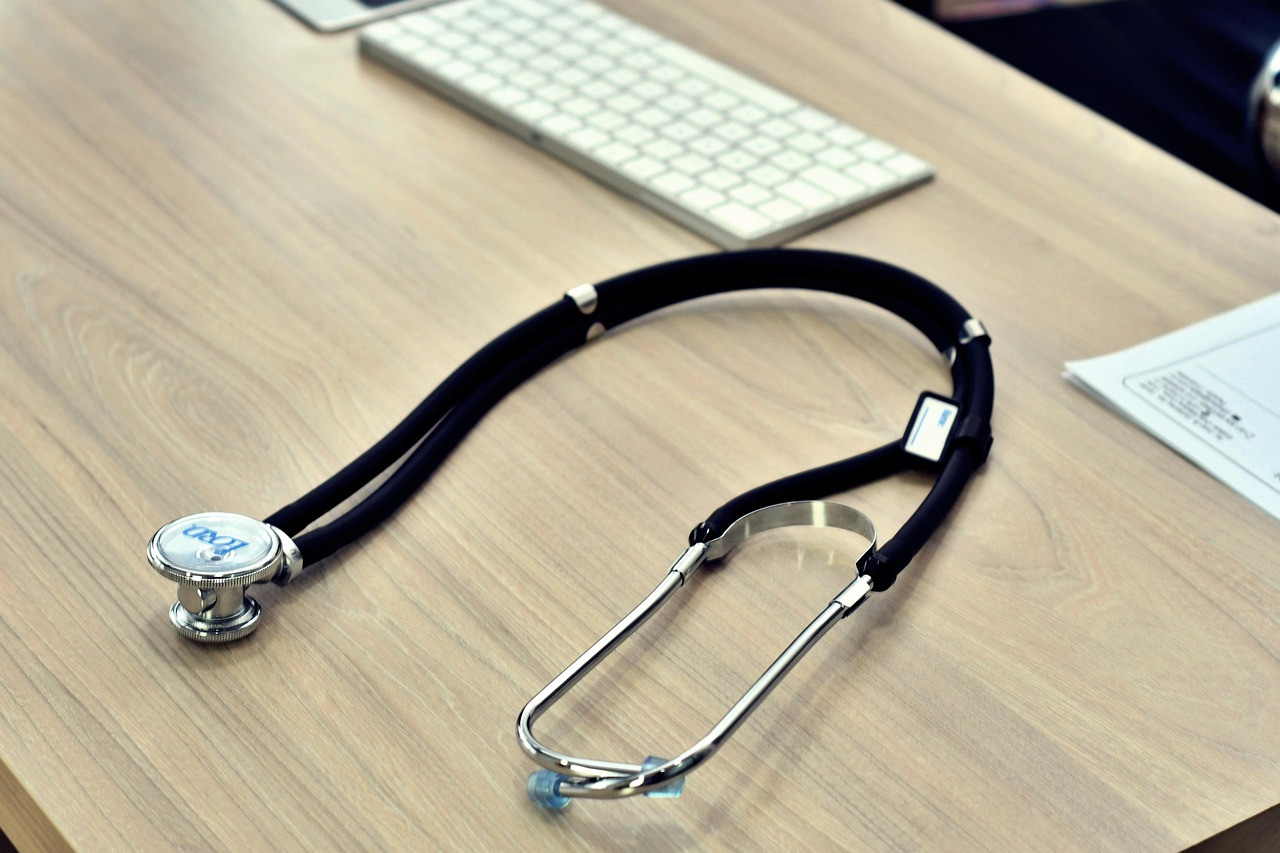
Representative image: orzalaga / Pixabay
Spain will pay sick benefit for disabling menopause-related conditions from 1 December 2026; on 27 October doctors asked for common criteria.
What Happened
Spain will pay a sick-leave benefit to women who cannot work because of a medically recognised condition linked to menopause, from 1 December 2026, under Royal Decree-law 31/2026, which the government approved on 20 October and published in the Official State Gazette on 21 October. In the week since, the rule has drawn debate among Spanish doctors: on 27 October, family doctors asked for common criteria on when to grant the leave, while gynaecologists said the change does not alter medical practice. Because it is a decree-law, the measure still has to be validated by the Spanish Congress within a month of publication, by about 21 November.
Key Facts
- The decree creates a "special temporary incapacity" for a limiting condition linked to a menopausal disorder; it is not automatic leave for every woman going through menopause.
- The menopause provisions take effect on 1 December 2026, under the decree's fourth final provision.
- No minimum period of Social Security contributions is needed to qualify.
- The benefit is reported at 60% of the worker's regulatory base up to day 20 of leave and 75% from day 21; the employer pays full salary for the first day.
- The same decree also covers sick leave for injuries caused by gender violence and changes to widowhood pensions.
- A decree-law takes effect at once but must be validated in Congress within 30 days, or it is repealed.
- On 27 October, Spanish family doctors called for common criteria for the menopause leave; gynaecologists said incapacitating conditions could already justify sick leave.
Why It Matters
Menopause is a normal stage of life, but for some women a condition linked to it can make work very difficult. The new rule gives such cases their own category, recorded with a medical code, with no minimum contribution period. The government's point is that women should not lose income or protection because a menopause-related condition is treated as a private matter.
The debate among doctors shows where the hard part lies. Mariam de la Poza, who heads the Spanish Society of General and Family Physicians (SEMG) in Catalonia, welcomed the recognition but stressed that menopause itself is physiological, and that leave should follow from a specific condition that stops a woman working, not from being in menopause. Gynaecologists questioned whether a separate category is needed at all, since a disabling condition can already justify sick leave. Both positions point to the same practical question for the 1 December start: how doctors will decide, consistently, which cases qualify.
For women anywhere balancing careers with midlife health, Spain's move is part of a wider shift in how workplaces treat menopause. Several countries have debated menopause at work through guidance, employer policies or proposed laws; Spain is putting it into its social security system. How many women use the leave, and how doctors apply it, will be watched by other governments and employers.
Peepals calculation: From day 21 of leave, the reported benefit rises from 60% to 75% of the regulatory base, an increase of 25% in what the worker receives (75 / 60 = 1.25). For a regulatory base of 100 units a day, that is 60 units a day up to day 20 and 75 units from day 21. Our calculation from the reported figures.
| Stage | Date |
|---|---|
| Government approves Royal Decree-law 31/2026 | 20 October 2026 |
| Published in the Official State Gazette | 21 October 2026 |
| Doctors' groups give differing views | 27 October 2026 |
| Deadline for validation in Congress | About 21 November 2026 |
| Menopause sick-leave rules take effect | 1 December 2026 |
Impact
Short-term: Spain's Congress must validate the decree-law by about 21 November; doctors and health services will need to agree how to certify qualifying cases before 1 December.
Long-term: If it works as intended, women with disabling menopause-related conditions in Spain can take leave without a contribution test, which could help more of them stay in work through midlife.
Who is affected: Working women in Spain with menopause-related conditions that stop them working; family doctors and gynaecologists who will certify the leave; employers, who pay the first day; and Spain's Social Security system.
What to watch next: The validation vote in Congress, due within a month of the decree's 21 October publication, and the start of the menopause leave on 1 December 2026.
Key Takeaway
From 1 December 2026, Spain will pay women a special sick-leave benefit for medically recognised, disabling menopause-related conditions, with no minimum contribution period, though doctors are still debating how to apply it.
Questions and Answers
Does Spain's menopause sick leave cover every woman in menopause?
No. It covers women who cannot work because of a medically recognised condition linked to a menopausal disorder, certified by a doctor. It is not an automatic entitlement for everyone going through menopause.
When does Spain's menopause leave start?
The menopause provisions of Royal Decree-law 31/2026 take effect on 1 December 2026. The decree was published on 21 October 2026 and must be validated by Congress within a month.
How much is paid during Spain's menopause sick leave?
According to reports on the decree, the employer pays full salary for the first day, then the benefit is 60% of the regulatory base up to day 20 and 75% from day 21. No minimum contribution period is required.
Why are Spanish doctors debating the menopause leave?
Family doctors have asked for common criteria so that the leave is granted consistently and for specific disabling conditions, while gynaecologists say incapacitating conditions could already justify ordinary sick leave, so the change does not alter medical practice.
Disclaimer: Prepared by the Peepals newsroom from publicly available sources with AI assistance. Information is accurate to the best of our knowledge at the time of publication and may change. Images may be representative. Not professional advice. Report an error via our contact page.
By Vikram Joshi, Life Balance CorrespondentCovers Life Balance and more for Peepals Shakti. All stories by Vikram Joshi
Get the day's stories in your inbox
Peepals Weekly: the week decoded, free. One email a week, unsubscribe in one click.
Vikram Joshi is a pen name of the Peepals Global Editorial Team, which researches, fact-checks and publishes every story. The portrait is an illustration.