
Clue study: 48% of women say menstrual symptom concerns were dismissed
 By Vikram JoshiLife Balance Correspondent, Peepals Shakti
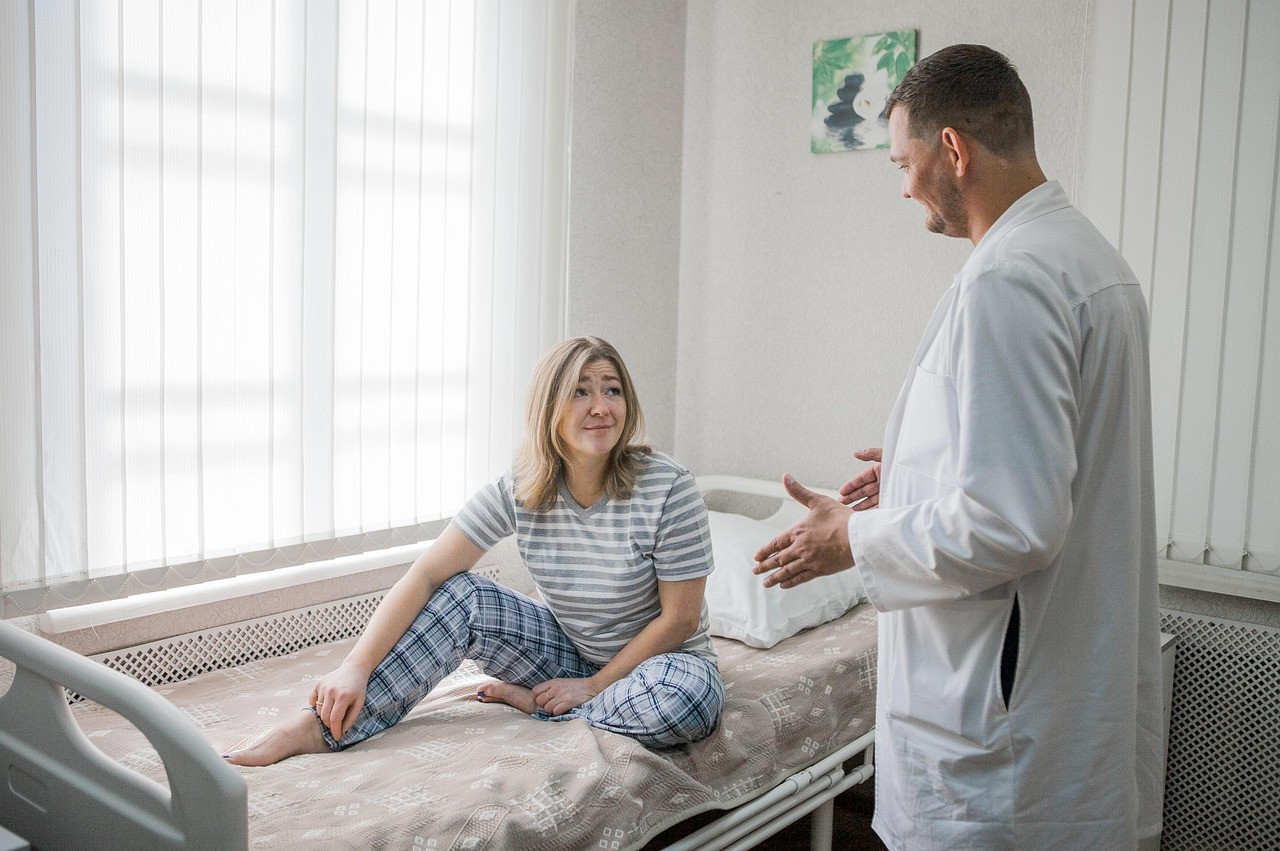
Representative image: rc-respect / Pixabay
A Clue survey of 11,910 app users, released on 4 November 2026, found only 29% of those who saw a provider about menstrual symptoms got a diagnosis or treatment.
What Happened
Nearly half of women who sought medical help for menstrual symptoms say their concerns were not taken seriously, according to a study released by the period-tracking app Clue on Wednesday, 4 November 2026. The study, a global survey of 11,910 Clue users in 132 countries, has been published in the peer-reviewed journal npj Women's Health. Among users who had seen a healthcare provider about their symptoms, 34% said they were told the symptoms were normal or not a problem, while 29% said they received a diagnosis or treatment.
Key Facts
- The survey covered 11,910 users of the Clue menstrual tracking app, living in 132 countries.
- Most respondents lived in North America (44%) or Europe (37%), according to the published paper.
- The survey was carried out among Clue users in May 2024; the results were announced on 4 November 2026.
- 48% of women who sought medical help for menstrual symptoms said their concerns were not taken seriously, the company said.
- Of those who consulted a provider, 34% (1,391 people) were told their symptoms were normal or not a problem.
- Only 29% (1,193 people) of those who consulted a provider received a diagnosis or treatment.
- The study was funded by Biowink GmbH, the company that develops Clue, and its researchers are affiliated with the company.
Why It Matters
The study asked a simple question with a practical edge: when people take period symptoms to a clinician, what happens next? The new figures put a number on how often that happens inside the doctor's room: in this sample, a woman who went to a clinician about her period was more likely to be told it was normal than to leave with a diagnosis or a treatment plan.
That gap matters for life balance. A symptom that is waved away is a symptom that keeps returning every month, along with the time off, the painkillers and the stress that come with it. It can also delay the diagnosis of conditions that need treatment, which is why the study looked at what happened after people asked for help, not only at how they felt.
Clue's chief executive, Rhiannon White, said in the company's statement: "Just because menstrual symptoms are common doesn't mean people should have to put up with them." The company also says the findings show how users turn to tracking apps to understand and manage their symptoms.
The study has limits that readers should keep in mind. It is a survey of people who already use a period-tracking app, not a random sample of all women, and the answers are self-reported. The company that makes the app funded the work and employs or contracts members of the research team; the paper states that, beyond this, the company had no further role in the design, data collection, analysis or writing. The responses were collected in May 2024, so they describe experiences up to that point.
Peepals calculation: The paper gives both the percentages and the head-counts for people who saw a provider, so the size of that group can be worked out. 1,391 people are 34% of it (1,391 / 0.34 ≈ 4,090) and 1,193 people are 29% of it (1,193 / 0.29 ≈ 4,110), so roughly 4,100 respondents had consulted a provider, about one in three of the 11,910 surveyed (4,100 / 11,910 ≈ 34%). Within that group, 198 more people were told their symptoms were normal than received a diagnosis or treatment (1,391 - 1,193). The two percentages may use slightly different bases, so these are approximate. Our calculation from the reported figures.
There is also a point about geography. Respondents in North America and Europe made up 81% of the sample (44% + 37%), leaving about 19% from the rest of the world. That means the results speak mostly for women in those regions, and the experience of women in India and other parts of Asia is only a small part of the data.
| Finding | Share | People |
|---|---|---|
| Told symptoms were normal or not a problem | 34% | 1,391 |
| Received a diagnosis or treatment | 29% | 1,193 |
| Respondents in North America | 44% | not given |
| Respondents in Europe | 37% | not given |
Impact
Short-term: The figures add to the discussion among doctors and women's health groups about how menstrual complaints are handled in routine consultations.
Long-term: Published, peer-reviewed data from a large sample gives researchers and health services a benchmark to compare against when they study how women's symptoms are assessed.
Who is affected: Women and girls who live with painful or disruptive periods, the doctors and nurses who see them, and the makers of health-tracking apps whose users increasingly bring their own records to appointments.
Key Takeaway
In a peer-reviewed survey of 11,910 Clue users, only 29% of those who saw a provider about menstrual symptoms got a diagnosis or treatment, while 34% were told their symptoms were normal.
Questions and Answers
What did the Clue study on menstrual symptoms find?
The study, announced on 4 November 2026, found that 48% of women who sought medical help for menstrual symptoms felt their concerns were not taken seriously. Among those who saw a provider, 34% were told their symptoms were normal and 29% received a diagnosis or treatment.
How many people took part and where were they from?
11,910 users of the Clue app took part, from 132 countries. Most lived in North America (44%) or Europe (37%), so the findings mainly reflect women in those regions.
Was the study independent?
No. It was funded by Biowink GmbH, the company behind Clue, and the researchers are affiliated with it. It was published in the peer-reviewed journal npj Women's Health, and the paper says the company had no further role beyond employing or contracting the research team.
Does the study mean period pain is always a sign of illness?
No. The study measured how people felt they were treated when they sought help, not how many had an underlying condition. It is a self-reported survey of app users and does not give medical advice.
Disclaimer: Prepared by the Peepals newsroom from publicly available sources with AI assistance. Information is accurate to the best of our knowledge at the time of publication and may change. Images may be representative. Not professional advice. Report an error via our contact page.
By Vikram Joshi, Life Balance CorrespondentCovers Life Balance and more for Peepals Shakti. All stories by Vikram Joshi
UK says sorry to Ukrainian refugee children pushed to take Russian GCSE
US midterms: Bottoms, Haaland, Klobuchar, Blackburn win historic governor races
Get the day's stories in your inbox
Peepals Weekly: the week decoded, free. One email a week, unsubscribe in one click.
Vikram Joshi is a pen name of the Peepals Global Editorial Team, which researches, fact-checks and publishes every story. The portrait is an illustration.