
Guest lecturer can't be denied maternity pay, Chhattisgarh High Court rules
 By Vikram JoshiLife Balance Correspondent, Peepals Shakti

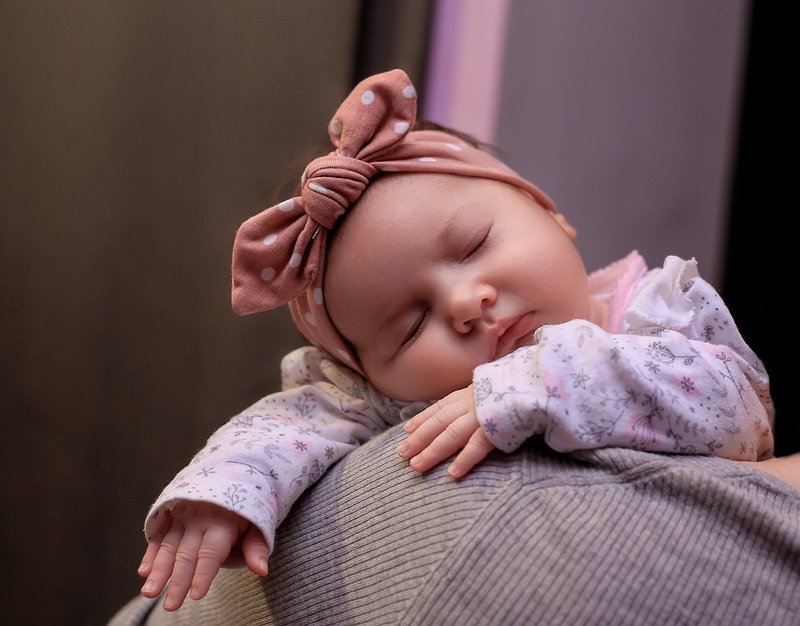
Representative image: martins2018 / Pixabay
On October 27, 2026, the Chhattisgarh High Court held a guest lecturer is owed salary for her maternity leave, saying the 1961 Act is not limited to regular staff.
What Happened
The Chhattisgarh High Court has ruled that a woman working as a guest lecturer at a government college cannot be denied her salary for the period of her maternity leave just because she is not a regular employee. In an order dated October 27, 2026, in the case of Pushpa Jaiswal versus the State of Chhattisgarh, Justice Bibhu Datta Guru held that nothing in the Maternity Benefit Act, 1961 restricts its benefits to regular women employees, and directed the state authorities to decide her claim for the unpaid salary, preferably within three months of receiving the order.
Key Facts
- The order was passed on October 27, 2026 by Justice Bibhu Datta Guru of the Chhattisgarh High Court.
- The petitioner had worked as a guest lecturer at a government college since August 2024 and took maternity leave.
- The state argued that, as a guest lecturer and not a regular employee, she could not claim maternity benefits.
- The court held that the Maternity Benefit Act, 1961 does not limit its benefits to regular employees and does not exclude women engaged on a casual or guest basis.
- The court said that once maternity leave had been granted, the authorities were obliged to release the salary for that period.
- The state has been directed to decide her claim, preferably within three months of receiving a copy of the order.
- The ruling came a day after a Rajasthan High Court judgment, reported on October 26, 2026, which held that maternity leave cannot be refused merely because of the nature of a woman's employment.
Why It Matters
Government colleges in many states rely on guest lecturers, ad hoc staff and contract workers alongside permanent faculty. They often teach the same courses in the same classrooms, but without the same job security. When such a woman becomes pregnant, the question of whether she will be paid during her leave can decide whether she keeps working at all. Losing pay at that moment can push a woman to cut her leave short or give up the job.
The Chhattisgarh ruling answers that question in clear terms for one case: the law that guarantees paid maternity leave does not draw a line between permanent and temporary staff. The court's reasoning rests on the text of the 1961 Act, which, it said, contains nothing that limits the benefit to regular employees. It also made a practical point: if the department has already sanctioned a woman's maternity leave, it cannot then refuse to pay her for it.
The judgment is part of a pattern. In the same week, the Rajasthan High Court held that maternity leave is a statutory right meant to help a woman recover her strength after childbirth and cannot be denied because of how she is employed. In 2025, the Chhattisgarh High Court gave similar relief to a contractual staff nurse, holding that her maternity leave salary could not be withheld because she was on contract. Together, these rulings send a consistent message to state departments that rely heavily on non-permanent staff.
For women balancing a temporary job and a new baby, the practical lesson is to apply for maternity leave in writing, keep a copy of the sanction order and, if pay is withheld, cite these rulings when raising the matter with the department. A single order applies to the petitioner, but it can be relied on by others in a similar position.
| Court | Date | What was held |
|---|---|---|
| Chhattisgarh High Court | October 27, 2026 | Guest lecturer owed salary for maternity leave; Act not limited to regular staff |
| Rajasthan High Court | Reported October 26, 2026 | Maternity leave cannot be denied because of the nature of employment |
| Chhattisgarh High Court | 2025 | Contractual staff nurse's maternity leave salary cannot be withheld |
Impact
Short-term: The petitioner's claim for her unpaid maternity salary must now be decided by the Chhattisgarh higher education authorities, preferably within three months of their receiving the order.
Long-term: Repeated rulings from different High Courts make it harder for government departments to refuse maternity pay to guest, contract or casual staff, and may push states to state the entitlement plainly in their rules for such staff.
Who is affected: Women working as guest lecturers, contract teachers, staff nurses and other non-regular staff in government institutions, the departments that employ them, and families who depend on that income during and after pregnancy.
Key Takeaway
The Chhattisgarh High Court has held that the Maternity Benefit Act, 1961 protects guest lecturers too, so a sanctioned maternity leave must be paid regardless of whether the woman is a regular employee.
Questions and Answers
Is a guest lecturer entitled to maternity leave pay?
According to the Chhattisgarh High Court's order of October 27, 2026, yes. The court held that the Maternity Benefit Act, 1961 does not restrict its benefits to regular employees and that salary for sanctioned maternity leave cannot be denied because the woman is a guest lecturer.
What did the state argue in this case?
The state said the petitioner could not claim maternity benefits because she was a guest lecturer and not a regular employee. The court rejected that argument.
What happens next for the petitioner?
The court directed the state authorities to decide her claim for the unpaid maternity leave salary at the earliest, preferably within three months of receiving a copy of the order.
Have other courts ruled the same way?
Yes. The Rajasthan High Court, in a judgment reported on October 26, 2026, held that maternity leave cannot be denied because of the nature of employment, and the Chhattisgarh High Court granted similar relief to a contractual staff nurse in 2025.
Disclaimer: Prepared by the Peepals newsroom from publicly available sources with AI assistance. Information is accurate to the best of our knowledge at the time of publication and may change. Images may be representative. Not professional advice. Report an error via our contact page.
By Vikram Joshi, Life Balance CorrespondentCovers Life Balance and more for Peepals Shakti. All stories by Vikram Joshi
Lyst Index Q3 2026: Prada back at No. 1, Chanel second
Meta extends parent alerts on teen self-harm searches to Facebook
Get the day's stories in your inbox
Peepals Weekly: the week decoded, free. One email a week, unsubscribe in one click.
Vikram Joshi is a pen name of the Peepals Global Editorial Team, which researches, fact-checks and publishes every story. The portrait is an illustration.