
ICRIER: women's workforce doubles to 201 million, but unpaid care gap stays
 By Vikram JoshiLife Balance Correspondent, Peepals Shakti
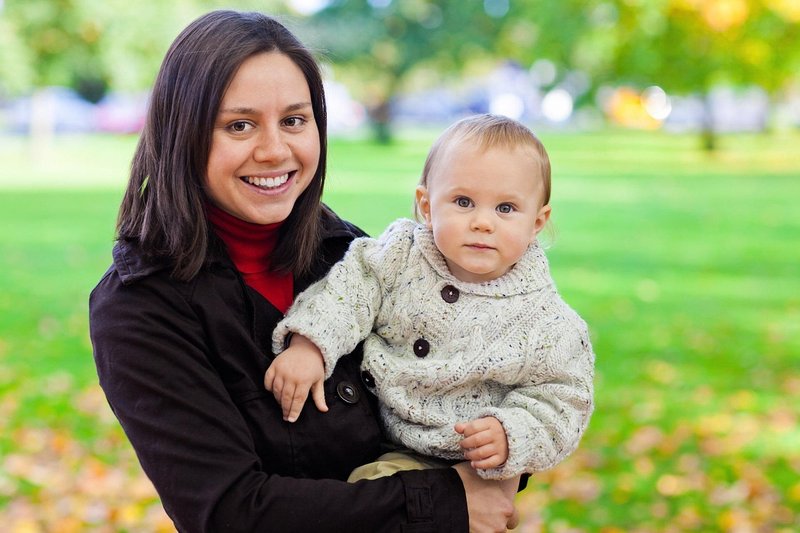
Representative image: stephaniemonot / Pixabay
An ICRIER report released around October 30, 2026 finds India's working women rose from 104 million to 201 million since 2017-18, but unpaid care hours barely changed.
What Happened
The number of women working in India nearly doubled between 2017-18 and 2025, from 104 million to 201 million, but most of the gain came from farm work, self-employment and unpaid work in family enterprises, and women's load of unpaid housework and care barely eased, according to a report by the Indian Council for Research on International Economic Relations (ICRIER). The report, "The Participation Paradox: Women's Work and Time-Use in India, 2017-18 to 2025", was released at the end of October 2026. It draws on the government's Periodic Labour Force Survey (PLFS) for 2017-18 and 2025 and its Time Use Survey for 2019 and 2024.
Key Facts
- Working women rose from 104 million in 2017-18 to 201 million in 2025, ICRIER said.
- Unpaid family workers among women rose from 28.8 million to 49.3 million.
- Regular salaried jobs grew in number, but their share of women's work fell from 10.5% to 9.3%.
- The rise was led by less-educated women: the worker population ratio was 45.3% among women below primary education in 2025, against 19.8% among women with higher education.
- Average weekly working hours fell for every group; rural women's working week shrank the most, by a little over six hours.
- In 2024, women spent about 223 minutes a day more than men on unpaid domestic work, roughly unchanged since 2019, and the gap in care work widened from 58 to 63 minutes.
- Six in 10 women outside the labour force cited childcare and household duties as the main reason.
Why It Matters
For years, India's low share of women in paid work was one of the most discussed puzzles in its economy. The headline numbers now look much better. ICRIER's point is that a higher count does not by itself mean a better working life. Much of the new work is in agriculture, small self-run activities or unpaid help in a family farm or shop, which brings little or no income of a woman's own, little security and few benefits. The share of women in regular salaried jobs, the kind that usually come with a fixed wage and some social security, has actually fallen.
The time-use data explain why. Time-use surveys record how people spend each part of their day, including cooking, cleaning and caring for children and older relatives, work that is unpaid and often invisible in job statistics. In 2024, women still spent close to four hours a day more than men on unpaid domestic work, about the same as in 2019, and the gap in care work grew. When a woman takes on paid or family-enterprise work on top of this, the result is a double shift. That is the paradox in the report's title: more women are counted as working, but their days have not been redesigned to make room for it.
This is also why the hours data matter. Shorter working weeks, especially for rural women, suggest that many women fit paid or family work around household duties, in low-intensity, part-time patterns, rather than holding full-time jobs. The six in 10 women outside the workforce who point to childcare and household duties show where the main barrier lies.
The authors argue that policy should aim for productive, secure and better-paid work for women rather than simply higher participation rates. Practical steps often discussed in this context include affordable childcare and crèches near workplaces, flexible working arrangements, and sharing of care work within families.
Impact
Short-term: The report adds evidence to debates on childcare provision, crèche rules at workplaces and the design of schemes for women's employment.
Long-term: Unless the unpaid care load is shared or supported, gains in women's employment are likely to stay concentrated in low-paid, low-hour work, limiting women's incomes and financial independence.
Who is affected: Working women and those who want to work, especially in rural India; families that depend on women's unpaid care; employers; and policymakers designing employment and childcare schemes.
Key Takeaway
ICRIER finds that India's working women nearly doubled to 201 million by 2025, but most of the new work is low-paid or unpaid and women's unpaid care burden remains about as heavy as before.
Questions and Answers
What does the ICRIER report on women's work find?
"The Participation Paradox" finds that women workers in India rose from 104 million in 2017-18 to 201 million in 2025, mainly in agriculture, self-employment and unpaid family work, while the share of regular salaried jobs in women's work fell from 10.5% to 9.3%.
How much more unpaid work do women do than men?
According to the Time Use Survey data cited by ICRIER, women spent about 223 minutes a day more than men on unpaid domestic work in 2024, roughly the same as in 2019, and the care-work gap widened from 58 to 63 minutes.
Why do many women stay out of paid work?
Six in 10 women outside the labour force cited childcare and household commitments as the main reason, the report found.
What does ICRIER recommend?
It argues that India should focus on productive, secure and better-paid work for women rather than only on raising participation numbers.
Disclaimer: Prepared by the Peepals newsroom from publicly available sources with AI assistance. Information is accurate to the best of our knowledge at the time of publication and may change. Images may be representative. Not professional advice. Report an error via our contact page.
By Vikram Joshi, Life Balance CorrespondentCovers Life Balance and more for Peepals Shakti. All stories by Vikram Joshi
Get the day's stories in your inbox
Peepals Weekly: the week decoded, free. One email a week, unsubscribe in one click.
Vikram Joshi is a pen name of the Peepals Global Editorial Team, which researches, fact-checks and publishes every story. The portrait is an illustration.