
Most midlife women unaware menopause raises heart risk, CARAMEL survey finds
 By Vikram JoshiLife Balance Correspondent, Peepals Shakti
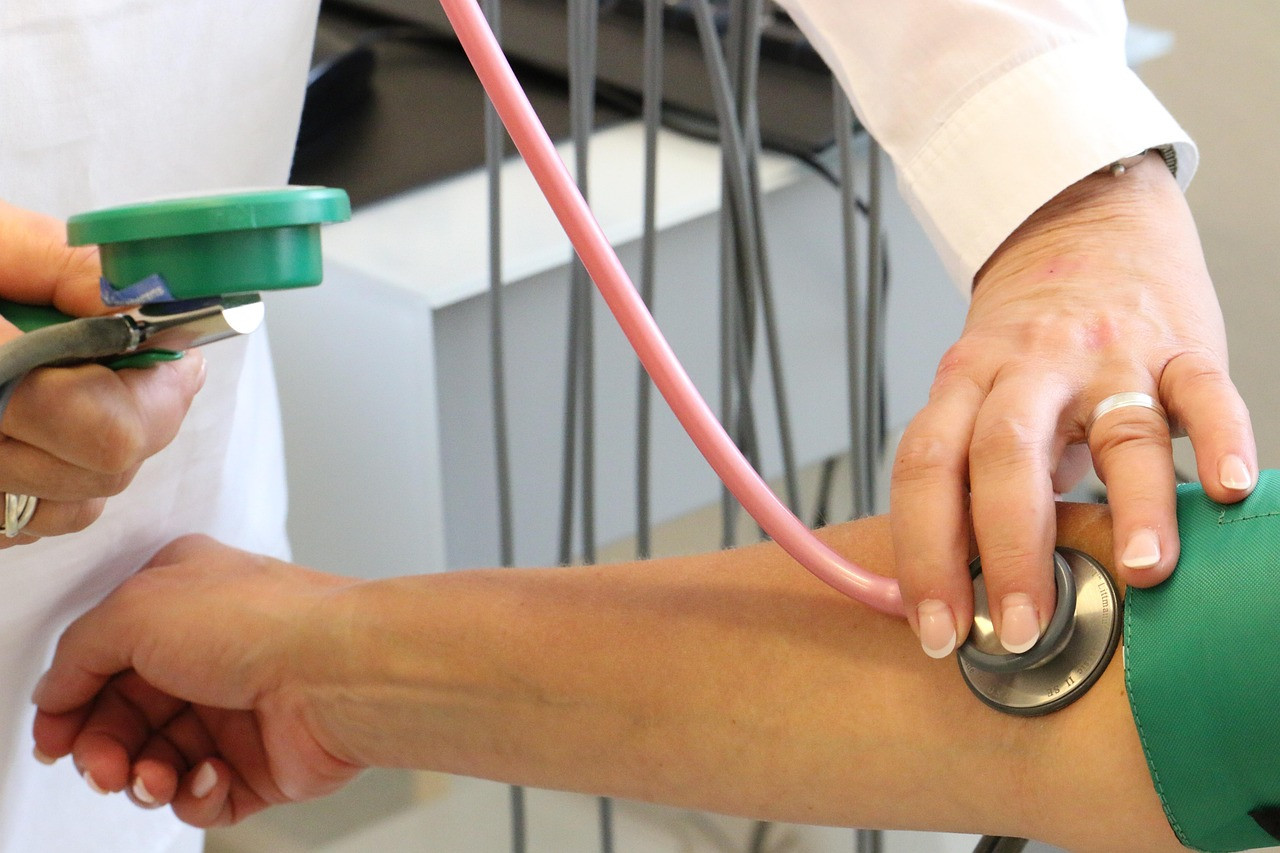
Representative image: tomwieden / Pixabay
A survey of 7,470 women aged 40 to 60 in six countries, reported on 29 October 2026, found more than half did not know menopause can raise heart disease risk.
What Happened
More than half of women aged 40 to 60 who took part in a six-country survey did not know they were at risk of heart disease, or that menopause can raise that risk, according to findings from the CARAMEL research project reported on 29 October 2026. The survey of 7,470 women in Ireland, Spain, Greece, Croatia, Lithuania and Colombia was led by researchers at Trinity College Dublin's School of Nursing and Midwifery, and the team says many of the women had never talked about their heart with a doctor or nurse even though most were living with several symptoms.
Key Facts
- The survey covered 7,470 women aged 40 to 60 in six countries: Ireland, Spain, Greece, Croatia, Lithuania and Colombia.
- 48% of the women knew that heart disease is the leading cause of death among women.
- Only 45% knew that an early menopause increases the risk of heart disease.
- Nearly half had not discussed heart health with a clinician in the previous year, and the warning signs of a heart attack in women were the least known topic.
- The work is part of CARAMEL (CArdiovascular Risk Assessment in MEnopausaL women), funded with almost 12 million euros from the European Union's Horizon Europe programme over five years.
- The project brings together 25 research partners from 11 countries; the questionnaire used was described in the journal BMC Women's Health.
Why It Matters
Menopause is the point at which a woman's periods stop for good, usually in her late 40s or early 50s, and the years leading up to it are called perimenopause. During this transition the body's levels of the hormone oestrogen fall. The CARAMEL researchers set out to measure how well women understand that this stage of life is also a time when heart and blood-vessel risk deserves closer attention.
The findings point to a gap between what women know and what they experience. Most respondents knew the classic risk factors, such as high blood pressure and being overweight, the team reported. But fewer than half connected menopause itself with heart risk, and fewer than half could say that heart disease is the leading cause of death in women. For a woman trying to balance a career, a family and her own health in her 40s and 50s, symptoms such as tiredness, poor sleep or palpitations are easy to put down to stress or a busy life. The survey suggests that many of these conversations are not happening in the clinic either.
The project team has built an online CVD Prevention Portal (CVD stands for cardiovascular disease, meaning disease of the heart and blood vessels) to help women learn about heart health during menopause and to help health workers give better advice. Dr Sharon O'Donnell of Trinity's School of Nursing and Midwifery, who leads the CARAMEL work there, has presented the portal as a practical next step from the survey.
The survey did not include India. Its value for Indian readers lies in the questions it raises rather than in any India-specific numbers: whether midlife women here are asked about heart symptoms during routine check-ups, and whether menopause is discussed as more than a matter of hot flushes.
| What the survey measured | What it found |
|---|---|
| Knew heart disease is women's leading cause of death | 48% |
| Knew early menopause raises heart disease risk | 45% |
| Had not discussed heart health with a clinician in the past year | Nearly half |
| Least-known topic | Heart attack warning signs in women |
Impact
Short-term: The results give doctors, nurses and women's health groups a clear message to carry into routine visits: a midlife check-up is a chance to ask about the heart, not only about menopause symptoms.
Long-term: CARAMEL is a five-year programme. Its survey, interviews and co-design workshops with women and clinicians in all six countries are meant to feed into tools for assessing a woman's personal heart risk during menopause. How well those tools work will depend on later studies.
Who is affected: Women in their 40s and 50s, especially those going through perimenopause or an early menopause, and the primary-care doctors and nurses who see them.
Key Takeaway
In a survey of 7,470 midlife women across six countries, fewer than half knew that heart disease is women's leading cause of death or that early menopause raises that risk.
Questions and Answers
What did the CARAMEL menopause and heart health survey find?
In a survey of 7,470 women aged 40 to 60 in Ireland, Spain, Greece, Croatia, Lithuania and Colombia, more than half did not know they were at risk of heart disease or that menopause can raise that risk. Only 45% knew that early menopause increases risk, and 48% knew heart disease is the leading cause of death in women.
What is CARAMEL?
CARAMEL stands for CArdiovascular Risk Assessment in MEnopausaL women. It is a European Union Horizon Europe research project of 25 partners from 11 countries, funded with almost 12 million euros over five years, that studies heart and blood-vessel risk in women around menopause.
Does this survey give medical advice to women?
No. It measures what women know and what they have discussed with clinicians. It does not test any treatment. Women with concerns about their heart, such as chest pain, breathlessness or palpitations, should speak to a qualified doctor.
Did the survey include women in India?
No. It covered Ireland, Spain, Greece, Croatia, Lithuania and Colombia, so its percentages cannot be applied directly to Indian women, although the questions it raises about midlife heart check-ups are relevant everywhere.
Disclaimer: Prepared by the Peepals newsroom from publicly available sources with AI assistance. Information is accurate to the best of our knowledge at the time of publication and may change. Images may be representative. Not professional advice. Report an error via our contact page.
By Vikram Joshi, Life Balance CorrespondentCovers Life Balance and more for Peepals Shakti. All stories by Vikram Joshi
Web Summit report: 42% of women in tech weigh stepping back
Anita Tanna becomes Barclays' first Chief AI Officer as bank reshapes work
Get the day's stories in your inbox
Peepals Weekly: the week decoded, free. One email a week, unsubscribe in one click.
Vikram Joshi is a pen name of the Peepals Global Editorial Team, which researches, fact-checks and publishes every story. The portrait is an illustration.