
Menopause hormone therapy linked to more frequent, not worse, migraines: review
 By Vikram JoshiLife Balance Correspondent, Peepals Shakti

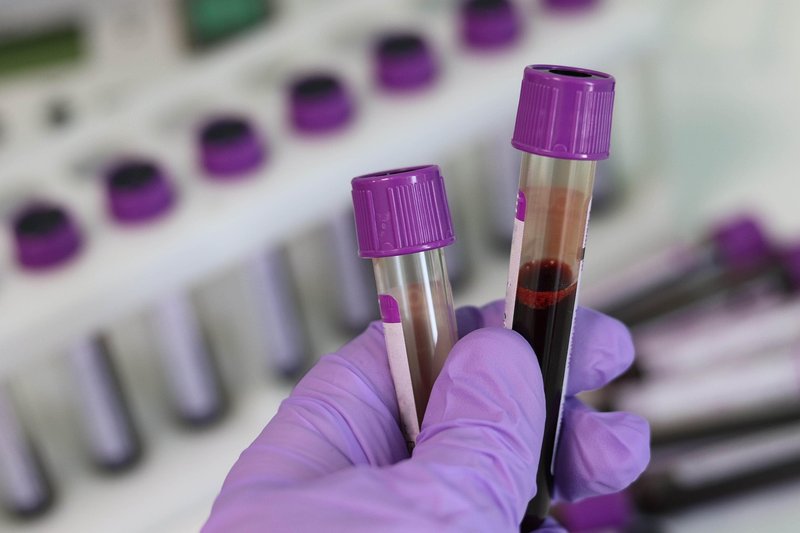
Representative image: RobinHiggins / Pixabay
A review of five studies with 23,702 women, presented at The Menopause Society's October 2026 meeting, tied hormone therapy to more migraine attacks.
What Happened
Menopause hormone therapy was linked to more frequent migraine attacks in postmenopausal women in a review of earlier studies presented at The Menopause Society's 2026 Annual Meeting in San Diego, which ran from October 20 to 24, 2026. The analysis, led by Flavia Fairbanks Ruano of the University of Miami, pooled five studies covering 23,702 women. Women using hormone therapy reported more migraine attacks a month than non-users, but the attacks were not more severe and they did not use more painkillers. The Society cautioned that the findings are preliminary.
Key Facts
- The work is a systematic review and meta-analysis: a study that searches for earlier research on a question and combines the results statistically.
- It pooled five studies with 23,702 postmenopausal women.
- Hormone therapy use was associated with about 1.16 more migraine attacks a month on average (95% confidence interval 0.19 to 2.14).
- Migraine severity scores and monthly painkiller use did not differ significantly between users and non-users.
- Across the studies, the pooled share of women with migraine was 18.94%.
- The results were presented as a conference poster and have not yet been published in a peer-reviewed journal.
- The Menopause Society's medical director, Dr Stephanie Faubion, said hormone therapy remains the most effective treatment for bothersome hot flashes and night sweats, can be used safely by many women with migraine, and that more research is needed.
Why It Matters
Migraine is a recurring headache disorder, and the women in this review were all past menopause, when periods have stopped for good. Hormone therapy is, according to The Menopause Society, the most effective treatment for bothersome hot flashes and night sweats.
So women who live with migraine and are weighing hormone therapy face a real question: will treatment for one problem worsen the other? This review adds one piece of evidence. On average, it found slightly more frequent attacks among women using hormone therapy, but not worse attacks.
The limits matter as much as the finding. The studies pooled were observational: they compared women who chose hormone therapy with women who did not, rather than assigning treatment at random. The Society noted that the link may reflect differences between the two groups. For example, women who already have migraine may be more likely to seek treatment for menopause symptoms, which would make hormone users look worse even if the therapy itself did not cause extra attacks. The review also could not say which types, doses or forms of hormone therapy (tablets, patches, gels) were involved in any difference. And a conference poster has not yet been checked by independent reviewers.
For women in India, the question is practical. Menopause care is often delayed, and conversations about symptoms such as hot flashes, sleep loss and headaches are still held back by stigma. The finding is not a reason to start or stop any medicine on one's own; it is a prompt to discuss migraine history openly with a doctor when menopause treatment is being considered.
| Measure | Hormone therapy users vs non-users |
|---|---|
| Migraine attacks per month | About 1.16 more on average |
| Migraine severity | No significant difference |
| Monthly painkiller use | No significant difference |
| Women studied | 23,702 in five studies |
Impact
Short-term: Doctors and patients get an early signal to watch migraine patterns when hormone therapy starts, and to record attack frequency so changes can be noticed.
Long-term: The Society has called for more research. Trials that compare specific hormone types and delivery methods in women with migraine would show whether the link is caused by treatment or by who chooses it.
Who is affected: Women in perimenopause and after menopause who have a history of migraine, women using or considering hormone therapy, gynaecologists, neurologists and family doctors.
Key Takeaway
A review of five studies presented at The Menopause Society's 2026 meeting linked hormone therapy with slightly more frequent, but not more severe, migraines after menopause, and the Society says more research is needed before drawing conclusions.
Questions and Answers
Does menopause hormone therapy cause migraines?
The review found an association, not proof of cause. Women using hormone therapy reported about 1.16 more migraine attacks a month on average, but the studies were observational, and the difference may partly reflect which women choose hormone therapy.
Were migraines worse for women on hormone therapy?
No. The review found no significant difference in migraine severity or in monthly painkiller use between users and non-users of hormone therapy.
Who did the study and where was it presented?
Flavia Fairbanks Ruano and colleagues at the University of Miami presented the systematic review and meta-analysis at The Menopause Society's 2026 Annual Meeting in San Diego, held October 20 to 24, 2026. It has not yet been published in a peer-reviewed journal.
What does The Menopause Society say about women with migraine using hormone therapy?
Its medical director, Dr Stephanie Faubion, said hormone therapy remains the most effective treatment for bothersome hot flashes and night sweats and can be used safely in many women with migraine, while more research is needed on its effect on migraine.
Disclaimer: Prepared by the Peepals newsroom from publicly available sources with AI assistance. Information is accurate to the best of our knowledge at the time of publication and may change. Images may be representative. Not professional advice. Report an error via our contact page.
By Vikram Joshi, Life Balance CorrespondentCovers Life Balance and more for Peepals Shakti. All stories by Vikram Joshi
Get the day's stories in your inbox
Peepals Weekly: the week decoded, free. One email a week, unsubscribe in one click.
Vikram Joshi is a pen name of the Peepals Global Editorial Team, which researches, fact-checks and publishes every story. The portrait is an illustration.