
New targeted drug more than doubles time before HER2-low breast cancer grows
 By Vikram JoshiLife Balance Correspondent, Peepals Shakti
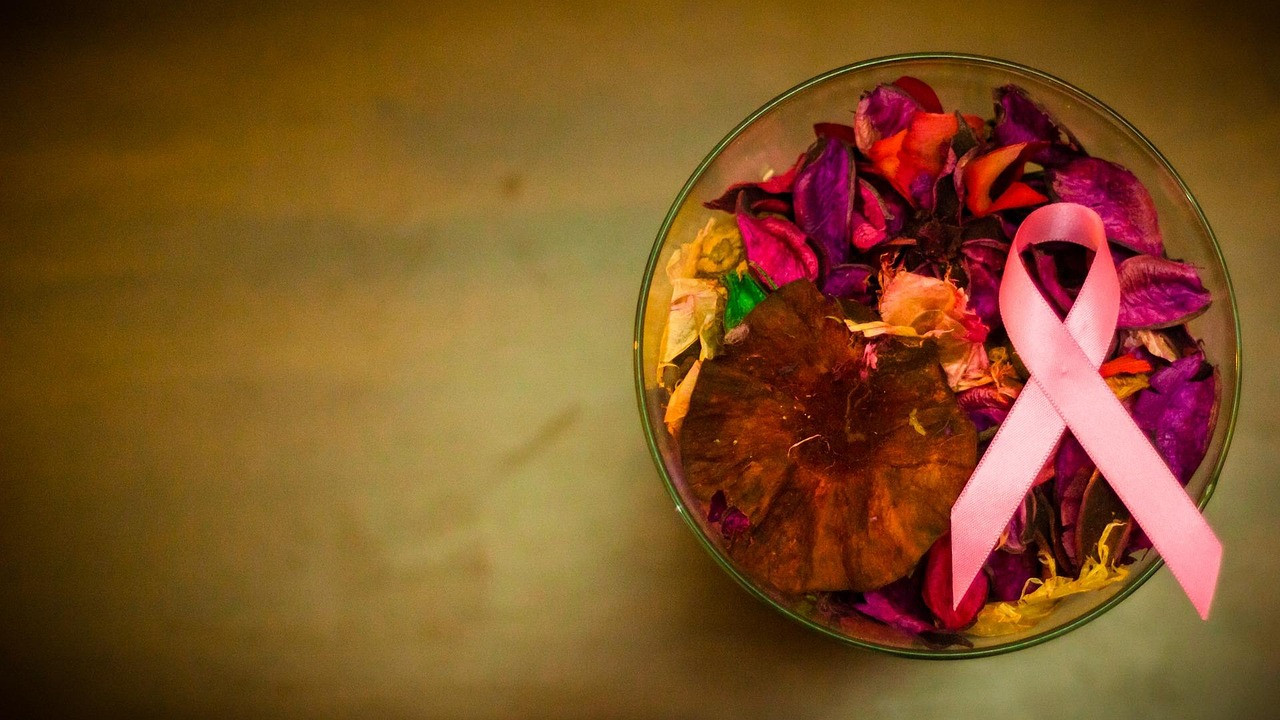
Representative image: Cristianosoy / Pixabay
A phase 3 trial of 551 women in China found trastuzumab rezetecan delayed HER2-low breast cancer growth to 16.4 months versus 6.8 on chemotherapy, with more side effects.
What Happened
A phase 3 clinical trial of 551 women with advanced HER2-low breast cancer, carried out at 73 hospitals in China, found that a targeted drug called trastuzumab rezetecan kept the cancer from growing for a median of 16.4 months, compared with 6.8 months for women given standard chemotherapy. The results of the trial, named HORIZON-Breast06, were published in the medical journal JAMA on October 23, 2026, and presented at the European Society for Medical Oncology (ESMO) Congress 2026. Serious side effects were more common with the new drug, and the researchers said overall survival data are still immature.
Key Facts
- Trial: HORIZON-Breast06, phase 3, 551 women with advanced HER2-low breast cancer at 73 hospitals in China.
- Drug: trastuzumab rezetecan (also known as SHR-A1811), an antibody-drug conjugate.
- Main result: median progression-free survival of 16.4 months with the drug versus 6.8 months with chemotherapy.
- Hazard ratio: 0.27, meaning the risk of the cancer growing or death was about 73% lower during the trial with the drug, according to reports.
- Women not previously given chemotherapy: hazard ratio 0.25, a similar benefit.
- Early survival estimate: 90.6% alive at 12 months with the drug versus 81.4% with chemotherapy; these figures are descriptive and not final.
- Side effects: grade 3 or worse treatment-related side effects in 84.1% of women on the drug versus 67.9% on chemotherapy.
- Publication: JAMA, October 23, 2026, alongside ESMO Congress 2026.
Why It Matters
Breast cancer is one of the most common cancers among women. Doctors group breast cancers partly by a protein called HER2 on the surface of cancer cells. Cancers with high levels are called HER2-positive and have long had targeted treatments. Many others have only low levels of HER2, called HER2-low. Until recent years, these were treated like cancers with no HER2 at all, mostly with chemotherapy. A newer class of drugs, called antibody-drug conjugates, has changed that.
An antibody-drug conjugate works like a guided missile. An antibody, a protein designed to find a specific target such as HER2, is linked to a powerful cancer-killing drug. The antibody carries the drug to the cancer cells, so more of it reaches the tumour. Trastuzumab rezetecan is one such drug, developed in China. In this trial, it more than doubled the median time before the cancer started growing again, a measure called progression-free survival, compared with chemotherapy chosen by doctors.
The results come with clear limits. Serious side effects were more frequent with the new drug: 84.1% of women had grade 3 or worse treatment-related side effects, compared with 67.9% on chemotherapy. Grade 3 means a side effect severe enough to need medical care or to limit daily activities. Overall survival, the most important measure of whether women live longer, is not yet final; the early 12-month estimates favour the drug but are described as descriptive only. The trial was carried out entirely in China, so results may not apply the same way to every population, and the drug's approval status differs from country to country.
For women and families facing advanced breast cancer, this is a research result, not a treatment recommendation. Whether this drug or a similar one is suitable depends on the type of cancer, previous treatment and overall health, which only a treating oncologist can judge.
Impact
Short-term: The results add to evidence that antibody-drug conjugates can outperform chemotherapy for HER2-low breast cancer. Regulators and doctors will study the full JAMA paper, including side-effect management.
Long-term: If overall survival results confirm the benefit, the drug could become an option for women with HER2-low advanced breast cancer where it is approved, adding to the choices beyond chemotherapy.
Who is affected: Women with advanced HER2-low breast cancer and their families; cancer specialists; and health systems deciding which new cancer drugs to approve and fund.
Key Takeaway
In a 551-woman trial, trastuzumab rezetecan delayed HER2-low breast cancer growth to a median 16.4 months versus 6.8 on chemotherapy, but with more serious side effects and survival data not yet final.
Questions and Answers
What is HER2-low breast cancer?
It is breast cancer whose cells carry low levels of the HER2 protein. It is not HER2-positive, but newer targeted drugs called antibody-drug conjugates can still act on it.
What did the HORIZON-Breast06 trial find?
Among 551 women in China with advanced HER2-low breast cancer, trastuzumab rezetecan kept the cancer from growing for a median 16.4 months, compared with 6.8 months on chemotherapy, according to results published in JAMA on October 23, 2026.
Is trastuzumab rezetecan safe?
Serious side effects of grade 3 or worse occurred in 84.1% of women on the drug, against 67.9% on chemotherapy. Any treatment decision needs a cancer specialist's advice.
Does the drug help women live longer?
That is not yet known. Early 12-month estimates were 90.6% alive with the drug and 81.4% with chemotherapy, but the researchers described these as descriptive and the overall survival data as immature.
Disclaimer: Prepared by the Peepals newsroom from publicly available sources with AI assistance. Information is accurate to the best of our knowledge at the time of publication and may change. Images may be representative. Not professional advice. Report an error via our contact page.
By Vikram Joshi, Life Balance CorrespondentCovers Life Balance and more for Peepals Shakti. All stories by Vikram Joshi
Raymond Lifestyle Q2: branded apparel hits record Rs 559 crore, profit dips
Phone ownership nearly doubles between ages 9 and 10, US census finds
Get the day's stories in your inbox
Peepals Weekly: the week decoded, free. One email a week, unsubscribe in one click.
Vikram Joshi is a pen name of the Peepals Global Editorial Team, which researches, fact-checks and publishes every story. The portrait is an illustration.