
Andhra women employees seek two-year childcare leave, crèches at district offices
 By Vikram JoshiLife Balance Correspondent, Peepals Shakti
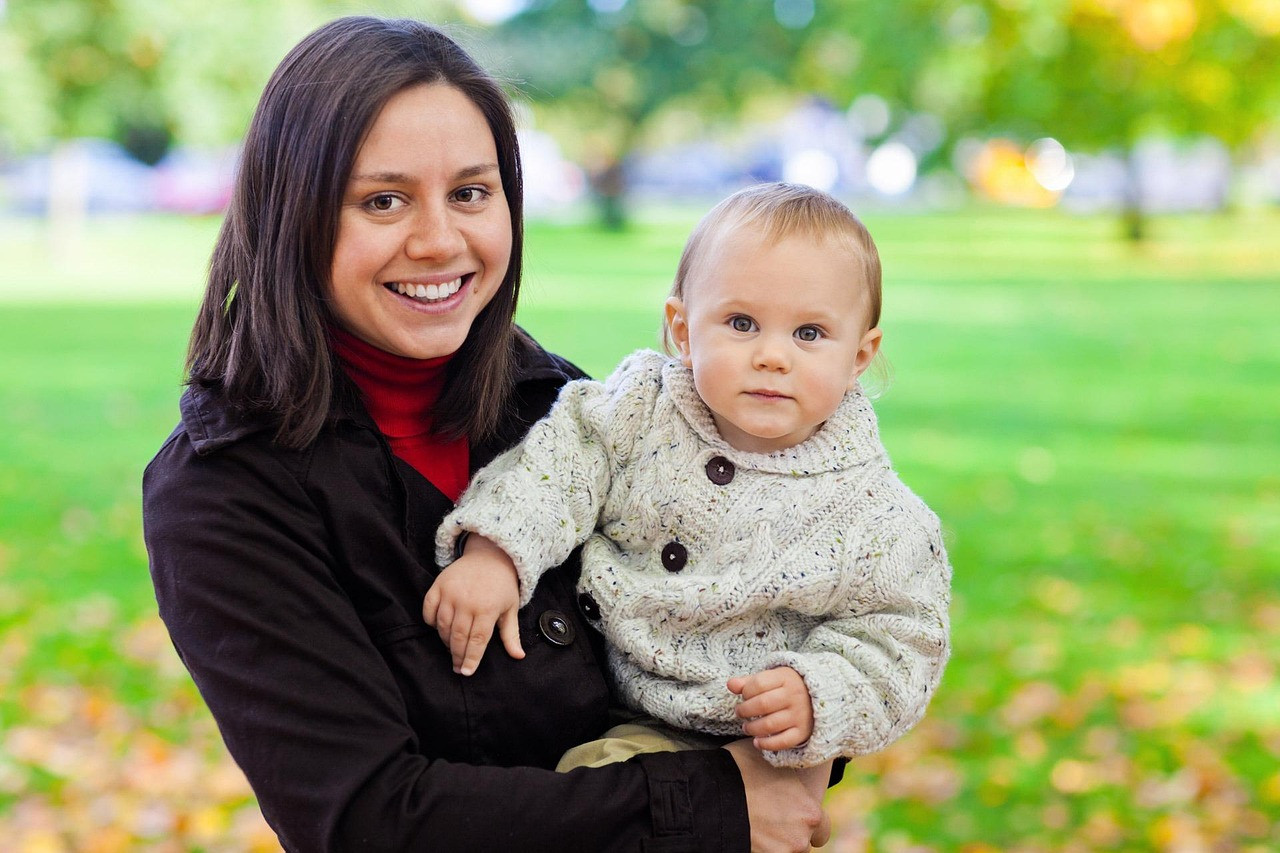
Representative image: PublicDomainPictures / Pixabay
AP JAC Amaravati's women's wing, meeting in Vijayawada on October 25, 2026, sought two years' childcare leave for women state staff, crèches and separate toilets.
What Happened
Women employees of the Andhra Pradesh government have asked the state to give them two years of childcare leave, on par with women in the central services, along with crèches at district office complexes and separate toilets in every government office. The demands were adopted as resolutions at a state-level conference of the women's wing of AP JAC Amaravati, an association of state government employees, held at Revenue Bhavan in Vijayawada on Sunday, October 25, 2026. The conference also elected a new 21-member state committee for 2026 to 2029.
Key Facts
- The women's wing of AP JAC Amaravati held its state-level conference at Revenue Bhavan, Vijayawada, on October 25, 2026.
- Main demand: two years of childcare leave (CCL) for women state government employees, matching central government employees.
- Women state employees currently get six months of childcare leave, according to one report on the meeting.
- The wing also sought crèches at district-level office complexes and separate toilets in all government offices.
- Leaders said the wing had already helped secure orders allowing women to use their six months of CCL at any time before retirement.
- Ponnuru Vijayalakshmi was elected chairperson and P. Rajani secretary general of the new 21-member committee for 2026-2029.
- These are resolutions of an employees' association; no response from the state government has been reported.
Why It Matters
Childcare leave is paid leave a working parent can take to look after a child, for example during illness, exams or the first school years. It is separate from maternity leave, which covers the period around childbirth. For many women in salaried jobs, it is the difference between managing a family crisis and having to quit or take unpaid leave. A government employee with only six months of such leave across her whole career has far less room than a colleague in a central office, where women have up to two years.
The demand also links to a national debate. On October 2, 2026, the National Commission for Women recommended that the central government's 730-day childcare leave be split equally between both parents rather than granted mainly to mothers, so that fathers share the care work. That proposal is not binding. The Andhra employees' wing is asking for something more basic first: that women in the state service get the same amount of leave as their central counterparts.
The call for crèches and toilets points to everyday working conditions. Under the Maternity Benefit (Amendment) Act of 2017, establishments with 50 or more employees are required to provide crèche facilities. District office complexes bring together many departments under one roof, and the association wants crèches there. For a mother returning to work after maternity leave, a crèche near her desk can decide whether she keeps working at all. Separate toilets are a matter of basic dignity and health.
This is not the first time the wing has raised the issue. It made the same two-year leave demand at its second anniversary meeting in 2025, which suggests the question has not been taken up by the state so far.
| Benefit | Women in Andhra state service | Women in central service |
|---|---|---|
| Childcare leave | Six months (as reported) | Up to two years (730 days) |
| Demand raised on October 25 | Two years, crèches, separate toilets | Not applicable |
Impact
Short-term: The resolutions put the demand formally before the Andhra Pradesh government. The new committee is expected to press it with the state, but nothing changes for employees until the government issues an order.
Long-term: If the state agrees, women in its service would get four times as much childcare leave as now, and crèches at district complexes could make it easier for young mothers to stay in government jobs.
Who is affected: Women employees of the Andhra Pradesh government and their families, heads of departments who plan staffing around leave, and the state finance department, which would bear the cost of extra paid leave.
Key Takeaway
Andhra Pradesh women government employees have asked for two years of childcare leave, like central staff, plus crèches and separate toilets, but the state has not yet responded.
Questions and Answers
What are Andhra Pradesh women employees demanding?
At a conference in Vijayawada on October 25, 2026, the women's wing of AP JAC Amaravati sought two years of childcare leave for women state employees, crèches at district office complexes and separate toilets in all government offices.
How much childcare leave do women in Andhra state service get now?
One report on the meeting says they get six months. The wing says it earlier helped secure orders allowing that leave to be used at any time before retirement.
How much childcare leave do central government employees get?
Central government employees can get up to 730 days, or two years. The National Commission for Women recommended on October 2, 2026 that this be shared equally between both parents.
Has the Andhra Pradesh government agreed to the demand?
No. The demands are resolutions of an employees' association, and no response from the state government has been reported so far.
Disclaimer: Prepared by the Peepals newsroom from publicly available sources with AI assistance. Information is accurate to the best of our knowledge at the time of publication and may change. Images may be representative. Not professional advice. Report an error via our contact page.
By Vikram Joshi, Life Balance CorrespondentCovers Life Balance and more for Peepals Shakti. All stories by Vikram Joshi
Teens spend eight hours daily on screens, Common Sense census finds
94% of women workers rely on salary alone, Grant Thornton survey finds
Get the day's stories in your inbox
Peepals Weekly: the week decoded, free. One email a week, unsubscribe in one click.
Vikram Joshi is a pen name of the Peepals Global Editorial Team, which researches, fact-checks and publishes every story. The portrait is an illustration.