Stress Awareness Week 2026 begins with call to 'rehumanise' the workplace
 By Vikram JoshiLife Balance Correspondent, Peepals Shakti
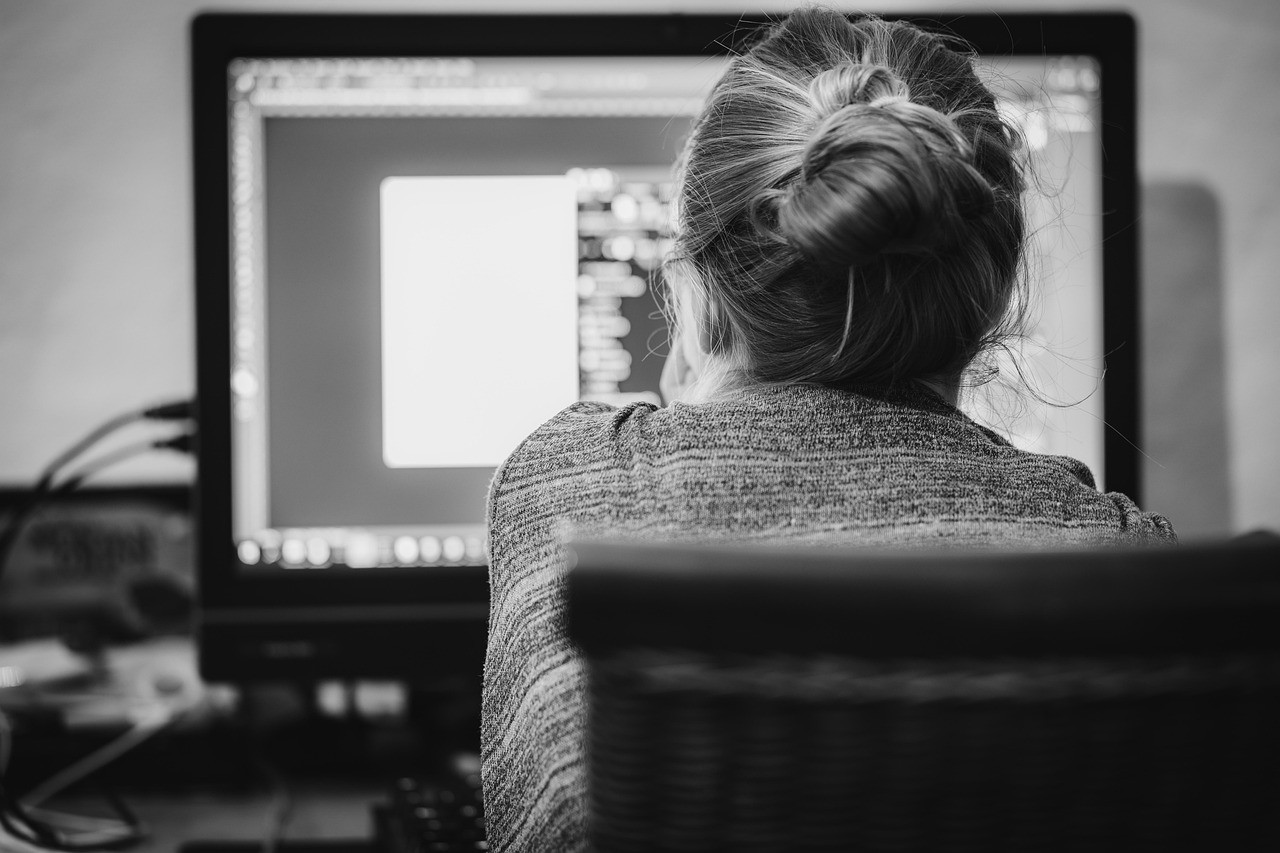
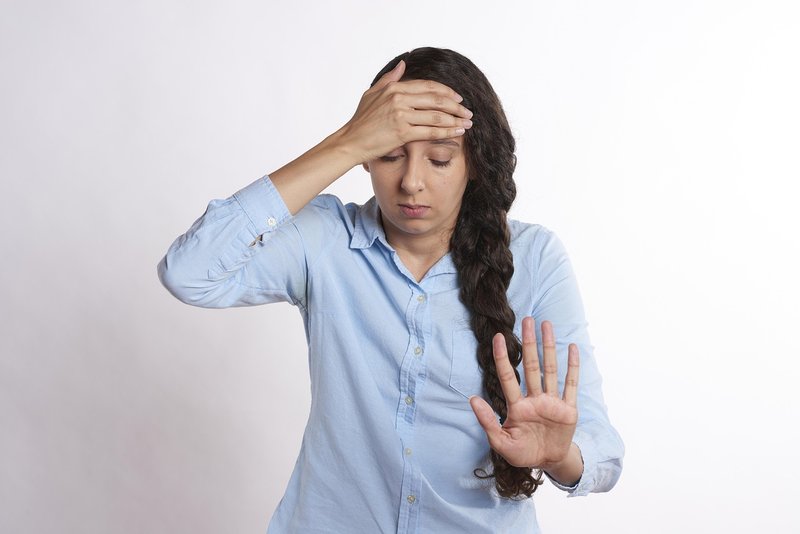
Representative image: cocoandwifi / Pixabay
International Stress Awareness Week runs 2-6 November 2026 on the theme of rehumanising work; in India, women and young workers report more job stress.
What Happened
International Stress Awareness Week began on Monday, 2 November 2026, and runs until Friday, 6 November, with this year's theme "Shaping the Future of Stress and Wellbeing: Rehumanising the Workplace". The week is organised by the International Stress Management Association (ISMA UK), a professional body for stress management and wellbeing. Its centrepiece is Stress Awareness Day on Wednesday, 4 November, when ISMA holds an online Global Stress and Wellbeing Summit with six live sessions, including a panel on a strategic framework for "rehumanising" work. The theme lands at a time when research in India also shows that women and young workers carry more of the stress load at work.
Key Facts
- Dates: Monday 2 November to Friday 6 November 2026.
- Theme: "Shaping the Future of Stress and Wellbeing: Rehumanising the Workplace".
- Organiser: the International Stress Management Association (ISMA UK).
- Stress Awareness Day: Wednesday 4 November 2026, with ISMA's online Global Stress and Wellbeing Summit, six live sessions, and recordings available on demand until 31 December 2026.
- Panel speakers listed for the "Rehumanising the Workplace" session include Professor Cary Cooper and Sir Charlie Mayfield.
- In India, ADP Research's People at Work 2026 study found 10% of women report high stress at work, against 8% of men.
- The same study found workers aged 18 to 26 were more than twice as likely to report high stress (11%) as those aged 55 to 64 (5%).
Why It Matters
The idea of "rehumanising" work speaks to a worry many employees share: that jobs have become a stream of targets, screens and messages, with too little room for rest, conversation and judgement. The week's organisers want employers to treat stress and mental wellbeing as part of how work is designed, not just as a personal problem for staff to manage on their own time. The summit's focus on a framework for action is meant to push organisations from awareness to concrete steps.
The theme has clear relevance for Indian workplaces, and particularly for women. The ADP study's finding that women report higher stress than men matters because many working women in India also carry most of the caring and housework at home. Young workers, often in their first jobs, early in their careers and under pressure to prove themselves, also report more stress than older colleagues. The study found that people in small businesses reported higher stress (10%) than those in large companies (6%).
The ADP study also noted that overall wellbeing is showing signs of improvement. That suggests that changes some employers have made, such as flexible hours, mental health days and access to counselling, may be helping, but that the gains are not reaching everyone equally.
For individuals, awareness weeks are a reminder that stress is common and that asking for help is normal. Persistent stress, poor sleep, irritability and loss of interest in daily life are signs worth talking about with a trusted person or a professional. In India, the government's free Tele-MANAS mental health helpline is available on 14416.
Workplace stress in India: who reports high stress Group | Share reporting high stress Women | 10% Men | 8% Workers aged 18-26 | 11% Workers aged 55-64 | 5% Small businesses | 10% Large businesses | 6%
Impact
Short-term: Employers and HR teams in many countries will use the week to run wellbeing sessions, check-ins and talks, and ISMA's summit will offer guidance to organisations on reducing stress.
Long-term: If the "rehumanising" idea takes hold, more organisations may redesign workloads, meeting cultures and digital availability to protect rest, which would particularly help women and younger workers who report higher stress.
Who is affected: Working women and men, young employees early in their careers, managers and HR teams, small business owners, and families who share the effects of workplace stress at home.
Key Takeaway
International Stress Awareness Week, 2 to 6 November 2026, asks employers to "rehumanise" work, a call that matters in India, where women and young workers report more stress on the job.
Questions and Answers
When is International Stress Awareness Week 2026?
It runs from Monday 2 November to Friday 6 November 2026. Stress Awareness Day, its main day, is Wednesday 4 November.
What is the theme of Stress Awareness Week 2026?
The theme is "Shaping the Future of Stress and Wellbeing: Rehumanising the Workplace", set by the International Stress Management Association (ISMA UK).
Are women in India more stressed at work than men?
According to ADP Research's People at Work 2026 study, 10% of women in India report high stress at work compared with 8% of men. Workers aged 18 to 26 report the highest stress of any age group.
Where can someone in India get help for stress?
Talking to a trusted person or a qualified professional is a good first step. The government's free Tele-MANAS mental health helpline is available on 14416.
Disclaimer: Prepared by the Peepals newsroom from publicly available sources with AI assistance. Information is accurate to the best of our knowledge at the time of publication and may change. Images may be representative. Not professional advice. Report an error via our contact page.
By Vikram Joshi, Life Balance CorrespondentCovers Life Balance and more for Peepals Shakti. All stories by Vikram Joshi
Children's screen time: what they watch matters too, review finds
Paula Reid leaves CNN to become MS NOW's chief White House reporter
Get the day's stories in your inbox
Peepals Weekly: the week decoded, free. One email a week, unsubscribe in one click.
Vikram Joshi is a pen name of the Peepals Global Editorial Team, which researches, fact-checks and publishes every story. The portrait is an illustration.