
Giredestrant approved: FDA clears pill for women's early breast cancer
 By Vikram JoshiLife Balance Correspondent, Peepals Shakti

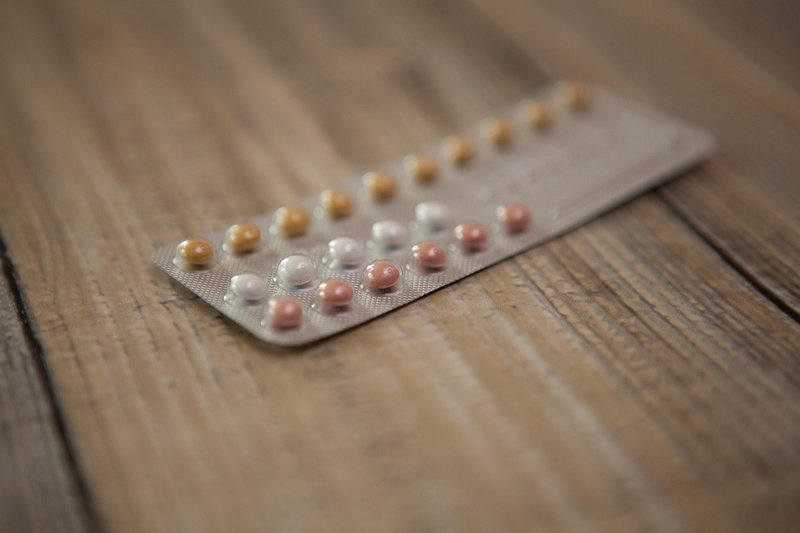
Representative image: padrinan / Pixabay
The US FDA approved giredestrant on 23 November 2026 for women and other adults with ER-positive early breast cancer, after the lidERA trial.
Giredestrant: what happened
The US Food and Drug Administration (FDA) on Monday, 23 November 2026 approved giredestrant, sold as Wilserdly by Genentech, a member of the Roche group, as a single-drug treatment after surgery for women and other adults with early-stage, hormone-sensitive breast cancer at intermediate to high risk of the cancer coming back. The approval covers stage I to III breast cancer that is oestrogen receptor (ER)-positive and HER2-negative. It came a week ahead of the FDA's 30 November target date and rests on the phase 3 lidERA trial of 4,170 patients.
Giredestrant: key facts
- Approved by: US Food and Drug Administration, on 23 November 2026.
- Drug: giredestrant (brand name Wilserdly), a pill made by Genentech.
- Use: adjuvant treatment, meaning treatment after surgery to lower the chance of the cancer returning.
- Patients: adults with ER-positive, HER2-negative, stage I-III breast cancer at intermediate to high risk of recurrence.
- Evidence: the lidERA trial, 4,170 patients, comparing giredestrant with standard hormone therapy (tamoxifen or an aromatase inhibitor).
- Result: about a 30% lower relative risk of invasive disease returning or death; at three years, 92.4% of patients on giredestrant were free of invasive disease against 89.6% on standard therapy.
- The FDA had approved giredestrant on 16 November 2026 for a different group: advanced, ESR1-mutated breast cancer, in combination with everolimus.
Giredestrant: why it matters
Many breast cancers are "hormone receptor-positive": the cancer cells use the hormone oestrogen to grow. After surgery, these women are usually given years of hormone-blocking pills to keep the cancer from returning. For decades the main options have been tamoxifen and a group of drugs called aromatase inhibitors. They work, but some cancers still come back, and side effects such as joint pain lead many women to stop treatment early.
Giredestrant belongs to a newer class called selective oestrogen receptor degraders (SERDs). Instead of only blocking oestrogen or lowering its level, a SERD attaches to the oestrogen receptor on the cancer cell and causes it to be broken down. Genentech's chief medical officer, Levi Garraway, said the approval makes it the first SERD approved for ER-positive early-stage breast cancer. Giredestrant is taken as a pill.
The trial also reported patient-described quality of life. Women on giredestrant reported preserved daily functioning and less frequent joint pain than those on standard therapy, which matters because sticking with treatment for years is a large part of whether it works.
There are limits to keep in mind. The difference in overall survival, meaning how many patients were alive, was not statistically significant at the time of the main analysis, and follow-up was about 32 months, short for a cancer that can return many years later. The approval is a US decision; it does not mean the medicine is available in India, where any use would need approval from India's drug regulator. Decisions about treatment belong with each patient's own cancer specialist.
Peepals calculation: at three years, 92.4% of patients on giredestrant were free of invasive disease against 89.6% on standard therapy, a gap of 2.8 percentage points (92.4 − 89.6). Put differently, invasive disease or death occurred in 7.6% on giredestrant against 10.4% on standard therapy at that point. Our calculation from the reported figures.
| Measure (lidERA, 4,170 patients) | Giredestrant | Standard therapy |
|---|---|---|
| Free of invasive disease at 3 years | 92.4% | 89.6% |
| Invasive disease or death at 3 years | 7.6% | 10.4% |
Giredestrant: impact
Short-term: In the United States, doctors can now offer giredestrant to eligible women after surgery as an alternative to tamoxifen or aromatase inhibitors.
Long-term: If longer follow-up confirms the benefit, oral SERDs could become a standard option in early breast cancer, and regulators in other countries, including India, may be asked to review them.
Who is affected: Women with ER-positive, HER2-negative early breast cancer, their oncologists, health insurers, and drug regulators outside the US who will weigh similar applications.
Giredestrant: key takeaway
Women with hormone-sensitive breast cancer should ask their oncologist whether newer treatments such as giredestrant are relevant to them and whether they are approved in their country.
Giredestrant: questions and answers
What is giredestrant approved for?
The FDA approved it on 23 November 2026 as a single drug after surgery for adults with ER-positive, HER2-negative, stage I-III breast cancer at intermediate to high risk of recurrence.
How well did giredestrant work in the lidERA trial?
It cut the relative risk of invasive disease returning or death by about 30% compared with standard hormone therapy; three-year disease-free rates were 92.4% against 89.6%.
Is giredestrant available in India?
The approval is by the US FDA only. Use in India would require approval from India's own drug regulator, and no such approval has been announced.
What is a SERD?
A selective oestrogen receptor degrader is a drug that attaches to the oestrogen receptor on breast cancer cells and causes it to be broken down, cutting off a signal the cancer uses to grow.
Disclaimer: Prepared by the Peepals newsroom from publicly available sources with AI assistance. Information is accurate to the best of our knowledge at the time of publication and may change. Images may be representative. Not professional advice. Report an error via our contact page.
By Vikram Joshi, Life Balance CorrespondentCovers Life Balance and more for Peepals Shakti. All stories by Vikram Joshi
Elizabeth Williams elected WNBPA president; she succeeds Nneka Ogwumike
Lakshmi Venu's partition suit: a daughter tests her equal share in TVS assets
Your week ahead, every Sunday. Free.
Exam and result dates, IPOs opening, scheme deadlines, government holidays and the RBI decision for the next 7 days, plus the week's top stories. One email a week, unsubscribe in one click.
Vikram Joshi is a pen name of the Peepals Global Editorial Team, which researches, fact-checks and publishes every story. The portrait is an illustration.
Responsible for this story: the Peepals Global Editorial Team. How we report