
Medical dismissal in pregnancy: nearly 80% of mothers report it, UCSB study
 By Vikram JoshiLife Balance Correspondent, Peepals Shakti
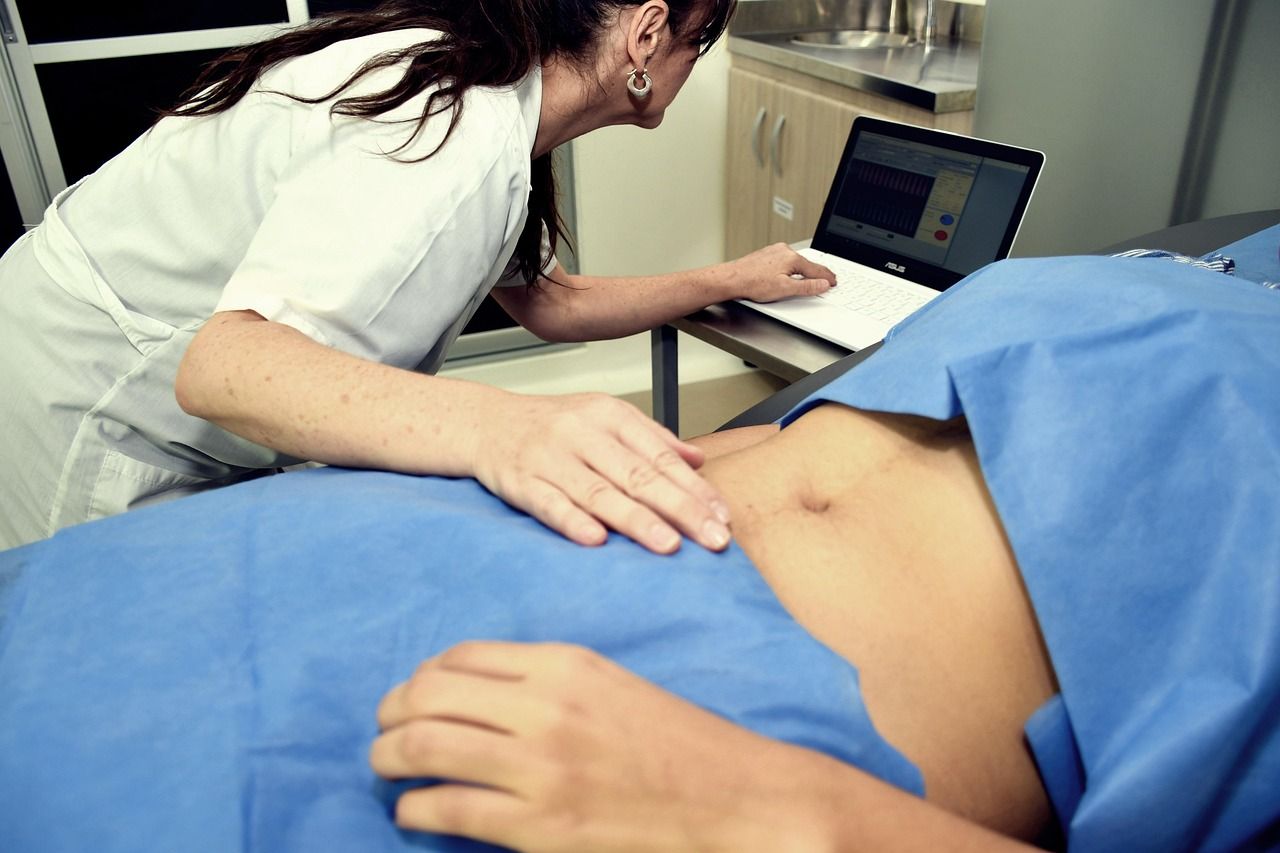
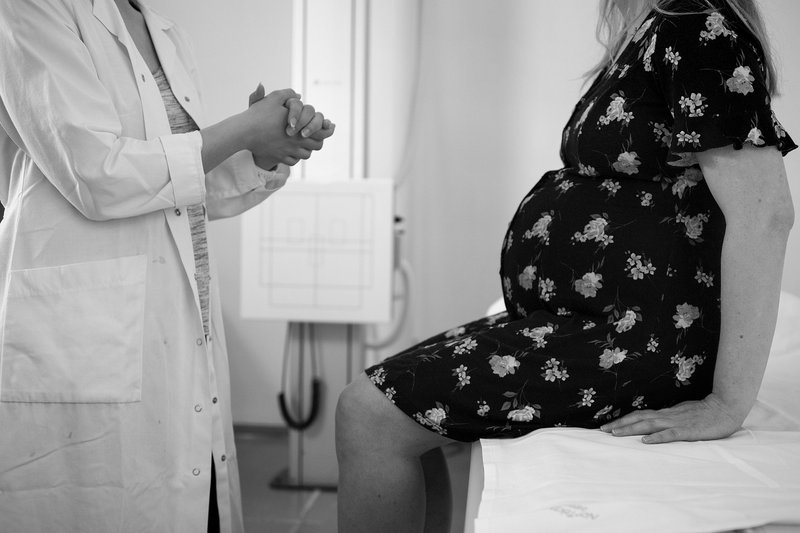
Representative image: orzalaga / Pixabay
A UCSB study shown on 24 November 2026 found nearly 80% of pregnant and postpartum women felt dismissed by care teams, linked to depression and loneliness.
Medical Dismissal: what happened
Nearly 80% of pregnant and postpartum women in a University of California, Santa Barbara (UCSB) study said their healthcare team had dismissed them at least once, from rushed appointments to pain that was not addressed. Anthropology professor Amy Boddy presented the cross-sectional study at a Pahl Center symposium titled "Rebuilding Trust in Pregnancy and Postpartum Care", and the university published its account of the event on Tuesday, 24 November 2026.
Medical Dismissal: key facts
- The study looked at medical dismissal: patients feeling that their concerns, symptoms or pain were brushed aside by the people treating them.
- Nearly 80% of pregnant and postpartum participants reported at least one form of dismissal by their care team.
- Women in the postpartum period, the months after giving birth, reported higher dismissal rates on almost every measure than pregnant women.
- Participants who reported more dismissal also had higher postpartum depression scores, less trust in their providers and more loneliness.
- Amy Boddy is a UCSB anthropology professor and 2024–26 Pahl Scholar; the symposium is in its sixth year.
- Boddy said dismissal comes from systemic institutional burnout, not from uncaring clinicians.
- Dr Anne Kennard, an obstetrician-gynaecologist at Marian Regional Medical Center, pointed to payment gaps, saying identical surgical procedures are paid less when they are part of female reproductive care.
Medical Dismissal: why it matters
The UCSB work puts a number on an experience that is hard to measure: raising a worry and having it brushed aside. Being dismissed is not only unpleasant; in this study it went together with worse emotional health and weaker trust in doctors and nurses, the people women depend on at a demanding stage of life.
Boddy linked the problem to a gap in medical knowledge about matrescence. The term describes a woman's biological, psychological and hormonal change as she becomes a mother, in the same way that adolescence describes the change from child to adult. Her argument is that when medicine does not understand the biology of this transition well, almost any symptom in pregnancy or after birth can be waved away as expected.
The speakers placed the cause in the system, not in individual staff. Boddy spoke of institutional burnout, meaning overloaded services where clinicians have little time per patient. Dr Kennard added the money side: if care for women's reproductive health is paid at lower rates than the same procedures elsewhere, services have less to spend on time, staff and follow-up. The symposium's conclusion was that the fix needs reform of the system, and the findings are meant to support wider work on maternal mental health.
The limits matter. This is a cross-sectional study, which means it measured dismissal, mood, trust and loneliness at one point in time. It shows that these things appear together; it does not prove that dismissal caused depression, or that depression made women more likely to feel dismissed. The sample size, where participants were recruited and the full method were not set out in the university's summary, and the work was presented at a symposium rather than as a journal paper. The speakers' points about burnout and payment rates describe the American health system, so the figures cannot be applied directly to India, where maternity care is organised and paid for differently. This article reports research findings; it is not medical advice.
Peepals calculation: if nearly 80% of participants reported at least one form of dismissal, then only about 20%, or roughly one woman in five, went through pregnancy or the postpartum months without any (100% − 80% = 20%). Put the other way, for every woman who felt fully heard, about four did not (80 ÷ 20 = 4). Our calculation from the reported figures.
Medical Dismissal: impact
Short-term: The findings give women, families and health workers a clear name for an experience many recognise, and a number to point to when asking for longer appointments and proper follow-up after birth.
Long-term: If the link between dismissal and postpartum depression holds up in larger studies, maternity services may need to treat listening and follow-up as part of care quality, and look again at how women's reproductive care is funded.
Who is affected: Pregnant women and new mothers, their partners and families, obstetricians, midwives and nurses, hospital managers, and those who set payment rates for maternity care.
Medical Dismissal: key takeaway
Watch for the UCSB team's full findings, including sample size and method, before treating the near-80% figure as settled, and note that it shows a link, not a cause.
Medical Dismissal: questions and answers
What is medical dismissal in pregnancy care?
It is when a pregnant woman or new mother feels her concerns are not taken seriously, for example through rushed appointments or pain that is left unaddressed. The UCSB study counted any such experience with the care team.
What is matrescence?
Matrescence is the biological, psychological and hormonal change a woman goes through as she becomes a mother. Amy Boddy argues that a gap in medical knowledge about it makes symptoms easier to dismiss.
Does this study prove that being dismissed causes postpartum depression?
No. It is a cross-sectional study, so it shows that women who reported more dismissal also had higher depression scores, less trust and more loneliness, but it cannot show which came first.
Do these findings apply to women in India?
Not directly. The university's summary did not say where participants were recruited, and the speakers' explanations about burnout and payment rates refer to the American health system, which is organised and paid for differently from India's.
Disclaimer: Prepared by the Peepals newsroom from publicly available sources with AI assistance. Information is accurate to the best of our knowledge at the time of publication and may change. Images may be representative. Not professional advice. Report an error via our contact page.
By Vikram Joshi, Life Balance CorrespondentCovers Life Balance and more for Peepals Shakti. All stories by Vikram Joshi
Child custody: father's guardian status not decisive, Supreme Court rules
Vanita Arora becomes Indian Heart Rhythm Society's first woman president
Your week ahead, every Sunday. Free.
Exam and result dates, IPOs opening, scheme deadlines, government holidays and the RBI decision for the next 7 days, plus the week's top stories. One email a week, unsubscribe in one click.
Vikram Joshi is a pen name of the Peepals Global Editorial Team, which researches, fact-checks and publishes every story. The portrait is an illustration.
Responsible for this story: the Peepals Global Editorial Team. How we report