
GLP-1 vision loss: FDA orders NAION eye warning on Ozempic, Mounjaro
 By Vikram JoshiLife Balance Correspondent, Peepals Shakti
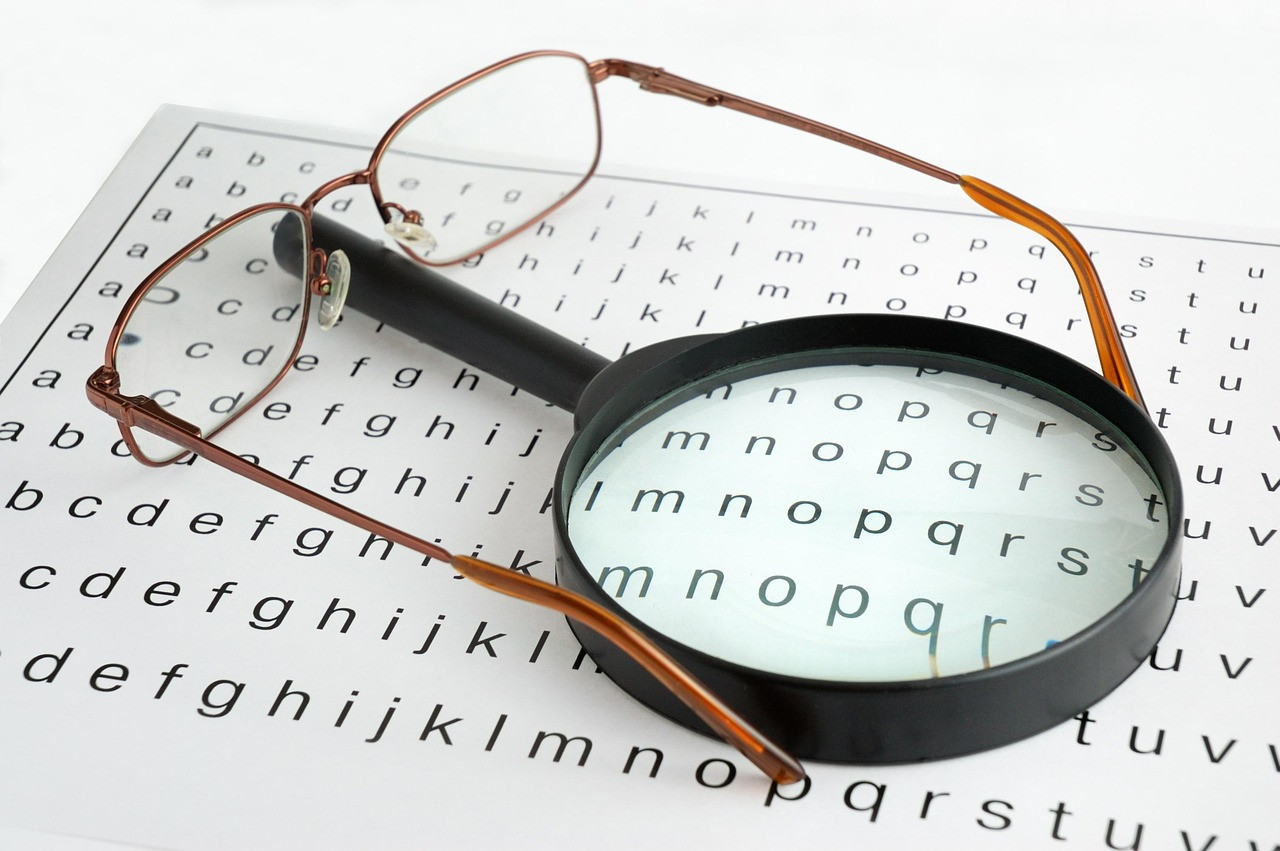
Representative image: ds_30 / Pixabay
The US FDA on 9 November 2026 ordered GLP-1 drugs such as Ozempic, Wegovy and Mounjaro to warn of NAION, a rare eye condition that can cause sudden vision loss.
What Happened
The US Food and Drug Administration (FDA) on Monday, 9 November 2026 ordered makers of GLP-1 drugs, the class that includes the weight-loss and diabetes medicines Ozempic, Wegovy, Mounjaro and Zepbound, to add a warning about a rare eye condition that can cause sudden, permanent vision loss. The condition is non-arteritic anterior ischemic optic neuropathy, or NAION, in which blood flow to the optic nerve is cut off. The warning goes into the "Warnings and Precautions" section of the labels. The FDA describes NAION as rare and has advised patients to report sudden, painless vision loss promptly.
Key Facts
- Date: the FDA announced the requirement on 9 November 2026.
- Drugs covered include semaglutide (Ozempic, Wegovy, Rybelsus) and tirzepatide (Mounjaro, Zepbound); a specialist journal reports the change applies across the GLP-1 class, including liraglutide, dulaglutide and exenatide.
- Condition: NAION, a loss of blood flow to the optic nerve that can cause sudden vision loss, usually in one eye.
- The review followed a 2024 study in JAMA Ophthalmology that found diabetes patients prescribed semaglutide were about four times as likely to develop NAION.
- A 2025 study of about 175,000 diabetic patients found the risk more than doubled after two years on a GLP-1 drug, compared with other diabetes medicines, according to reports.
- The FDA lists smoking, diabetes, high blood pressure, sleep apnoea, anaemia and kidney disease as factors that may raise NAION risk.
- The FDA says patients who have had NAION should discuss with their doctor whether to continue the drug.
Why It Matters
GLP-1 drugs have become some of the most widely used medicines in the world. They copy a gut hormone that helps control blood sugar and appetite, and millions of people now take them for diabetes or weight loss. A new safety warning on a medicine taken this widely matters even when the risk to any one person is small.
The key word in the FDA's message is rare. NAION is uncommon, and the agency is not telling people to stop taking their medicine. It is telling patients and doctors to know the warning sign: a sudden, painless loss or blurring of vision, often noticed on waking. Because the damage can be permanent, speed matters, and the FDA advises that suspected cases be seen quickly by an eye specialist.
Experts do not all agree on how strong the evidence is. Some studies found a clear link, especially for semaglutide, while several large studies of health records found no added risk. Some commentators argue the FDA went further than the data by putting the warning on the whole class rather than on semaglutide alone. The FDA's choice means patients on any GLP-1 brand get the same warning.
For readers, the practical points are simple and are not medical advice: do not stop or change a prescribed medicine without talking to your doctor; tell your doctor if you have other risk factors the FDA lists, such as diabetes, high blood pressure or sleep apnoea; and treat sudden vision loss as an emergency. Anyone using these drugs should do so under a doctor's supervision, which is when such risks can be checked.
Peepals calculation: The two studies the FDA's review drew on point the same way but differ in size of effect. The 2024 study reported about four times the risk with semaglutide, while the 2025 study reported a little over twice the risk after two years, so the earlier estimate is roughly double the later one (4 ÷ 2 = 2). The 2025 study was also large, at about 175,000 patients. Both describe relative risk, the change compared with other patients, not how many people are affected. Our calculation from the reported figures.
| Drug ingredient | Brand names named in reports |
|---|---|
| Semaglutide | Ozempic, Wegovy, Rybelsus |
| Tirzepatide | Mounjaro, Zepbound |
| Liraglutide | Victoza, Saxenda |
| Dulaglutide | Trulicity |
Impact
Short-term: Drug labels in the US will carry the NAION warning, and doctors are likely to ask patients about eye symptoms and risk factors.
Long-term: Researchers will keep studying whether the risk applies to every GLP-1 drug or mainly to semaglutide, which could refine the warning.
Who is affected: People taking GLP-1 medicines for diabetes or weight loss, their doctors and eye specialists, and the drugmakers that must update their labels.
Key Takeaway
The FDA on 9 November 2026 ordered GLP-1 drugs such as Ozempic and Mounjaro to carry a warning about NAION, a rare cause of sudden vision loss, while calling the condition rare.
Questions and Answers
What is the new GLP-1 vision loss warning?
On 9 November 2026 the US FDA required GLP-1 drugs, including Ozempic, Wegovy, Mounjaro and Zepbound, to warn about NAION, a rare condition in which reduced blood flow to the optic nerve can cause sudden vision loss.
Should I stop taking Ozempic or Wegovy because of the warning?
The FDA has not told patients to stop. It advises reporting sudden, painless vision loss promptly and discussing any concerns with a doctor before changing medicine.
How common is NAION?
The FDA describes it as rare. Studies have found a higher relative risk with semaglutide, but the condition remains uncommon.
Who is at higher risk of NAION?
The FDA lists smoking, diabetes, high blood pressure, sleep apnoea, anaemia and kidney disease as factors that may increase the risk.
Disclaimer: Prepared by the Peepals newsroom from publicly available sources with AI assistance. Information is accurate to the best of our knowledge at the time of publication and may change. Images may be representative. Not professional advice. Report an error via our contact page.
By Vikram Joshi, Life Balance CorrespondentCovers Life Balance and more for Peepals Shakti. All stories by Vikram Joshi
Senfronia Thompson says she has votes to be Texas' first woman speaker
National Guard free childcare for drill weekends goes nationwide by end-2026
Get the day's stories in your inbox
Peepals Weekly: the week decoded, free. One email a week, unsubscribe in one click.
Vikram Joshi is a pen name of the Peepals Global Editorial Team, which researches, fact-checks and publishes every story. The portrait is an illustration.