

Assam maternal sepsis deaths: share falls to 8% from 21%
 By Vikram JoshiLife Balance Correspondent, Peepals Shakti
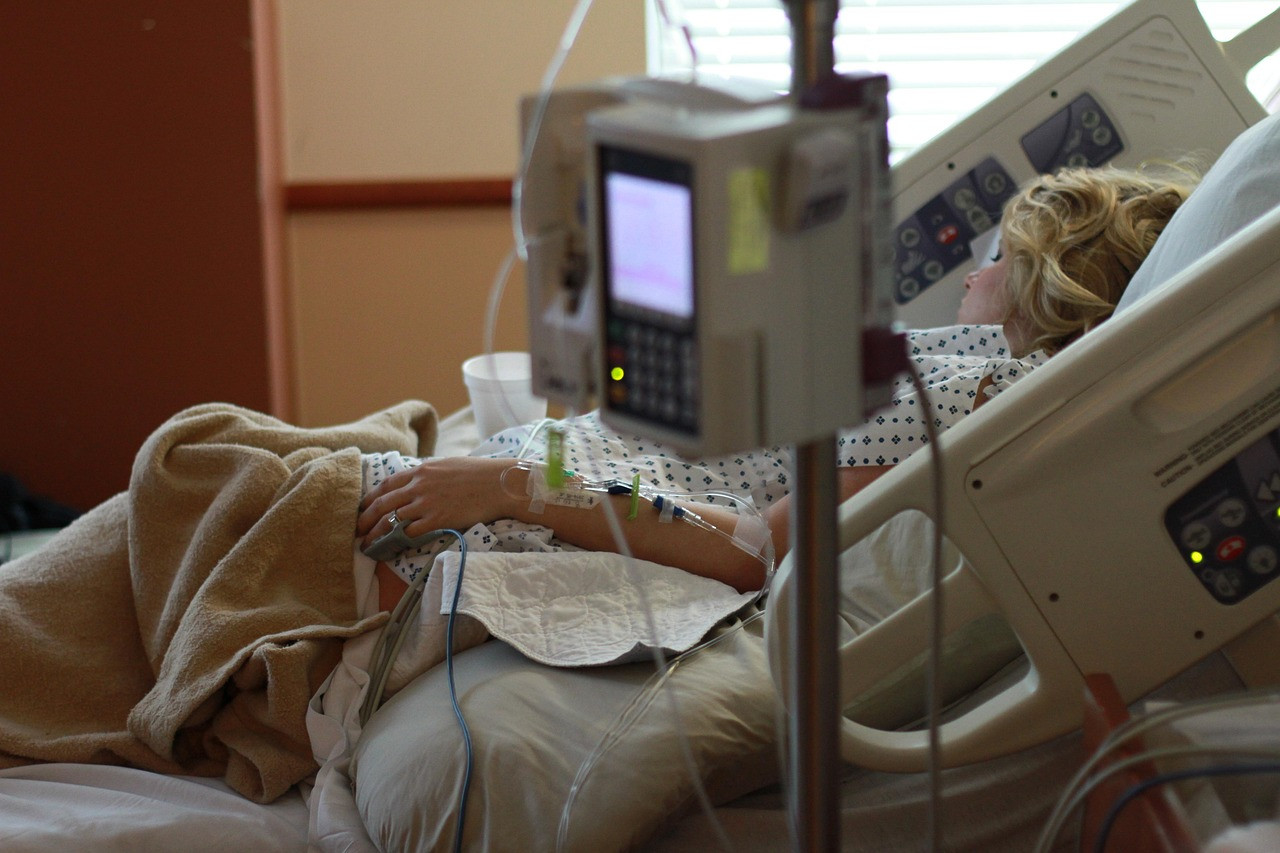
Representative image: Parentingupstream / Pixabay
Sepsis caused 8% of Assam's maternal deaths in October 2026, down from 21% in July, after infection-control rules, Health Minister Ashok Singhal said on 6 November.
What Happened
The share of maternal deaths in Assam caused by sepsis, a life-threatening reaction to infection, fell from 21% in July 2026 to 8% in October 2026, state Health Minister Ashok Singhal said on Friday, 6 November 2026. He credited the fall to infection prevention and control measures in public health facilities. The Union Health Ministry has invited Assam to present its infection-control model to other states with a high share of sepsis-related maternal deaths at a virtual discussion held the same day, according to the reports.
Key Facts
- The figure: sepsis accounted for 21% of Assam's maternal deaths in July 2026 and 8% in October 2026, according to the Health Minister.
- This is a share of maternal deaths, not a death rate; the reports do not give the number of deaths.
- Who said it: Assam Health Minister Ashok Singhal, on 6 November 2026.
- What changed: the state introduced standard operating procedures (SOPs) for infection prevention and control (IPC) and a digital portal to monitor them.
- Launch: the minister formally launched the SOPs and portal at Dibrugarh on Friday, 25 September 2026.
- Recognition: the Union Health Ministry invited Assam to share its model with other states at a virtual discussion on 6 November 2026.
Why It Matters
Maternal sepsis happens when an infection during pregnancy, childbirth or the weeks after it spreads through the body. Infection-control rules in labour rooms and maternity wards, covering matters such as hand hygiene, sterile instruments and clean delivery areas, are aimed at preventing such infections.
Assam's approach was to write those rules down as standard operating procedures, the step-by-step instructions every facility must follow, and to track compliance through a digital portal. The minister attributes the drop in the sepsis share to that effort. The reports do not include independent data on how many women died in each month, so it is not yet possible to say how far total maternal deaths have changed, or how much of the shift is due to the new measures alone.
For women and families, the issue is personal. A mother's confidence in the hospital's safety shapes how she plans her delivery and her recovery. Clear, checked hygiene rules are a practical way for a health system to earn that trust. The Union Health Ministry's invitation to Assam suggests that other states with high sepsis-related maternal deaths are looking for models they can copy.
Peepals calculation: Sepsis's share of maternal deaths fell by 13 percentage points (21% − 8%), which is a relative fall of about 62% (13 ÷ 21 ≈ 0.62) over the four months from July to October 2026. Because these are shares, not counts, the figure shows that sepsis now explains a much smaller part of maternal deaths; it does not by itself show how many lives were saved. Our calculation from the reported figures.
| Month (2026) | Sepsis share of maternal deaths in Assam |
|---|---|
| July | 21% |
| October | 8% |
Impact
Short-term: Public facilities in Assam will continue to follow the IPC procedures and report through the monitoring portal, and other states may begin studying the model after the Union Health Ministry's discussion.
Long-term: If the lower share holds and total maternal deaths also fall, the model could become a template for maternity wards in other states. Independent monthly data on actual deaths would make the result easier to judge.
Who is affected: pregnant women and new mothers using public hospitals in Assam; nurses, doctors and cleaning staff in labour rooms; and health departments in states with high sepsis-related maternal deaths.
Key Takeaway
Assam says sepsis caused 8% of its maternal deaths in October 2026, down from 21% in July, after it brought in infection-control procedures and a monitoring portal, and the Centre has asked it to share the model with other states.
Questions and Answers
How much have maternal sepsis deaths fallen in Assam?
According to Assam Health Minister Ashok Singhal, the share of maternal deaths caused by sepsis fell from 21% in July 2026 to 8% in October 2026. This is a share of all maternal deaths, not a count or a death rate.
What is maternal sepsis?
It is a serious, life-threatening reaction to an infection during pregnancy, childbirth or the period after birth. Assam's response has been to enforce infection-control procedures in its health facilities.
What did Assam do to reduce sepsis among mothers?
The state introduced standard operating procedures for infection prevention and control in health facilities and a digital portal to monitor them, launched at Dibrugarh on 25 September 2026.
Why did the Union Health Ministry invite Assam?
The ministry asked Assam to present its infection-control model to other states with a high share of sepsis-related maternal deaths at a virtual discussion on 6 November 2026.
Disclaimer: Prepared by the Peepals newsroom from publicly available sources with AI assistance. Information is accurate to the best of our knowledge at the time of publication and may change. Images may be representative. Not professional advice. Report an error via our contact page.
By Vikram Joshi, Life Balance CorrespondentCovers Life Balance and more for Peepals Shakti. All stories by Vikram Joshi
Amy Acton becomes Ohio's first elected woman governor, defeats Vivek Ramaswamy
Haryana Zero Separation: mothers to stay with newborns in special care
Get the day's stories in your inbox
Peepals Weekly: the week decoded, free. One email a week, unsubscribe in one click.
Vikram Joshi is a pen name of the Peepals Global Editorial Team, which researches, fact-checks and publishes every story. The portrait is an illustration.