
Migraine and depression in women: 46% higher risk in UK Biobank study
 By Vikram JoshiLife Balance Correspondent, Peepals Shakti

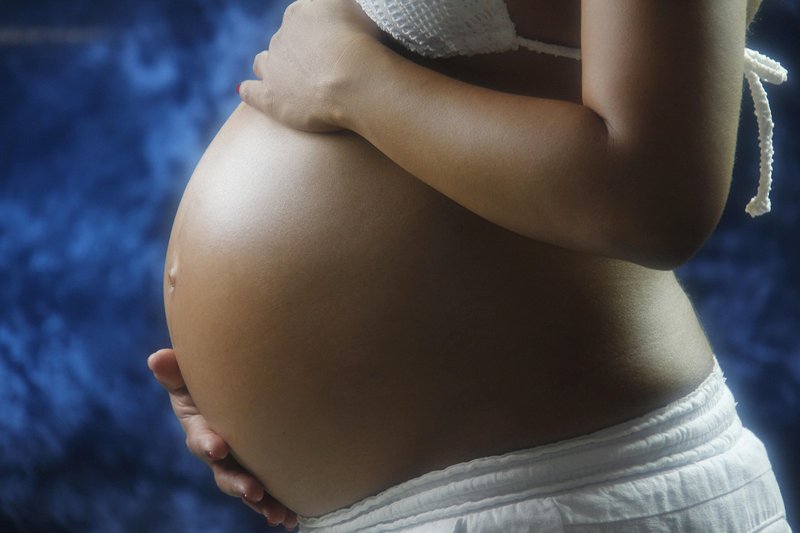
Representative image: StockSnap / Pixabay
A study published on 2 November 2026 found women with migraine had a 46% higher rate of later depression, 62% for those under 60, in 249,322 UK Biobank women.
What Happened
Women who have migraine are more likely to develop depression later, according to a study published on Monday, 2 November 2026, in The Journal of Headache and Pain. The researchers combined three kinds of evidence: worldwide disease estimates from the Global Burden of Disease study for 1990 to 2023, health records of 249,322 women in the UK Biobank, and a genetic method called Mendelian randomization. In the UK Biobank group, women with migraine had a 46% higher rate of being diagnosed with depression than women without migraine, and the link was stronger in women under 60. The genetic analysis, however, did not show clear evidence that migraine itself causes depression, which points to a shared vulnerability rather than a simple chain of cause and effect.
Key Facts
- Study: "Migraine and depression risk in women: integrated evidence from the global burden of disease, UK Biobank, and Mendelian randomization", The Journal of Headache and Pain, published 2 November 2026.
- Cohort: 249,322 women in the UK Biobank, a large British health research database.
- Main finding: migraine was linked to a higher rate of new depression, with a hazard ratio of 1.46 (95% confidence interval 1.35 to 1.58).
- Women under 60: a stronger link, with a hazard ratio of 1.62 (1.46 to 1.78).
- Global trend, 1990 to 2023: rates of new depression and the years of healthy life lost to it rose among women in every age group, while migraine rates stayed broadly stable.
- In 2023, the burden of migraine stayed high between ages 35 and 59, while the burden of depression fell steadily with age.
- Genetic analysis: no clear evidence that migraine directly causes depression; the analysis had limited statistical power, according to a summary of the paper.
Why It Matters
Migraine is more than an occasional headache: it brings repeated attacks of pain that can disrupt a whole day. The study tracked how its burden among women has changed worldwide since 1990, and found that while migraine rates stayed broadly stable, depression rose in every age group. When the two conditions come together, they can affect work, family life and sleep at the same time, which is why researchers have long tried to understand how they are connected.
This study adds weight to the link from a very large group of women followed over time. A hazard ratio of 1.46 means that, over the period studied, women with migraine were diagnosed with depression at about one and a half times the rate of women without it. Because this is an observational finding, it shows that the two go together, not that one causes the other. Other factors that the researchers could not fully measure may play a part.
The genetic part of the study tries to get closer to cause. Mendelian randomization uses natural variation in people's genes as a kind of natural experiment. Here it did not show clearly that migraine leads to depression. A summary of the paper reports that, in the other direction, genes linked to depression were associated with a higher risk of migraine in a Finnish dataset that included both men and women. A separate study in the same journal in May 2026 found a similar pattern, with depression-to-migraine links holding up after adjustment while migraine-to-depression links weakened. Together, these results suggest the two conditions may share some underlying roots.
For women balancing jobs, caregiving and their own health, the practical message reported from the study is about attention rather than alarm: the summary says the authors suggest that doctors check for depression in women who have migraine. Recognising low mood early in a person who already lives with frequent pain can make it easier to get the right support.
Peepals calculation: the excess rate of depression among women with migraine was 62% for those under 60 against 46% for the whole group, so the extra risk in younger women was about a third larger (62 / 46 ≈ 1.35). Our calculation from the reported figures.
| Group | Hazard ratio for depression | 95% confidence interval |
|---|---|---|
| All women in UK Biobank with migraine | 1.46 | 1.35 to 1.58 |
| Women under 60 with migraine | 1.62 | 1.46 to 1.78 |
Impact
Short-term: The study gives doctors and patients one more reason to talk about mood during migraine check-ups, especially for women in their working and caregiving years.
Long-term: If the shared-vulnerability picture holds, future research may look for common causes and treatments that help with both conditions, rather than treating them separately.
Who is affected: Women living with migraine, especially those under 60; their families and employers; and doctors in general practice, neurology and mental health.
Key Takeaway
A study of 249,322 women found that migraine was linked to a 46% higher rate of later depression, rising to 62% in women under 60, though the genetic evidence did not show that migraine causes depression.
Questions and Answers
Does migraine raise the risk of depression in women?
A study published on 2 November 2026 found that women with migraine in the UK Biobank were diagnosed with depression at a 46% higher rate than women without migraine. This shows the two conditions are linked, but it does not prove that migraine causes depression.
Why was the link stronger in women under 60?
The study found a hazard ratio of 1.62 in women under 60, against 1.46 overall. Global data in the same paper show the burden of migraine staying high between ages 35 and 59, while the burden of depression falls with age, which fits a stronger overlap in middle life.
What did the genetic analysis show?
It did not find clear evidence that migraine directly causes depression, and the analysis had limited power. A summary of the paper reports that genes linked to depression were associated with higher migraine risk, which suggests the two conditions may share common roots.
What does this mean for women who have migraine?
The study does not change treatment on its own. According to a summary of the paper, the authors suggest that doctors check for depression in women with migraine, so that low mood can be noticed and supported early. Anyone worried about their mood can speak to a doctor; in India, the Tele-MANAS helpline is 14416.
Disclaimer: Prepared by the Peepals newsroom from publicly available sources with AI assistance. Information is accurate to the best of our knowledge at the time of publication and may change. Images may be representative. Not professional advice. Report an error via our contact page.
By Vikram Joshi, Life Balance CorrespondentCovers Life Balance and more for Peepals Shakti. All stories by Vikram Joshi
North Dakota adoption ruling: unmarried couples cannot jointly adopt, court says
Awar Odhiang named Model of the Year at Fashion Awards 2026
Get the day's stories in your inbox
Peepals Weekly: the week decoded, free. One email a week, unsubscribe in one click.
Vikram Joshi is a pen name of the Peepals Global Editorial Team, which researches, fact-checks and publishes every story. The portrait is an illustration.