
Motherhood shouldn't cost careers: NCW chief backs shared childcare leave
 By Vikram JoshiLife Balance Correspondent, Peepals Shakti

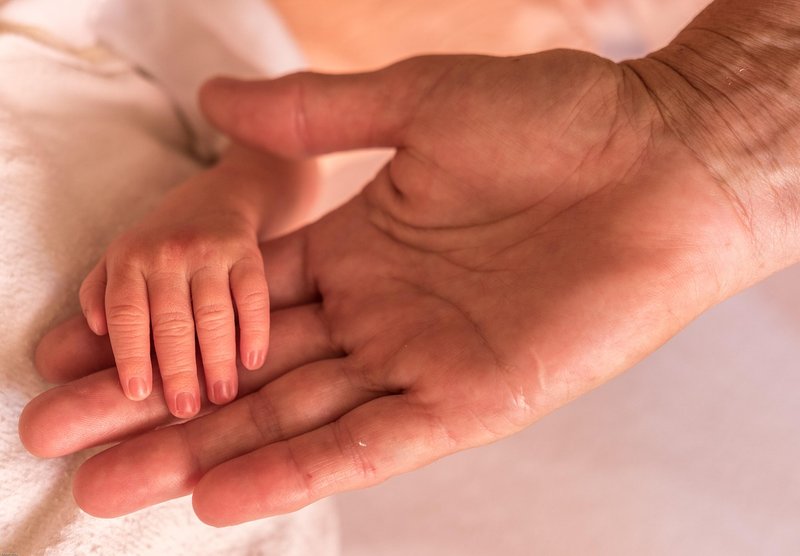
Representative image: 5921373 / Pixabay
NCW chief Vijaya Rahatkar said on 9 November 2026 that motherhood should not end careers, backing gender-neutral childcare leave and 5 lakh creche seats by 2030.
What Happened
Motherhood should not cost a woman her career, National Commission for Women (NCW) chairperson Vijaya Rahatkar said in an interview with the news agency PTI published on Monday, 9 November 2026, as she pressed for shared parenting and stronger support at work for parents after childbirth. Rahatkar said responsibility for a child lies equally with the mother and the father, stressed the importance of childcare leave, and said she was confident the government would accept the commission's recent recommendations on the subject. Those recommendations, sent to the government in October 2026, include turning the existing 730-day Child Care Leave into a gender-neutral entitlement that either parent can use, extending it to the private sector, and creating five lakh creche seats by 2030.
Key Facts
- Who: Vijaya Rahatkar, chairperson of the National Commission for Women.
- When: interview published on Monday, 9 November 2026.
- Her message: women should be able to pursue careers and goals without giving up on motherhood; raising a child is an equal duty of mother and father.
- The plan: 37 recommendations across nine areas, including maternity benefits, childcare leave, paternity leave, childcare infrastructure, nursing and lactation support, private-sector coverage and workplace discrimination.
- Child Care Leave: the existing 730-day leave to become gender-neutral, with 365 days for each working parent, or a common pool when both parents work in the same organisation.
- Private sector: gender-neutral childcare leave and mandatory paid paternity leave to be extended to private and unorganised-sector workers.
- Creches: a proposed National Childcare Infrastructure Mission to create five lakh creche seats by 2030 through Centre-state cooperation.
- Status: the recommendations were sent to the Department of Personnel and Training, the Ministry of Women and Child Development and the Ministry of Labour and Employment; they are not binding on the government.
Why It Matters
For many working women, the years after a child is born decide whether they stay in paid work at all. When care falls mostly on the mother and the workplace offers little flexibility, careers stall or end. The NCW's argument is that this is a design problem, not a personal one: leave rules, creches and paternity leave decide who can keep working.
The most practical change in the package is to Child Care Leave. Today it is built around women. Making the 730 days available to either parent, and letting couples who work in the same place share a common pool, would let families decide who takes time off, and would make it normal for fathers to do so. The commission also wants the idea to reach private and unorganised-sector workers, to whom the current Child Care Leave rules do not extend.
Childcare places are the other half of the plan. Leave covers the early months; after that, parents need somewhere safe to leave a young child during working hours. The five lakh creche-seat target is meant to address that gap. Rahatkar's comments this week show the commission is still pushing the government to act on the report, a month after it was submitted.
The NCW also carries a heavy workload on women's complaints. The commission receives around 1,50,000 complaints a year, with domestic violence the largest category, according to a separate report on Rahatkar's remarks published on 10 November 2026.
Peepals calculation: under the proposal, each parent would get 365 of the 730 days of Child Care Leave, an equal 50% share (365 ÷ 730 = 0.5). The 37 recommendations across nine areas work out to about four per area (37 ÷ 9 = 4.1). And 1,50,000 complaints a year is about 411 complaints a day (150,000 ÷ 365 = 411). Our calculation from the reported figures.
| Proposal | What the NCW recommends |
|---|---|
| Child Care Leave | 730 days made gender-neutral: 365 days per parent or a shared pool |
| Private sector | Gender-neutral childcare leave extended to private employees |
| Paternity leave | Mandatory paid leave in private and unorganised sectors |
| Creches | Five lakh creche seats by 2030 under a national mission |
Impact
Short-term: The recommendations sit with the Department of Personnel and Training and two ministries. Rahatkar's public push keeps the issue in view, but nothing changes for employees until the government decides.
Long-term: If adopted, the changes could make it easier for women to return to work after childbirth, spread care more evenly between parents, and give private-sector workers protections that today apply mainly in government jobs.
Who is affected: Working mothers and fathers, especially in the private and unorganised sectors; employers who would have to offer new leave; families who need creche places; and state governments that would share the creche mission.
What to watch next: The government's response to the NCW's 37 recommendations.
Key Takeaway
NCW chief Vijaya Rahatkar said on 9 November 2026 that motherhood should not end women's careers, backing the commission's plan for gender-neutral childcare leave and five lakh creche seats by 2030.
Questions and Answers
What did NCW chief Vijaya Rahatkar say about motherhood and careers?
In a PTI interview published on 9 November 2026, she said motherhood should not come at the cost of a woman's career, that mothers and fathers share equal responsibility for a child, and that she was confident the commission's recommendations on childcare would be accepted.
What is gender-neutral Child Care Leave?
The NCW has proposed that the existing 730-day Child Care Leave be open to either parent, with 365 days for each working parent, or a common pool when both work in the same organisation, and that it be extended to private-sector employees.
How many creche seats has the NCW proposed?
Five lakh creche seats by 2030, through a proposed National Childcare Infrastructure Mission run with Centre-state cooperation.
Are the NCW recommendations now law?
No. They were sent to the Department of Personnel and Training, the Ministry of Women and Child Development and the Ministry of Labour and Employment in October 2026 and are not binding until the government acts on them.
Disclaimer: Prepared by the Peepals newsroom from publicly available sources with AI assistance. Information is accurate to the best of our knowledge at the time of publication and may change. Images may be representative. Not professional advice. Report an error via our contact page.
By Vikram Joshi, Life Balance CorrespondentCovers Life Balance and more for Peepals Shakti. All stories by Vikram Joshi
Calvin Klein Holiday 2026: Jung Kook picks his own edit in global campaign
Saba Haider, schooled in Ghaziabad, wins Illinois House seat with 71%
Get the day's stories in your inbox
Peepals Weekly: the week decoded, free. One email a week, unsubscribe in one click.
Vikram Joshi is a pen name of the Peepals Global Editorial Team, which researches, fact-checks and publishes every story. The portrait is an illustration.