
Vitamin C in pregnancy: OHSU study links maternal stress to fussier babies
 By Vikram JoshiLife Balance Correspondent, Peepals Shakti
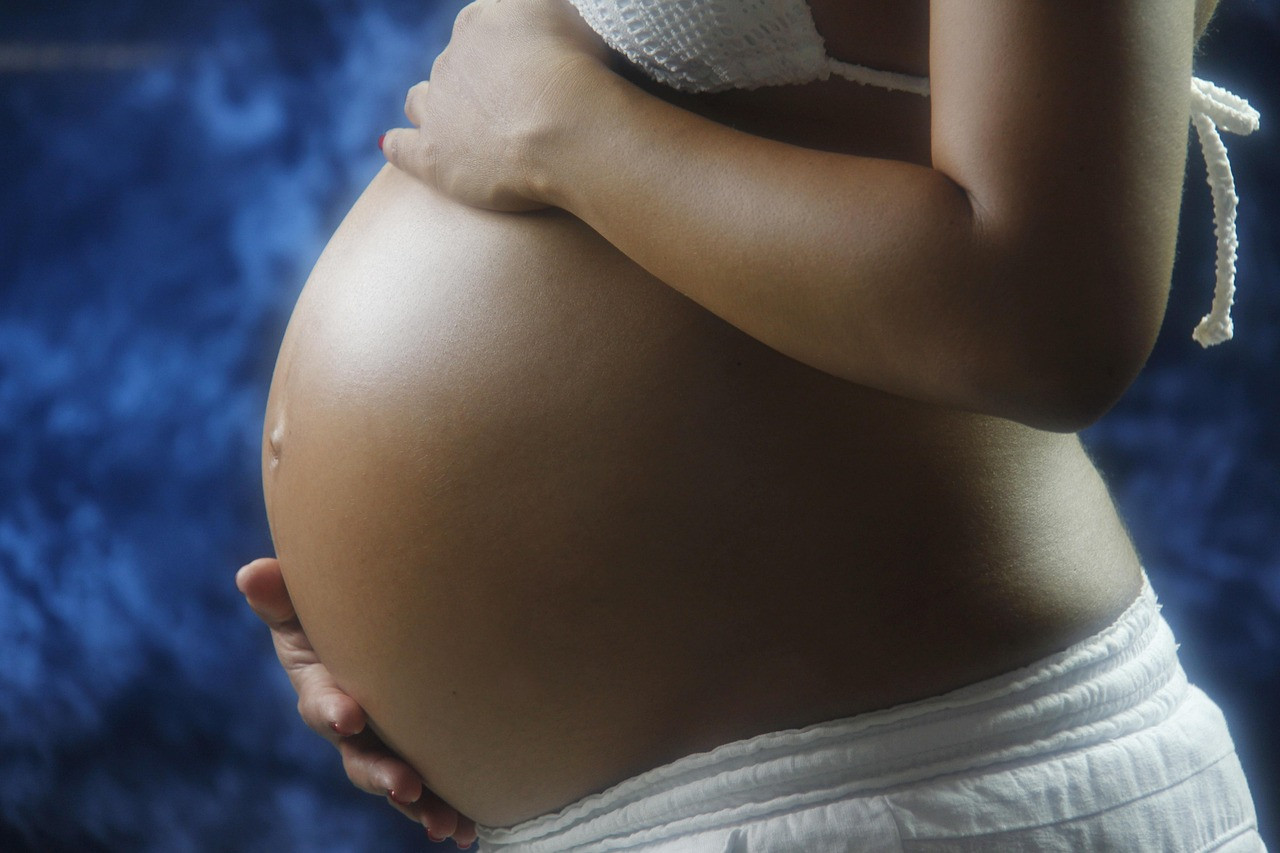
Representative image: DigitalMarketingAgency / Pixabay
An OHSU study of 300-plus pregnancies, published on 2 November 2026, linked maternal stress to lower vitamin C intake and fussier babies at six months.
What Happened
Researchers at Oregon Health & Science University (OHSU) in the United States reported on Monday, 2 November 2026, that pregnant women who felt more stress tended to take in less vitamin C, and that their babies showed more fussiness and distress at about six months of age. The study, published in the journal Developmental Psychology, also found that vitamin C taken as a supplement during pregnancy statistically accounted for part of that link. The authors and the university describe the result as an association that may point to a protective role for the nutrient, not as proof that vitamin C prevents infant distress.
Key Facts
- The study followed more than 300 pregnancies in a prospective cohort, meaning women were enrolled during pregnancy and their babies were followed afterwards.
- During pregnancy, the team measured symptoms of depression, anxiety and perceived stress, and dietitians tracked how much vitamin C each woman got from food and from supplements.
- When the infants were about six months old, caregivers filled in a questionnaire on the baby's behaviour and temperament at home.
- Higher maternal stress went with lower vitamin C intake and with greater infant "negative affect", a temperament trait describing how readily a baby feels and shows negative emotions such as fussiness and distress.
- Supplemental vitamin C, rather than vitamin C from food alone, was the factor that statistically mediated the link between the mother's stress and the baby's negative affect.
- The paper is titled "Prenatal Vitamin C Supplementation Mediates the Association Between Prenatal Distress and Infant Negative Affect". The lead author is Elizabeth Wood, an assistant professor of psychiatry at OHSU, and the senior author is Elinor Sullivan, a professor at the OHSU School of Medicine.
Why It Matters
Stress, anxiety and low mood during pregnancy are common, and much of the public conversation about them centres on the mother's own wellbeing. This study adds a second layer: it suggests that a mother's emotional state and her diet may travel together, and that both may be connected to how her baby behaves in the first months of life. For women trying to balance work, family and a pregnancy, the finding is a reminder that emotional health and nutrition during those months are linked rather than separate concerns.
The researchers say infant negative affect matters because, in their framing, a higher level in early life is one of the signs linked to a greater later risk of mental health problems. Sullivan said the findings suggest vitamin C supplementation may offer protective benefits for the environment in the womb and for how the baby's brain develops. The university's own summary is careful to say that supplementation "could potentially" lower the risk, wording that reflects the study's design.
That design is the most important limit. The study observed women and babies; it did not randomly give some women vitamin C and others a dummy pill. A statistical mediation result shows that the numbers fit a pathway running from stress, through lower supplement use, to infant temperament, but other differences between women who do and do not take supplements could also play a part. The outcome measured at six months was a caregiver's report of temperament, not a diagnosed condition. A press headline describing a supplement to "boost" a baby's brain goes further than the study itself claims.
Peepals timeline: The paper appeared in Developmental Psychology on Monday, 2 November 2026, with a news release from OHSU the same day. Reports of the findings reached Indian health and news websites by Thursday, 5 November, and a United States health news service carried the study on Friday, 6 November, four days after publication.
| | Point | What the study reports | |
|---|---|
| | Who was studied | More than 300 pregnancies in a prospective cohort | |
| | What was measured in pregnancy | Depression, anxiety, perceived stress, and vitamin C from food and supplements | |
| | What was measured in babies | Negative affect (fussiness, distress) at about 6 months, reported by caregivers | |
| | Main link | Higher stress, lower vitamin C intake, more infant negative affect | |
| | Type of evidence | Observational association with statistical mediation, not a trial | |
Impact
Short-term: The study gives doctors, dietitians and expectant parents a new, dated piece of evidence to discuss, but it does not change any official guidance on vitamin C in pregnancy. Decisions about supplements during pregnancy remain a matter for each woman and her doctor.
Long-term: If the link holds up in randomised trials, where some women receive the supplement and others do not, prenatal care could pay closer attention to diet among women reporting high stress. Until then, the result is a lead for further research rather than a settled finding.
Who is affected: Pregnant women, especially those dealing with stress, anxiety or low mood; their families; and the obstetricians, mental health professionals and nutrition counsellors who support them.
Key Takeaway
An OHSU study of more than 300 pregnancies, published on 2 November 2026, linked maternal stress to lower vitamin C intake and fussier babies at six months, with supplemental vitamin C appearing to account for part of the link, though the evidence is observational.
Questions and Answers
What did the OHSU vitamin C pregnancy study find?
In more than 300 pregnancies, women with higher stress during pregnancy tended to have lower vitamin C intake, and their babies showed more negative affect, meaning fussiness and distress, at about six months. Supplemental vitamin C statistically mediated that link, according to the paper published in Developmental Psychology on 2 November 2026.
Does this prove that vitamin C supplements protect babies?
No. The study was observational, so it shows an association and a statistical pattern, not cause and effect. The university says supplementation "could potentially" lower the risk, and only a randomised trial could test that directly.
What is infant negative affect?
It is a temperament trait describing how readily a baby feels and shows negative emotions, such as fussiness and distress. In this study it was measured by caregivers through a questionnaire when the infants were about six months old.
Should pregnant women start taking vitamin C because of this study?
The study does not give medical advice and does not change official guidance. Any supplement during pregnancy should be discussed with a doctor, who can weigh a woman's diet, health and existing prenatal vitamins.
Disclaimer: Prepared by the Peepals newsroom from publicly available sources with AI assistance. Information is accurate to the best of our knowledge at the time of publication and may change. Images may be representative. Not professional advice. Report an error via our contact page.
By Vikram Joshi, Life Balance CorrespondentCovers Life Balance and more for Peepals Shakti. All stories by Vikram Joshi
Get the day's stories in your inbox
Peepals Weekly: the week decoded, free. One email a week, unsubscribe in one click.
Vikram Joshi is a pen name of the Peepals Global Editorial Team, which researches, fact-checks and publishes every story. The portrait is an illustration.