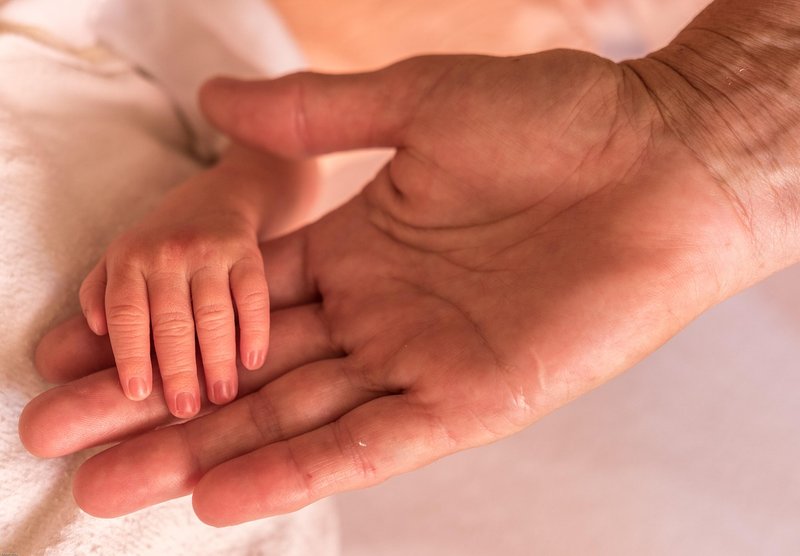

UN Women at COP31: 1.5 billion women, girls live in climate hotspots
 By Vikram JoshiLife Balance Correspondent, Peepals Shakti
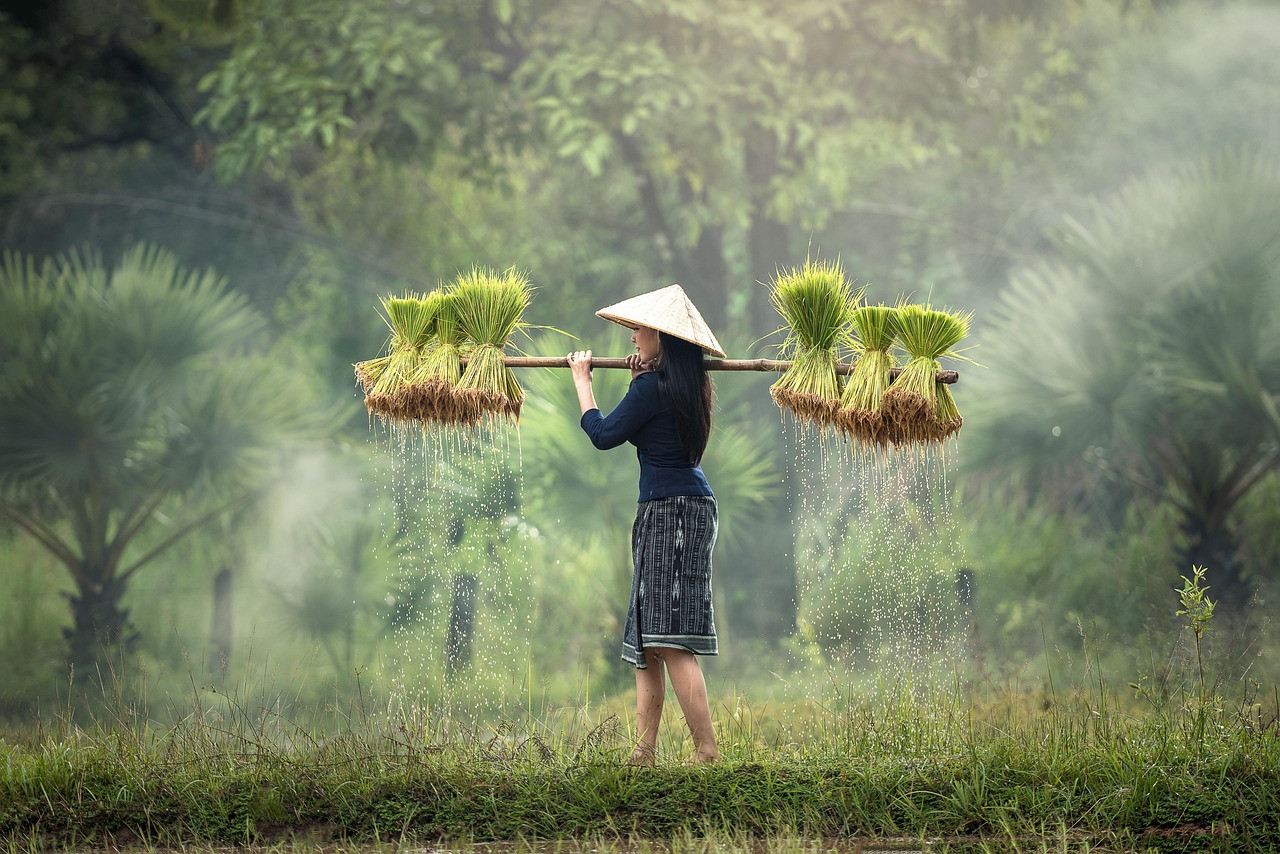
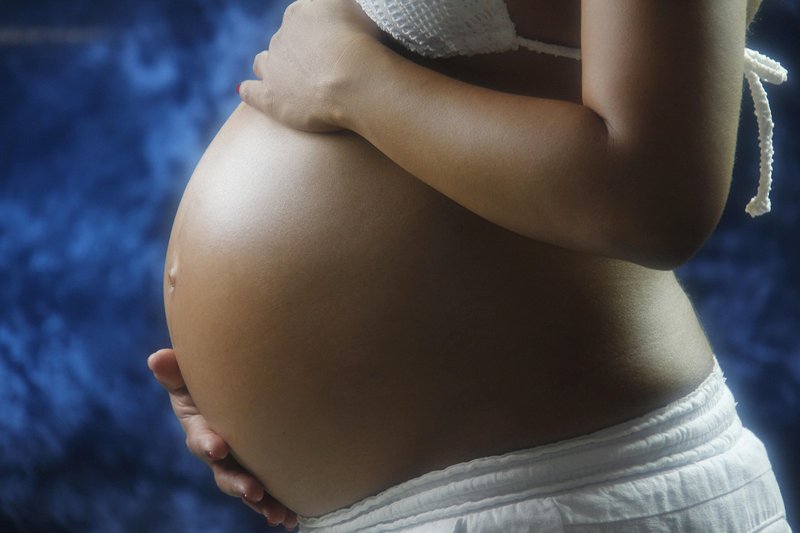
Representative image: sasint / Pixabay
UN Women said on 10 November 2026 at COP31 that 1.5 billion women and girls live in climate hotspots and up to 141 million could fall into extreme poverty.
What Happened
More than one in three women and girls in the world, about 1.5 billion people, live in "climate hotspots" where hazards such as cyclones and droughts overlap with insecure work and deep gender inequality, UN Women said on Tuesday, 10 November 2026. The agency released the findings at the COP31 climate conference in Antalya, Türkiye, with its flagship report Progress of the World's Women 2026: Gender Equality in the Age of Climate Crisis and an accompanying fact sheet. Under a worst-case scenario, it estimates, climate change could push up to 141 million more women and girls into extreme poverty by the middle of the century.
Key Facts
- About 1.5 billion women and girls, more than one in three, live in climate hotspots, according to UN Women.
- In a worst-case scenario, up to 141 million more women and girls could be pushed into extreme poverty by mid-century.
- 326 million women and girls still lack access to electricity.
- Across 14 countries, prolonged extreme drought was linked to 21% higher odds of sexual violence against adolescent girls and young women.
- 73% of countries identify gender-specific climate risks in their plans, but only about a third take a comprehensive approach.
- UN Women Executive Director Sima Bahous said targeted investment could unlock up to 68 million new green jobs for women by 2035.
- The agency urged governments to expand gender-responsive climate finance and to fully fund and carry out the Belém Gender Action Plan.
Why It Matters
Climate change is often discussed in terms of temperatures and emissions, but UN Women's findings put the focus on people's lives. The hotspots it describes are places where climate hazards meet insecure jobs and unequal rights, so a drought or cyclone does more damage to women who already have less income, land and say in decisions. The report's central argument is that the people who did least to cause the crisis are being hit hardest.
The figures on violence are among the most disturbing. A link between long droughts and higher odds of sexual violence against young women, across 14 countries, shows how environmental stress can spill into safety at home and in communities. UN Women has also warned that climate change threatens recent progress in reducing child marriage.
For women balancing paid work, care and household duties, the electricity figure is telling. With 326 million women and girls still lacking electricity, access to power is as much about time, work and wellbeing as it is about emissions.
There is also an opportunity in the findings. The estimate of up to 68 million green jobs for women by 2035 points to work in renewable energy, sustainable farming and climate-resilient industries, if training and finance reach women. For India, with large rural populations exposed to heat, floods and drought, the findings bear directly on how climate and welfare schemes are designed.
Peepals calculation: If 73% of countries name gender-specific climate risks but only about a third take a comprehensive approach, then roughly 40 of every 100 countries identify the risks without a full plan to address them (73 − 33 = 40). The 141 million women and girls who could be pushed into extreme poverty equal a little under one in ten of the 1.5 billion living in hotspots (141 ÷ 1,500 ≈ 0.094). Our calculation from the reported figures.
| Finding | Figure |
|---|---|
| Women and girls in climate hotspots | About 1.5 billion |
| Possible extra women and girls in extreme poverty by mid-century (worst case) | Up to 141 million |
| Women and girls without electricity | 326 million |
| Higher odds of sexual violence in prolonged drought (14 countries) | 21% |
| Potential new green jobs for women by 2035 | Up to 68 million |
Impact
Short-term: The findings add pressure on COP31 negotiators to put gender into climate finance and adaptation decisions in Antalya.
Long-term: If governments act on the recommendations, climate plans could do more to protect women's incomes, safety and health, and to open new green jobs to them.
Who is affected: Women and girls in climate-exposed regions, especially in rural and informal work; governments drafting climate plans; and climate finance providers.
What to watch next: The outcome of the COP31 talks in Antalya, which run until 20 November 2026.
Key Takeaway
UN Women says 1.5 billion women and girls live in climate hotspots and up to 141 million more could fall into extreme poverty by mid-century, unless climate plans and finance put women at the centre.
Questions and Answers
How many women live in climate hotspots?
About 1.5 billion women and girls, more than one in three worldwide, according to UN Women's findings released on 10 November 2026 at COP31.
How could climate change affect women's poverty?
UN Women estimates that in a worst-case scenario, up to 141 million more women and girls could be pushed into extreme poverty by mid-century.
What is UN Women asking governments to do?
It wants more gender-responsive climate finance, women's rights built into climate policy, and full funding and implementation of the Belém Gender Action Plan.
Are there any opportunities for women in the climate transition?
Yes. UN Women's head, Sima Bahous, said targeted investment could create up to 68 million new green jobs for women by 2035.
Disclaimer: Prepared by the Peepals newsroom from publicly available sources with AI assistance. Information is accurate to the best of our knowledge at the time of publication and may change. Images may be representative. Not professional advice. Report an error via our contact page.
By Vikram Joshi, Life Balance CorrespondentCovers Life Balance and more for Peepals Shakti. All stories by Vikram Joshi
Jade's Law Northern Ireland: consultation on stripping killers' parental rights
Idashisha Nongrang: Meghalaya's first woman DGP exits November 19, no successor yet
Get the day's stories in your inbox
Peepals Weekly: the week decoded, free. One email a week, unsubscribe in one click.
Vikram Joshi is a pen name of the Peepals Global Editorial Team, which researches, fact-checks and publishes every story. The portrait is an illustration.