
ICMR SAMPADA survey: 55.9% of Indian women aged 15-49 are anaemic
 By Vikram JoshiLife Balance Correspondent, Peepals Shakti
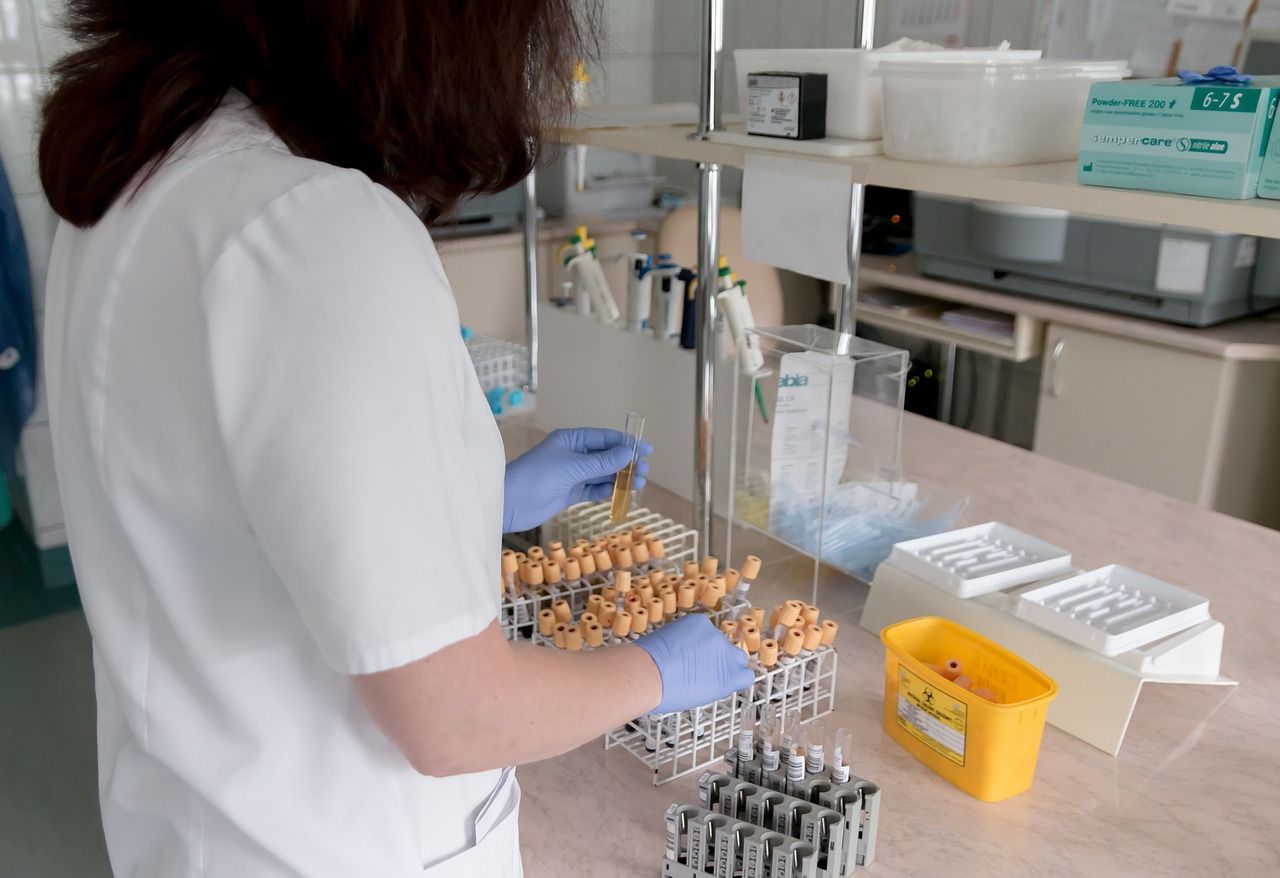
Representative image: jarmoluk / Pixabay
ICMR-NIN's SAMPADA survey, released on 23 November, finds 55.9% of women aged 15-49 anaemic and 57.4% low in vitamin B12; iron explains about half.
SAMPADA survey: what happened
The SAMPADA survey of the Indian Council of Medical Research's National Institute of Nutrition (ICMR-NIN), released on Monday, 23 November 2026, found that 55.9% of non-pregnant, non-lactating Indian women aged 15 to 49 are anaemic. Anaemia means the blood has too little haemoglobin, the protein that carries oxygen, and it commonly causes tiredness, breathlessness and poor concentration. The survey also found anaemia in 46.3% of adolescent girls aged 10 to 19, and vitamin B12 deficiency in 57.4% of women of reproductive age.
SAMPADA survey: key facts
- Anaemia among women aged 15-49: 55.9%, against 57% in the fifth National Family Health Survey (NFHS-5).
- Severity: 26.1% of women were mildly anaemic, 26.9% moderately and 2.9% severely.
- Adolescent girls aged 10-19: 46.3% anaemic.
- Vitamin B12 deficiency: 65.4% of adolescent girls, 57.4% of women of reproductive age and 63.1% of pregnant women.
- Cause: iron deficiency explains about half of the anaemia in women, girls and young children; infections, inherited blood disorders and inflammation account for part of the rest.
- Scale: more than 2 lakh people in over 81,000 households across 183 districts in 35 states and Union Territories, with fieldwork from 2023 to 2025.
- SAMPADA tested venous blood while NFHS-5 used fingertip samples, so the two figures are not directly comparable.
SAMPADA survey: why it matters
Anaemia is one of the most common health problems faced by Indian women, and it touches almost every part of daily life. A woman with moderate anaemia may feel constantly tired, find it harder to work or study, and be more vulnerable during pregnancy and childbirth. Because the symptoms are slow and familiar, many women treat them as normal and do not seek a test.
The SAMPADA figures matter because the survey is new, large and based on blood samples. Its full name is the Survey for Assessment of Markers of Population Health, Activity, Diet and Anthropometry. For women, the headline is mixed. The share who are anaemic is slightly below the NFHS-5 figure, though differences in testing method limit a direct comparison. But more than half of women of reproductive age are still affected, and close to three in ten have moderate or severe anaemia.
The finding that iron deficiency explains only about half of the problem is important for how anaemia is tackled. Much public effort has focused on iron supplements. If infections, inflammation and inherited blood disorders such as thalassaemia drive much of the rest, iron alone will not close the gap, and testing to find the cause becomes as important as supplements.
The vitamin B12 numbers are a second warning. A lack of B12 is another cause of anaemia. With well over half of women and nearly two-thirds of pregnant women deficient, B12 is now as large a concern as iron.
Peepals calculation: The fall from 57% in NFHS-5 to 55.9% in SAMPADA is 1.1 percentage points, or about a 2% relative drop (1.1 ÷ 57 ≈ 0.019). The three severity groups add up to 55.9% (26.1 + 26.9 + 2.9), matching the total. Moderate and severe anaemia together come to 29.8% (26.9 + 2.9), close to three in ten women. Our calculation from the reported figures.
| Group | Anaemia | Vitamin B12 deficiency |
|---|---|---|
| Women aged 15-49 | 55.9% | 57.4% |
| Adolescent girls aged 10-19 | 46.3% | 65.4% |
| Pregnant women | not given | 63.1% |
SAMPADA survey: impact
Short-term: The new figures give health departments and doctors an updated picture of anaemia and B12 deficiency among women, district by district.
Long-term: The finding that iron explains only about half of anaemia could push programmes towards testing for causes and tackling B12 deficiency, not only handing out iron tablets.
Who is affected: Women of reproductive age, adolescent girls and pregnant women across India, and the health workers and programmes that serve them.
SAMPADA survey: key takeaway
Women who often feel tired or breathless should ask for a simple haemoglobin test, and if they are anaemic, ask the doctor to find the cause, since iron deficiency explains only about half of cases.
SAMPADA survey: questions and answers
What is the SAMPADA survey?
It is a national survey by ICMR's National Institute of Nutrition that measured nutrition and health markers, including blood tests, among more than 2 lakh people in 183 districts between 2023 and 2025.
How many Indian women are anaemic, according to SAMPADA?
It found 55.9% of non-pregnant, non-lactating women aged 15 to 49 are anaemic, slightly lower than the 57% found in NFHS-5.
Is iron deficiency the only cause of anaemia in women?
No. The survey found iron deficiency explains about half of anaemia; infections, inherited blood disorders and inflammation also contribute.
Why does vitamin B12 matter for women?
A lack of B12 is another cause of anaemia. The survey found 57.4% of women of reproductive age and 63.1% of pregnant women were deficient.
Disclaimer: Prepared by the Peepals newsroom from publicly available sources with AI assistance. Information is accurate to the best of our knowledge at the time of publication and may change. Images may be representative. Not professional advice. Report an error via our contact page.
By Vikram Joshi, Life Balance CorrespondentCovers Life Balance and more for Peepals Shakti. All stories by Vikram Joshi
Mathematician Neena Gupta on TIME100 Next India: her Zariski breakthrough
Supreme Court: wife can keep land given for her maintenance during case
Your week ahead, every Sunday. Free.
Exam and result dates, IPOs opening, scheme deadlines, government holidays and the RBI decision for the next 7 days, plus the week's top stories. One email a week, unsubscribe in one click.
Vikram Joshi is a pen name of the Peepals Global Editorial Team, which researches, fact-checks and publishes every story. The portrait is an illustration.
Responsible for this story: the Peepals Global Editorial Team. How we report